Telehandler Attachment Safety: Best Practices to Avoid Incidents
Telehandlers are only as safe as the attachments they use. Whether it’s forks, buckets, jibs, or work platforms—every attachment changes how the machine handles, lifts, and risks.
Have you ever seen a load shift unexpectedly, or a machine tip from an unbalanced jib? Most incidents involving telehandlers stem not from the base machine—but from improper attachment use.
Here’s how to make sure your attachments are helping, not hurting, your site safety.
Why Attachment Safety Matters
Each attachment alters the load centre, visibility, and operating behaviour of the machine. Failure to account for this can result in:
- Load instability and tipping
- Operator error due to unfamiliar control response
- Structural wear and mechanical failure
- Fines or shutdowns due to non-compliance
Understanding your equipment’s limits—and how to stay within them—is the foundation of safe operation.
“How Do You Use Telehandler Attachments Safely?”
Safe telehandler attachment use requires:
- Matching load charts to the specific tool
- Regular inspections for wear or faults
- Operator training on each attachment type
- Securing all couplings and pins
- Never exceeding rated loads or reach angles
Pre-Use Attachment Safety Checklist
- Inspect All Couplings and Pins
- Look for signs of wear, cracks, or improper fitting
- Ensure locking pins and safety clips are in place
- Look for signs of wear, cracks, or improper fitting
- Check Load Charts and Lifting Capacity
- Use manufacturer-supplied charts for each attachment
- Never guess—especially with jibs or elevated work baskets
- Use manufacturer-supplied charts for each attachment
- Review Operator Familiarity
- Not all telehandler attachments handle the same
- Ensure verification of competency (VOC) includes each tool type
- Not all telehandler attachments handle the same
- Confirm Attachment Suitability
- Use only approved and rated attachments
- Homemade or modified tools may breach safety standards
- Use only approved and rated attachments
- Check for Visible Damage
- Bent forks, cracked buckets, or dented platforms compromise safety
- Report and replace before use
- Bent forks, cracked buckets, or dented platforms compromise safety
Specific Safety Tips by Attachment Type
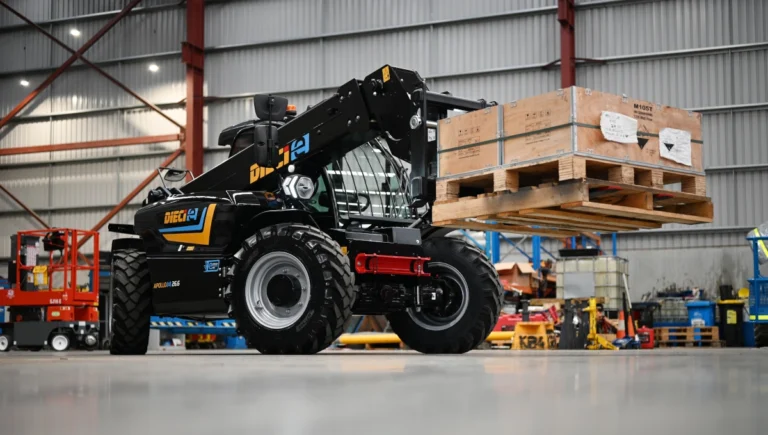
✅ Pallet Forks
- Keep loads centred and secured
- Avoid sudden movement or tilt at height
✅ Buckets
- Do not overload with wet or heavy material
- Secure hydraulic connections tightly
✅ Jibs and Hooks
- Use certified lifting slings only
- Monitor boom extension carefully to avoid tip risk
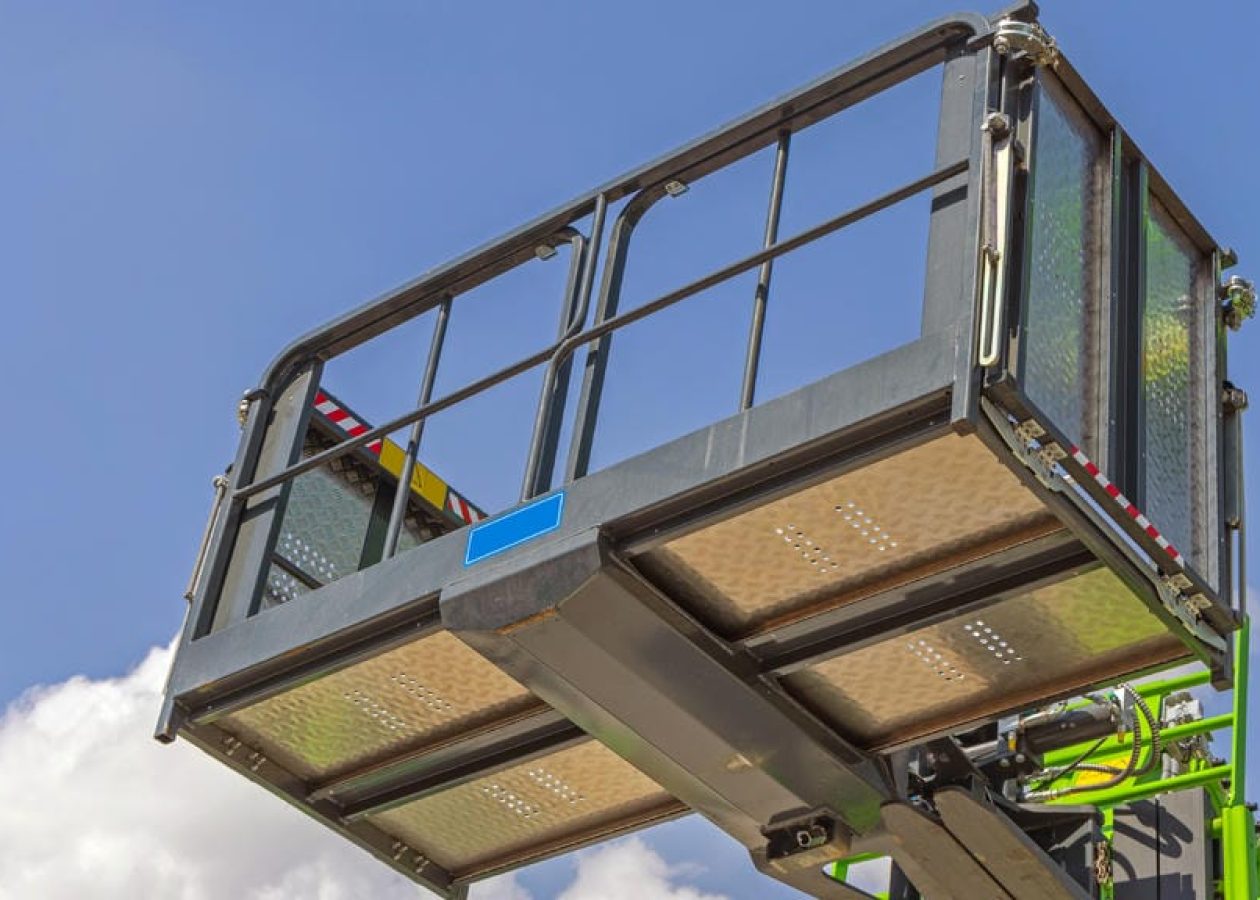
✅ Work Platforms
- Harnesses and anchor points are mandatory
- Boom must stay within rated angles and wind speed
✅ Concrete Kibblers
- Ensure discharge chute is clear before tilting
- Watch for material imbalance at height
Common Mistakes to Avoid
- Using an attachment not rated for your telehandler model
- Failing to recalibrate load charts when switching tools
- Skipping daily pre-start checks on attachments
- Assuming all attachments are cross-compatible
- Ignoring weight distribution or boom angle impact
Training and Compliance
Safe attachment use requires more than a license. Key training points should include:
- Load handling principles (centre of gravity, pivot points)
- Hydraulics and auxiliary controls
- Emergency procedures for tip-over or detachment
Sites may also require machine-specific inductions or refresher VOCs when new attachments are introduced.
How Dieci Supports Attachment Safety
Dieci Australia ensures all attachments:
- Are fully rated and engineered to match their machines
- Come with updated load charts and documentation
- Can be fitted with quick-hitch systems for secure coupling
- Are supported by nationwide parts and servicing
The Dieci Australia team also assists with operator familiarisation and site compliance.
Final Thoughts: Safety Starts with Smart Setup
What would change if every attachment on your site was checked, certified, and fitted by the book—every time?
Telehandlers offer unmatched versatility, but only when used safely. With the right attachments, training, and servicing, you can keep your team productive without compromising safety.
Need help with telehandler attachment safety or compliance? Contact Dieci Australia for expert support, tool guidance, and servicing that puts safety first.