Telehandlers are powerful on their own—but when you match them with the right attachment, they become jobsite MVPs. Whether you’re lifting pallets, scooping materials, or elevating workers, telehandlers can transform into the perfect tool for the task.
Have you ever delayed a project because the equipment wasn’t quite right? With the right attachments, one telehandler can do the job of three machines—saving time, budget, and transport hassles.
Here’s how to make the most of your telehandler with a smart approach to attachments.
Most Common Telehandler Attachments
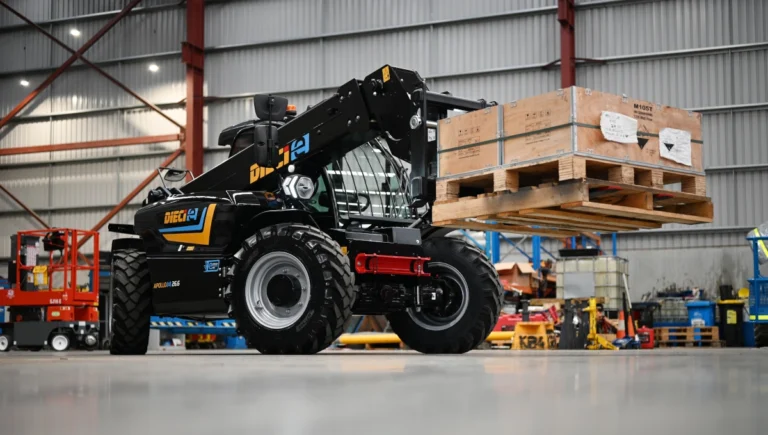
1. Pallet Forks
- Use: Moving palletised goods, construction materials, fencing
- Best for: Construction, warehousing, logistics
2. Buckets
- Use: Moving loose materials like sand, gravel, mulch
- Types: General-purpose, 4-in-1, high-capacity
- Best for: Civil construction, landscaping, waste handling
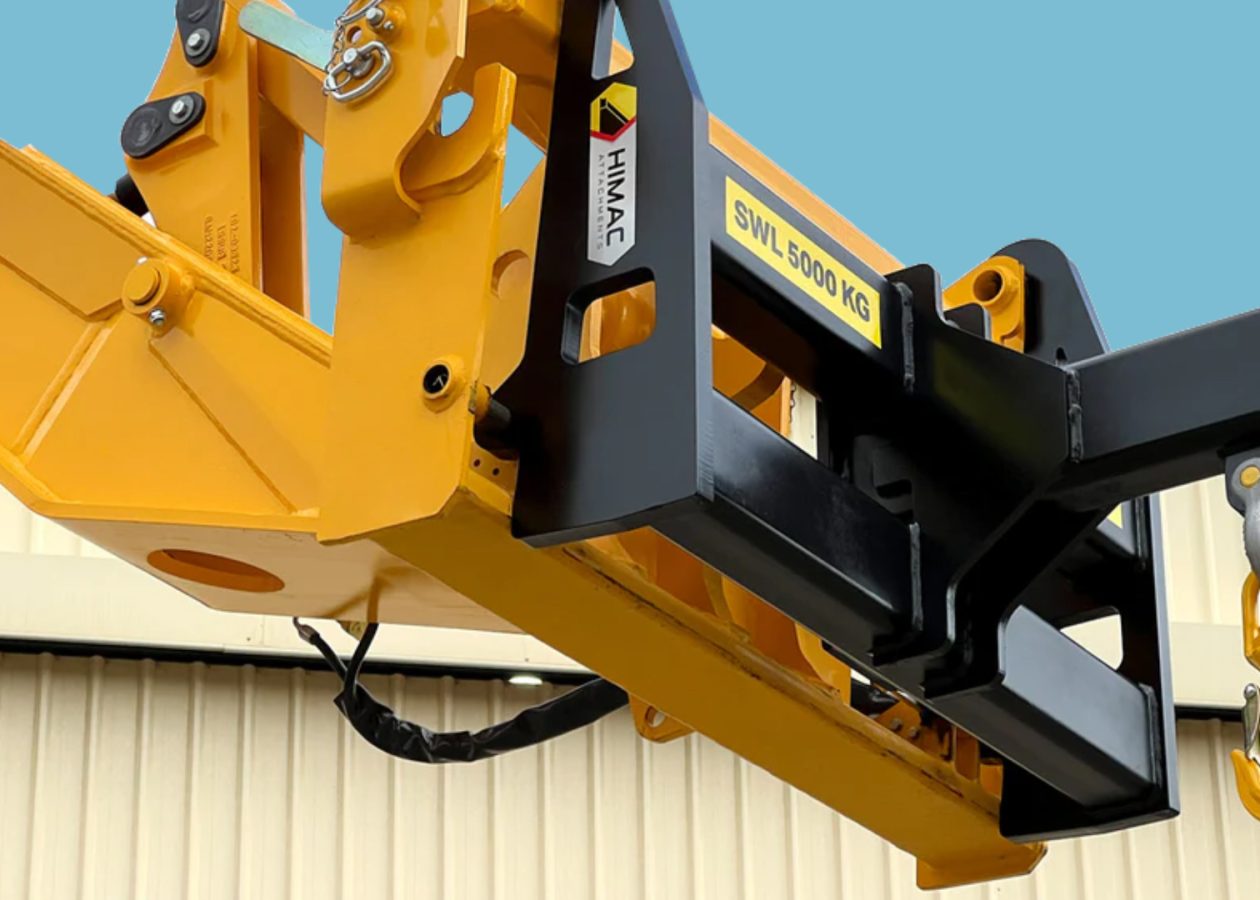
3. Lifting Jibs & Hooks
- Use: Lifting loads via chains or slings
- Best for: Mechanical servicing, equipment installation, modular assembly
4. Work Platforms (Man Baskets)
- Use: Safely elevating workers for maintenance or install work
- Compliance: Requires HRWL in some cases (WP class)
5. Concrete Kibblers
- Use: Pouring concrete in controlled volumes
- Best for: Footings, columns, tight-access pours
6. Sweepers & Brooms
- Use: Site cleanup, especially on finished slabs or roads
7. Pipe & Pole Grapples
- Use: Handling cylindrical items like pipes, logs, or poles
Matching Attachments to Your Workload
It’s not just about owning attachments—it’s about using the right one for the right job. For example:
- Tight urban site? Compact bucket or short-reach jib.
- Open pit mining? Heavy-duty forks and buckets with reinforced edges.
- Multiple daily tasks? Quick-coupler system for fast switching.
Talk to your supplier (like Dieci Australia) about attachments that match your daily requirements.
“What Are the Most Useful Telehandler Attachments?”
Top telehandler attachments include:
- Pallet forks for lifting
- Buckets for moving loose material
- Jibs for vertical lifting
- Work platforms for personnel elevation
Choosing the right attachment boosts safety, efficiency, and jobsite productivity.
Safety and Compliance with Attachments
Using attachments correctly is just as important as owning them. Misuse can:
- Void your warranty
- Breach site safety standards
- Risk tip-over incidents
- Lead to fines for non-compliance
Compliance checklist:
- Updated load charts for each attachment
- Operator training specific to attachment use
- ROPS/FOPS protection for elevated work
- HRWL for work platforms over 11m
Telehandler Attachment Tips
✅ Use Quick-Hitch Systems
Speeds up attachment changes and reduces manual handling risk.
✅ Keep Load Charts in the Cab
Charts must reflect the specific attachment fitted. No guesswork allowed.
✅ Maintain Attachments Regularly
Check for cracks, bent components, worn teeth, and hydraulic leaks.
✅ Train Operators on Each Tool
Different attachments change machine behaviour. Refresher training reduces accidents.
✅ Store Attachments Safely
Store off the ground, clean, and covered. Protect hydraulic fittings from dust and moisture.
Why Choose Dieci for Your Attachment Needs?
Dieci telehandlers are built for versatility, and they offer a wide range of attachments engineered for Australian conditions. Their support includes:
- Advice on pairing the right attachments with your machine
- Quick-attach systems for seamless swaps
- Nationwide parts and servicing for ongoing support
Final Thoughts: Make One Machine Do More
What would change if your telehandler could do five different jobs each day—without switching machines?
Smart use of attachments can turn one telehandler into the most flexible piece of gear on your jobsite. With the right setup, you’ll boost productivity, reduce costs, and streamline your operations.
Need help finding the right telehandler attachments? Talk to Dieci Australia for expert advice, parts, and servicing to help your fleet adapt to every project challenge.