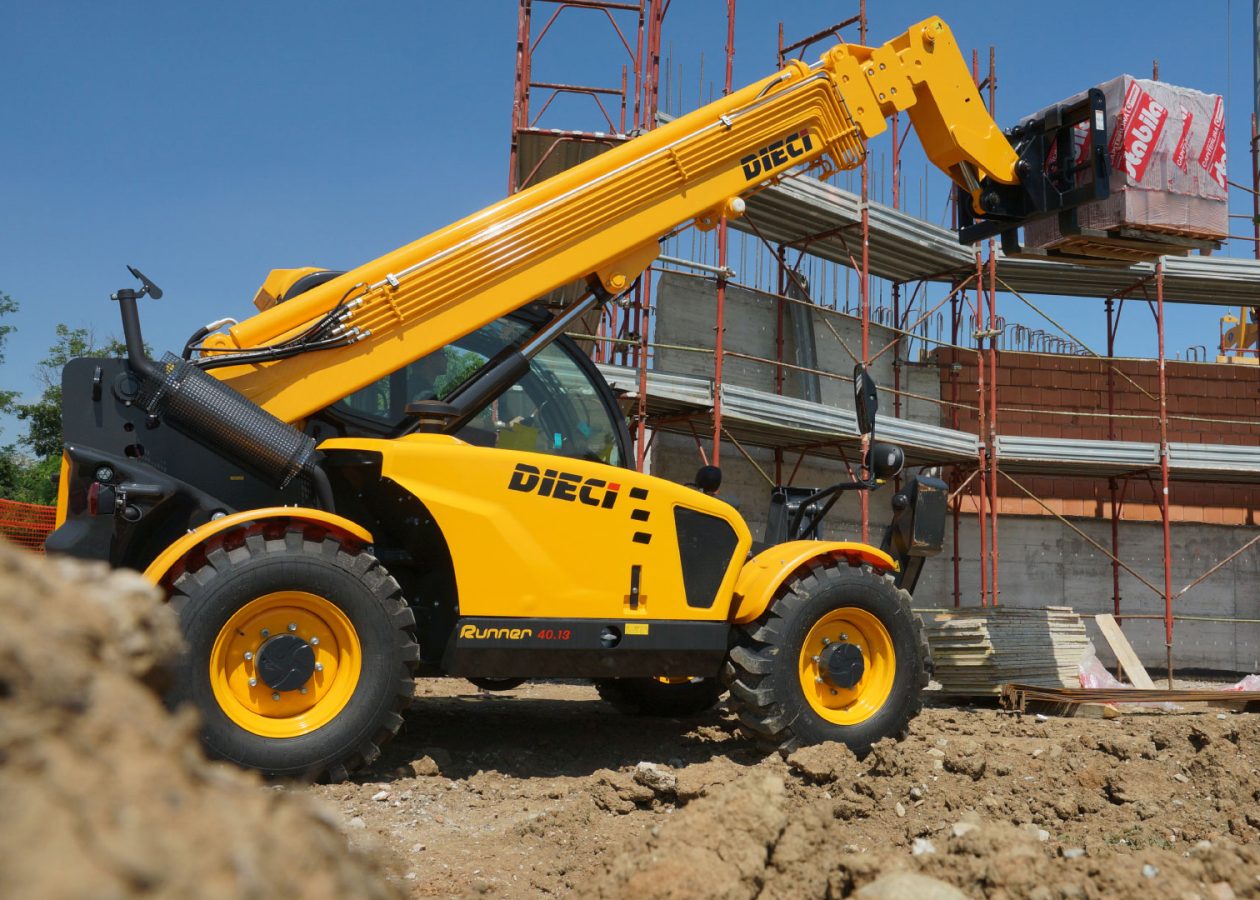
Uneven terrain is one of the leading causes of telehandler incidents across Australia’s worksites. From construction zones to mining projects, failing to respect ground conditions can lead to tipping, load failure, or worse.
Have you ever seen a machine tilt dangerously or lose a load unexpectedly? These close calls are usually avoidable, if you know what to watch for.
This guide breaks down the most common mistakes operators and supervisors make when using telehandlers on sloped or unstable ground and how to prevent them.
“What Are the Biggest Risks of Using Telehandlers on Uneven Terrain?”
The biggest risks include:
- Tipping due to poor load positioning
- Overextending the boom on a slope
- Failing to use stabilisers or engage 4WD
- Underestimating soft or shifting ground
Correct setup and awareness prevent most issues.
1. Ignoring the Boom Angle on a Slope
The Mistake:
Extending the boom while the machine is tilted laterally or longitudinally.
The Risk:
Changes the load’s centre of gravity, increasing tip-over risk.
The Fix:
- Keep the telehandler level before boom operation
- Use stabilisers if equipped
- Consult the load chart for sloped operation (if applicable)
2. Not Engaging 4WD or Differential Lock
The Mistake:
Operating in 2WD on loose or slippery surfaces.
The Risk:
Loss of traction, difficulty braking, or uneven wheel engagement.
The Fix:
- Always use 4WD on dirt, gravel, or slope
- Engage diff lock for additional stability
3. Failing to Inspect Ground Conditions
The Mistake:
Assuming the surface is stable based on visual inspection.
The Risk:
Soft spots, buried debris, or waterlogged zones cause unexpected tilt or sinkage.
The Fix:
- Walk the path before driving
- Mark risky areas or route around them
- Don’t operate near edge of trenches or unstable ground
4. Overloading on a Slope
The Mistake:
Applying the same lift limits on sloped terrain as you would on flat ground.
The Risk:
Load shifts or exceeds capacity when tilted.
The Fix:
- Reduce load weights on slopes
- Consult the manufacturer’s load derating guidance
- Use a spotter to monitor tilt and clearance
5. Using the Wrong Tyres or Tyre Pressure
The Mistake:
Running standard or worn tyres on loose or rocky surfaces.
The Risk:
Poor traction and stability, increased rollover risk.
The Fix:
- Use terrain-rated tyres with deep tread
- Check and adjust tyre pressure daily for site conditions
Bonus Tip: Skipping Pre-Start Checks
Every uneven terrain job requires extra diligence:
- Check brakes, hydraulics, boom locks, and load limiters
- Ensure attachments are rated and secure
- Review the telehandler’s load chart and terrain setting
How Dieci Supports Safer Terrain Operation
Dieci telehandlers are engineered for Australia’s toughest job sites. With features like:
- Advanced 4WD drivetrains
- Load limiters and boom sensors
- Heavy-duty, terrain-rated tyres
- High ground clearance and robust stabilisers
Plus, Dieci Australia offers:
- Pre-hire setup support
- VOC training for uneven terrain
- Parts and servicing for maximum reliability
Final Thoughts: A Slope Isn’t Just a Surface—It’s a Risk
What would change if every telehandler operator on your site treated uneven terrain with the respect it demands?
Telehandlers are safe when they’re used correctly. Avoid these five mistakes, and you turn risk into reliability.
Need help setting up your telehandler for uneven ground? Contact Dieci Australia for terrain-ready models, attachments, and operator support.