Every telehandler can lift, reach, and move loads. But not every telehandler does it with the same durability, safety, and long-term performance.
So what actually separates a high-quality machine from the rest?
This guide breaks down the core features and engineering factors that indicate whether you’re investing in lasting performance — or just a short-term solution.
It Starts with the Build: Materials and Tolerances
Premium telehandlers aren’t just assembled better — they’re designed with tighter engineering tolerances and superior-grade components:
- Steel quality impacts frame strength and resistance to fatigue
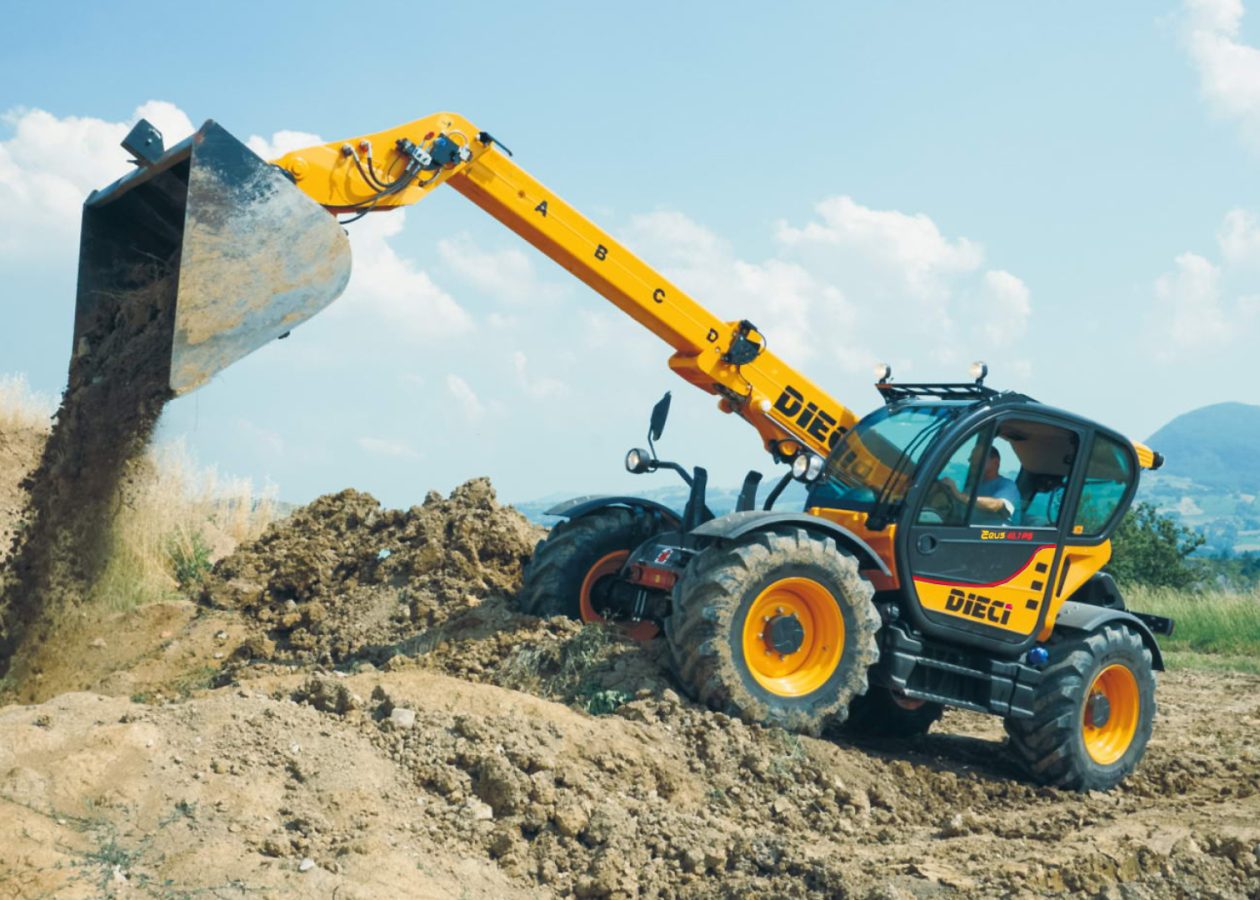
- Boom design affects both weight capacity and wear resistance
- Welding and fabrication standards influence long-term durability
- Component fit and finish reveals attention to detail
You may not see it at first glance. But over 5,000 hours of operation? It shows.
Key Features of a High-Quality Telehandler
Here’s what to look for when evaluating build quality:
- Reinforced chassis and boom sections
- Hydraulic system performance under load
- Reliable transmission and drivetrain
- Precision controls with minimal lag
- Component protection (hoses, wiring, sensors)
- Factory-integrated safety systems, not bolt-on retrofits
High-spec machines make hard work feel smoother — and safer.
Long-Term Reliability: Where Cheap Machines Fall Short
Most buyers don’t think about the machine’s 4th or 5th year. But that’s where quality really matters:
- Do parts last without constant adjustment or replacement?
- Can the machine still meet spec under wear?
- Are there signs of fatigue in welds, joints, pins, or bushings?
Low-grade machines often cost more over time in breakdowns, downtime and accelerated wear.
Engineering Backed by Field Data
The best manufacturers invest in R&D, testing their machines under real-world conditions:
- Climate simulation
- Stress testing
- Lifecycle trials
- End-user feedback loops
This translates into design improvements that matter on site: better sealing, smoother controls, smarter systems.
How Dieci Measures Up
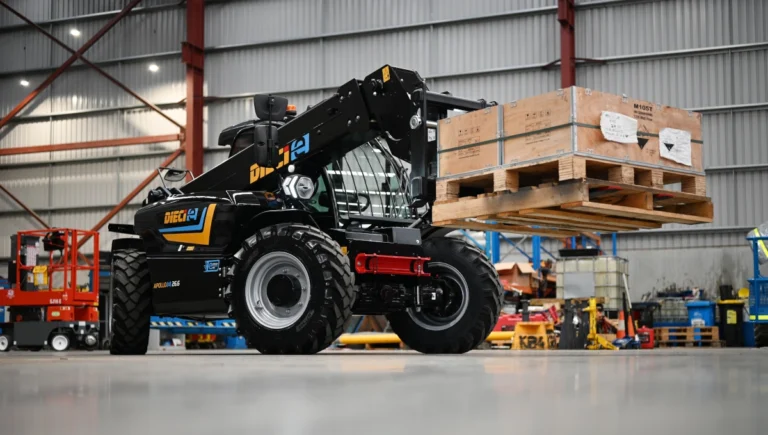
Dieci telehandlers are engineered in Europe to deliver top-tier performance in Australian conditions:
- High-grade boom materials and reinforced chassis
- Load-sensing hydraulics for precision control
- Advanced stability and safety integration
- Designed for long service intervals and durability
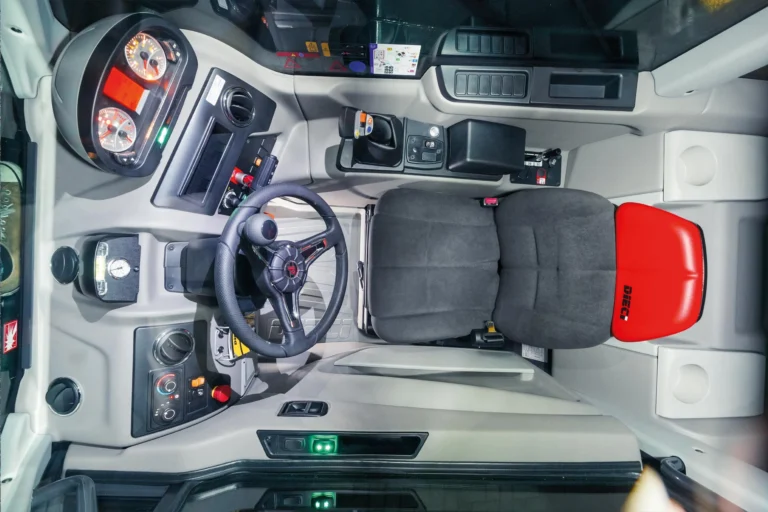
From the operator’s seat to the service bay, you can feel the difference.
Want to Compare Build Quality Side-by-Side?
Not all machines are built to the same spec. If you want a clear comparison, we can walk you through the key differences that affect real-world performance and long-term cost.
- Talk to our team about your site needs
- Find your nearest authorised Dieci agent
- Download the Telehandler Buyer’s Guide
Social caption:
Some telehandlers are built to last. Others just look the part. Learn what really defines high-quality engineering — and how to spot it before you buy.