As project demands grow and job sites get tighter, rotating telehandlers (also known as roto telehandlers) are becoming the secret weapon for many site managers. They combine the lift of a telehandler with the flexibility of a crane and the precision of an EWP.
Have you ever faced a job where you needed to reposition your telehandler five times just to get one lift done? That’s exactly where a rotating model shines.
Let’s explore when to choose a rotating telehandler, what benefits it brings, and how it compares to traditional machines.
What Is a Rotating Telehandler?
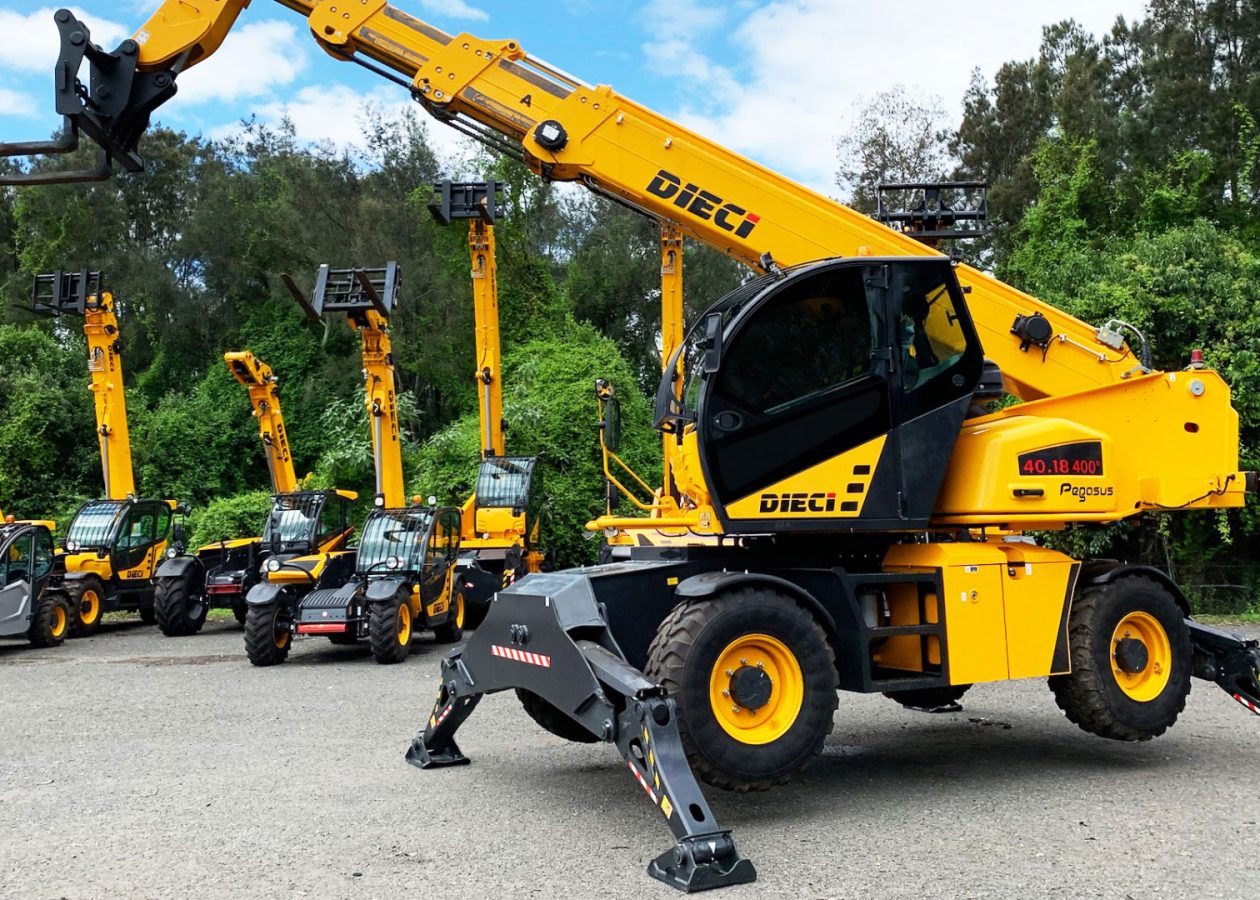
A rotating telehandler features a turret-mounted boom that can rotate 360° horizontally. This allows it to:
- Lift and place loads without repositioning the base
- Work in confined spaces or complex jobsites
- Reduce the need for multiple machines (like cranes or EWPs)
“Why Use a Rotating Telehandler?”
Rotating telehandlers save time and space on tight sites. They rotate 360°, eliminating the need to move the machine between lifts. They’re ideal when space is limited, lifts are complex, or multiple attachment types are needed.
Top Use Cases for Rotating Telehandlers
1. Urban Construction Projects
- Sites with restricted access or narrow laneways
- Lifting materials to rooftops or internal courtyards without moving the base
2. Infrastructure and Rail Projects
- Ideal for station builds, bridges, or tunnels
- Handles heavy loads from a single stationary point
3. Mining and Shutdown Work
- Perfect for maintenance lifts in tight, remote locations
- Reduces time spent manoeuvring bulky equipment
4. Industrial Warehousing & Modular Construction
- Lifting modular units or steel beams into place
- Combines the reach of a crane with faster setup
Key Benefits Over Traditional Telehandlers
| Feature | Traditional Telehandler | Rotating Telehandler |
| Boom Rotation | Fixed | 360° turret rotation |
| Positioning | Needs repositioning | Stationary multi-directional |
| Attachments | Limited use | Supports EWP baskets, jibs |
| Setup Time | Moderate | Fast for complex lifts |
| Space Required | Larger turning radius | Compact base, full rotation |
Attachments That Maximise Roto Value
- Man baskets – Work at height without an EWP
- Winch hooks – Lift and lower loads like a crane
- Concrete skips – Controlled pour at height
- Forks and jibs – For palletised loads or extended reach
These machines excel when paired with the right attachments—making them multi-role workhorses.
Common Myths About Rotating Telehandlers
- “They’re too expensive.” → Cost is offset by replacing 2–3 machines.
- “Operators need special licences.” → Training and VOCs cover most site needs.
- “They’re hard to maintain.” → With proper servicing, they’re no more complex than standard units.
How Dieci Supports Roto Performance
Dieci Australia offers a premium range of rotating telehandlers with:
- Tier 1-compliant safety systems
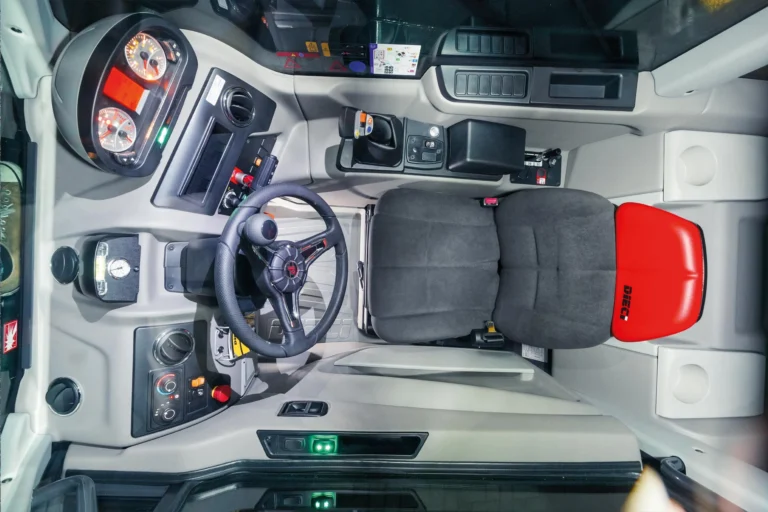
- 360° visibility cabs with advanced controls
- Full attachment compatibility and quick hitching
- Nationwide servicing and operator familiarisation
Models like the Pegasus Series are ideal for complex builds and tight sites.
Final Thoughts: When Flexibility Meets Power
What would change if your lifting solution could rotate, extend, and switch tools—all from one stationary base?
Rotating telehandlers aren’t just a trend—they’re a smarter solution for the evolving jobsite. For supervisors looking to reduce costs, improve lift safety, and work smarter, these machines deliver.
Considering a rotating telehandler for your next project? Chat with Dieci Australia about models, applications, and support tailored to your jobsite.