Telehandlers in Construction & Infrastructure: Roles, Benefits & Key Stats
From suburban housing developments to major infrastructure projects, telehandlers are fast becoming one of the most valuable machines on Australian worksites. Why? Because they do more than lift—they adapt.
Have you ever needed to shift loads at height, deliver materials to uneven terrain, or support elevated work platforms—often all on the same job? A well-equipped telehandler handles it all.
This article explores the growing role of telehandlers across Australia’s construction and infrastructure sectors, and how they deliver real productivity gains.
What Makes Telehandlers Ideal for Construction?
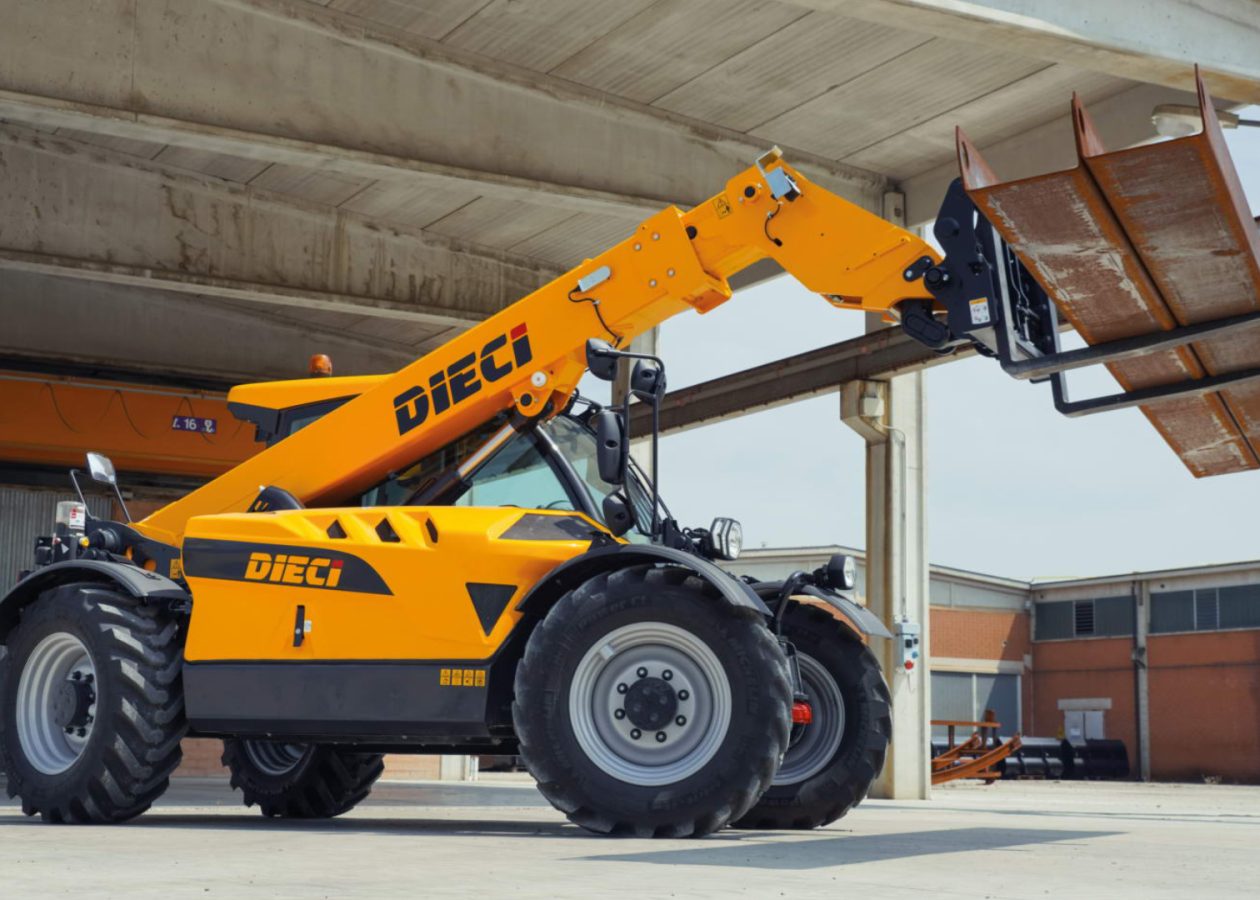
Telehandlers combine the reach of a crane with the agility of a forklift. This makes them especially valuable for: – materials handling on active job sites, multi-level lifting where forklifts can’t reach, and supporting scaffolding, formwork, and roofing crews.
They also reduce the need for multiple pieces of equipment—streamlining workflows, lowering costs, and simplifying logistics.
“Why Are Telehandlers Used in Construction Projects?”
Telehandlers offer reach, versatility, and load-handling power, making them ideal for moving materials, supporting elevated work, and accessing hard-to-reach spots on complex construction sites.
They reduce equipment needs and improve jobsite efficiency.
Key Applications on Construction Sites
- Framing and Structural Work
- Lifting steel beams, timber trusses, and framing materials
- Operating in tandem with formwork and scaffolding crews
- Cladding and Roofing
- Placing panels and roofing sheets with boom attachments
- Reducing manual handling at heights
- Material Transport and Staging
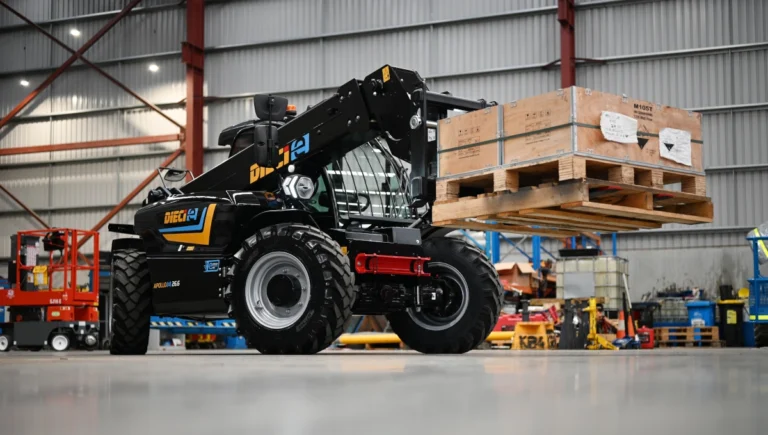
- Moving palletised loads across uneven ground
- Delivering materials to multi-storey levels
- Work Platforms and Elevated Access
- Attaching man baskets for safe personnel lifting
- Eliminating the need for separate EWP hire
- Demolition and Site Cleanup
- Fitted with buckets or grabbers to manage waste or debris
- Especially useful in tight-access demolition jobs
Keywords: heavy lifting equipment, materials handling, telehandler parts and servicing
Why They’re Gaining Ground in Infrastructure Projects
Large-scale infrastructure sites—such as rail, roads, airports, and energy installations—demand machines that are reliable across long shifts, transportable between remote locations, and adaptable to changing site conditions.
Telehandlers meet these demands with boom reach of up to 25m for high-reach tasks, quick attachment swaps for various job types, and joystick-controlled precision for confined spaces.
And because many models comply with mine-spec and Tier 1 construction standards, they’re easy to induct onto major projects.
Telehandler Stats Worth Knowing
- Average lift capacity: 2.5 to 6 tonnes (Dieci models go higher)
- Typical boom reach: 6m to 25m
- Attachment swap time: Under 5 minutes with quick-hitch
- Footprint savings: Replaces 2–3 machines on average
How Dieci Supports the Construction Sector
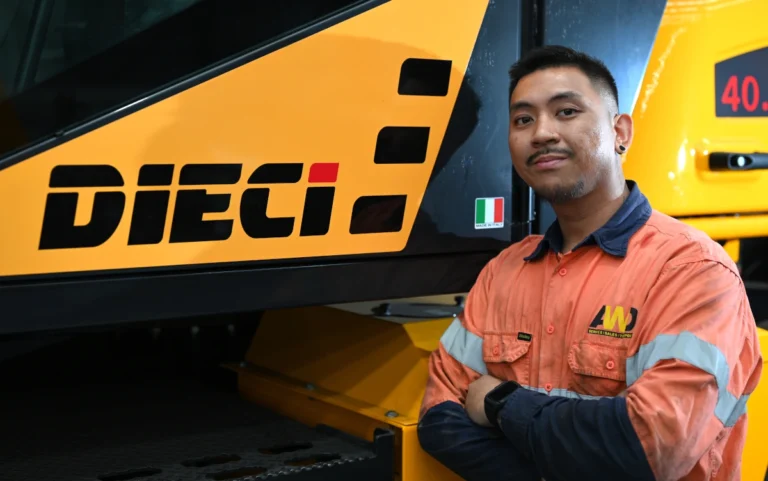
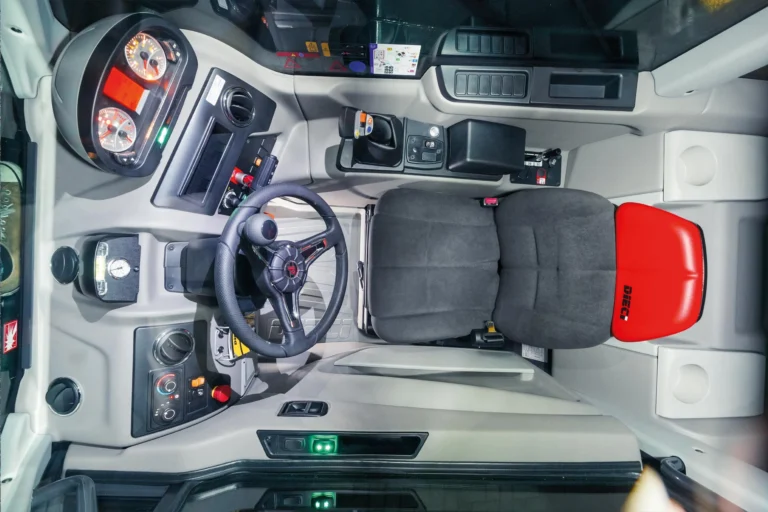
Dieci telehandlers are purpose-built for Australian job sites. They offer compact, mid-size, and high-reach models. Joystick controls enhance operator safety and control. Various attachments are available for framing, formwork, cleanup, and personnel lifts. Dieci also provides nationwide parts and servicing to ensure uptime reliability.
Final Thoughts: Built for the Way Australians Build
What would change if your site had one machine that could lift, transport, elevate, and clean up—all in a day’s work?
Telehandlers are redefining what it means to have a versatile worksite. With the right machine and support, you get more done with less clutter, downtime, and cost.
Need a telehandler for your next construction project? Get in touch with Dieci Australia for expert guidance, machine recommendations, and fast access to site-ready solutions.