Telehandler Operation in Confined Spaces: Tips for Urban Construction Sites
Urban construction is on the rise across Australia, especially in dense cities like Melbourne, Sydney, and Brisbane. With limited space, strict access points, and busy surroundings, material handling becomes a high-stakes challenge. This is where compact telehandlers and smart operation techniques become essential.
Have you ever had to delay a job because your machinery couldn’t fit into a laneway or had trouble turning in a tight basement site? The problem isn’t just frustrating—it’s costly. But with the right approach and equipment, telehandlers can be a game-changer for confined urban jobsites.
Why Telehandlers Are Ideal for Tight Urban Spaces
While cranes and forklifts have their place, telehandlers offer a unique advantage in city environments:
- Compact frame sizes that still deliver impressive lifting power
- All-terrain capabilities for uneven or semi-finished surfaces
- Multiple attachment compatibility—buckets, forks, jibs, platforms
- Precise manoeuvring via joystick control for improved accuracy
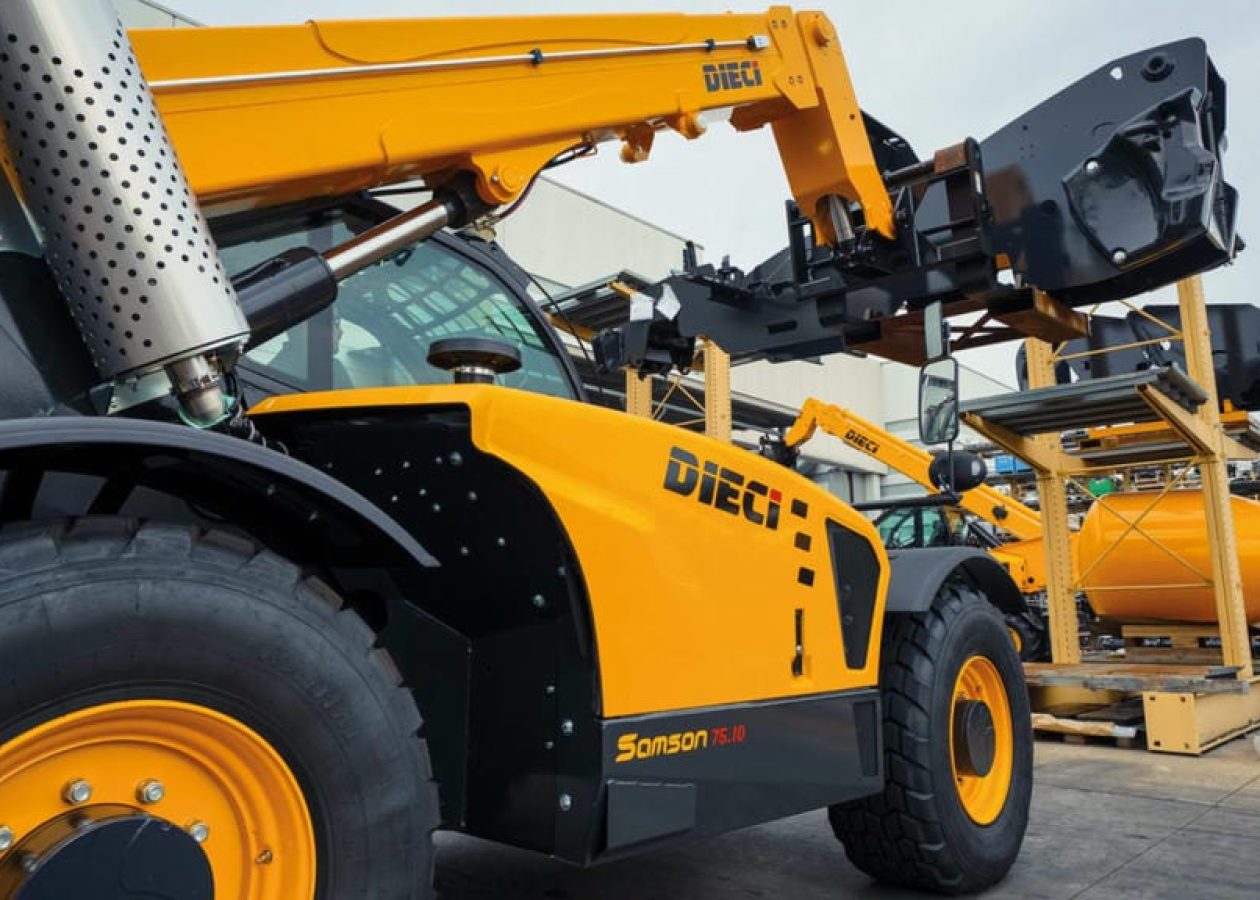
Modern models, like Dieci’s compact telehandlers, are engineered specifically for high-density work zones. Their ability to rotate, lift, and reach in limited footprints makes them invaluable for materials handling in cities like Melbourne.
Quick Take: What Makes a Telehandler Urban-Site Ready?
Here’s what to look for when selecting a telehandler for a confined site:
- Narrow width chassis (under 2.2m)
- Short turning radius (tight inner steering)
- Low-profile height for underground access
- Joystick-controlled telehandler functions for smoother operation
- Advanced load-sensing hydraulics for efficiency and control
“Using Telehandlers in Small Urban Jobsites”
Wondering if a telehandler will fit your city worksite?
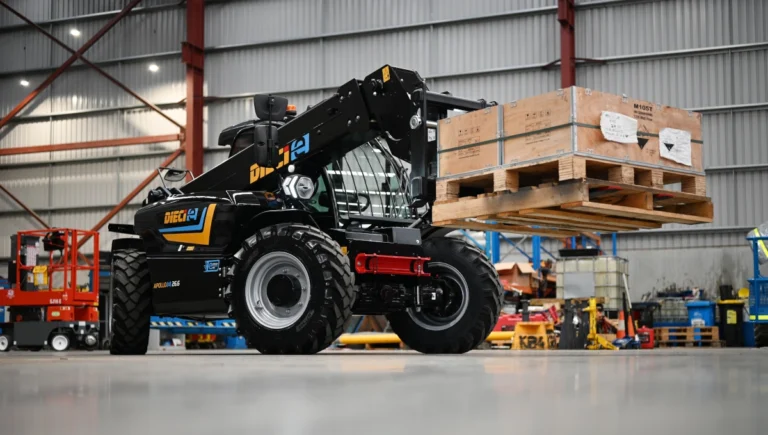
Telehandlers designed for urban use such as the Dieci Apollo Smart 20.4 are compact, manoeuvrable, and can be fitted with attachments like pallet forks, buckets, or elevated platforms. They navigate laneways, courtyards, and narrow basements while offering lifting heights up to 10 metres.
Perfect for builders working in Melbourne, Brisbane, and Sydney.
Top Challenges When Operating Telehandlers in Confined Sites
- Limited Access Points
City worksites often have narrow laneways or internal courtyards. You need a telehandler that can fit through tight entryways without sacrificing capacity. - Noise and Emissions Restrictions
Urban noise ordinances require quieter machines. Electric or Tier 5 compliant engines can reduce both decibels and emissions. - Pedestrian and Traffic Hazards
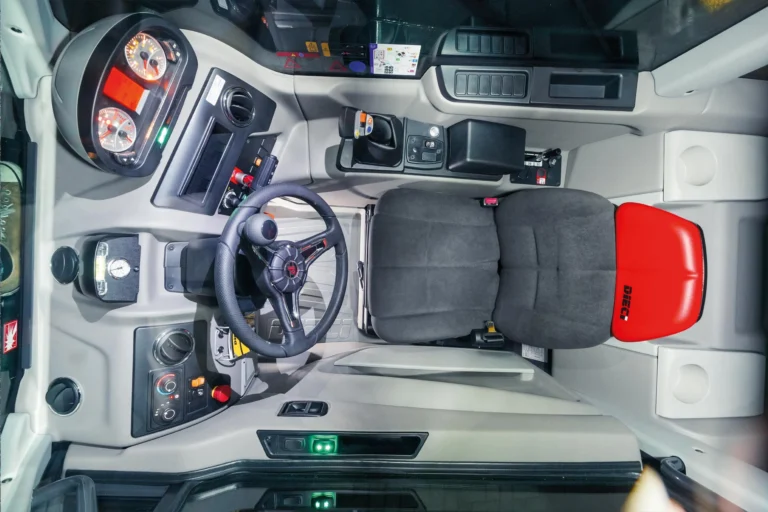
Operators must remain hyper-aware of surrounding activity. Dieci cabins are designed with panoramic windows for excellent visibility and joystick controls to allow for fine-tuned movement, reducing accident risk. - Space for Turning and Positioning
Multi-mode steering, crab steering, and small turning radii are critical in city builds. Fixed-boom models with tight geometry shine here. - Material Storage Constraints
No room for stockpiles? Your telehandler may need to work double-duty—unloading trucks, hoisting materials, and supporting elevated trades all from a single zone.
Tips for Safe and Efficient Operation in Tight Areas
✅ Use Joystick Control for Precision
Joystick-controlled telehandlers allow operators to make micro-movements with the boom and steering—critical for avoiding structures or pedestrians.
✅ Prioritise Compact Attachments
Use shorter forks or narrow buckets when operating in tight confines. Avoid oversized attachments that reduce visibility or swing clearance.
✅ Optimise Load Charts for Vertical Lifting
Urban jobsites often require vertical reach more than outreach. Choose a model optimised for up-down work rather than maximum horizontal extension.
✅ Establish Clear Traffic Zones
On tight sites, designate one-way machine routes and loading zones to reduce conflict with trades or foot traffic.
✅ Schedule Deliveries to Minimise Congestion
Stagger materials delivery to avoid site blockages. Your telehandler should be ready to unload and move quickly without creating a bottleneck.
✅ Train Operators for Urban Environments
Operating in confined, pedestrian-heavy areas requires a different mindset. Ensure your team is trained in safety, signaling, and load management.
Common Urban Applications for Telehandlers
- Apartment builds with tight access basements
- Inner-city commercial renovations with laneway access
- Rooftop material delivery via elevated forks or work platforms
- Modular construction requiring precision placement
- Warehouse builds with tight site footprints
In each of these applications, telehandlers not only make the job possible—they enhance efficiency and safety.
The Dieci Advantage in City Builds
Dieci Australia offers a range of compact and full-sized telehandlers tailored for city use. Their joystick-controlled models are ideal for operators needing precise movement and ergonomic controls.
Models like the Dieci Apollo and Icarus provide powerful lifting capacity in small footprints, with options for rotating cabs, four-wheel steering, and advanced control systems.
Plus, with servicing and support available across Melbourne, Sydney, Brisbane and beyond, you’re never far from expert advice, parts, or service.
Related search terms: telehandler Melbourne, joystick controlled telehandler, materials handling, heavy lifting equipment
Final Word: Size Isn’t Everything—Smart Operation Wins
Operating in a confined space doesn’t mean compromising on performance. With the right telehandler model and approach, you can deliver projects faster, safer, and with greater flexibility.
What would change if your team could unload, lift, and reposition materials in half the space—and time—it takes now?
That’s the advantage Dieci telehandlers bring to urban construction.
Need help selecting a telehandler for your Melbourne project or urban site? Talk to Dieci Australia about compact models, attachments, and smart handling solutions for confined spaces.