Telehandler Operator Training: Best Practices for Safety and Productivity
Telehandlers are powerful, adaptable machines—but in the wrong hands, they can quickly become safety hazards and operational headaches. That’s why comprehensive operator training isn’t just a compliance checkbox—it’s a strategic advantage.
Have you ever seen a skilled operator complete a job in half the time—and wondered how they make it look so easy? The difference often comes down to training, experience, and confidence with the machine.
Let’s explore how telehandler training can boost productivity, enhance safety, and extend the life of your equipment.
Why Proper Telehandler Training Matters
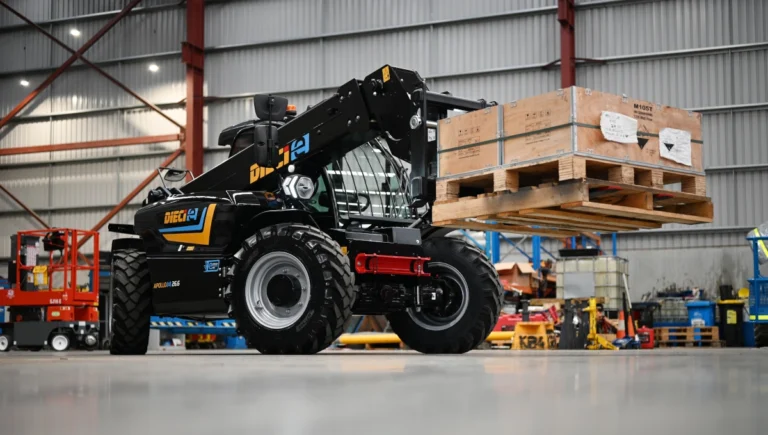
Telehandlers are more than just forklifts with a longer reach. With rotating booms, variable load capacities, and a wide range of attachments, they require a deep understanding of materials handling and load management.
Proper training ensures:
- Fewer workplace accidents
- Less equipment wear and tear
- Higher operator efficiency
- Better maintenance awareness
- Regulatory compliance
In an industry where downtime is costly and safety is paramount, trained operators are a non-negotiable asset.
“What Does Telehandler Training Involve?”
Telehandler training in Australia covers equipment operation, load handling, hazard recognition, and daily maintenance checks.
Training typically includes theoretical instruction, hands-on practice, and an assessment to gain a high-risk work license or VOC (Verification of Competency).
Key Elements of Effective Telehandler Operator Training
1. Understanding the Machine
- Differences between fixed-boom and rotating telehandlers
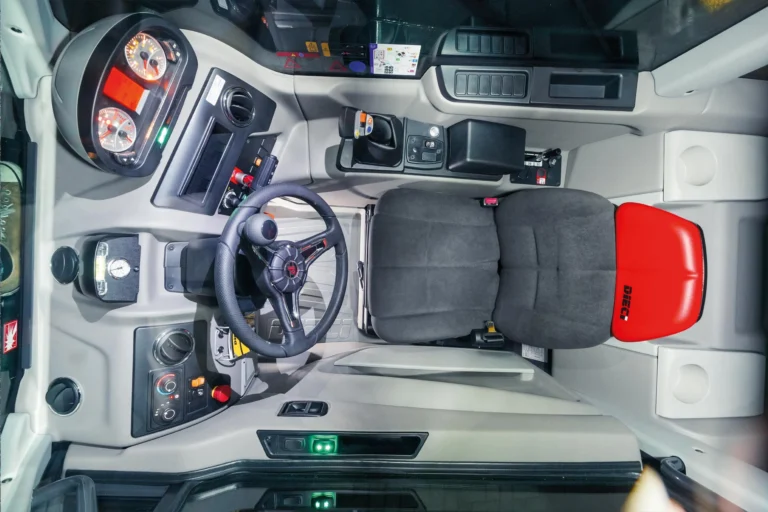
- Joystick controls vs traditional lever controls
- How boom extension affects load stability
2. Load Management and Lift Planning
- Reading and interpreting load charts
- Centre of gravity and weight distribution
- Dynamic and static stability on uneven ground
3. Site-Specific Safety Awareness
- Identifying terrain risks and overhead hazards
- Working near pedestrians or in confined urban spaces
- Using spotters and safety observers
4. Attachment Handling
- Safe use of forks, buckets, jibs, and man baskets
- Ensuring attachment compatibility
- Switching attachments safely and securely
5. Pre-Start Inspections and Maintenance
- Checking fluid levels, tyre pressure, hydraulic hoses
- Logging faults and reporting issues
- Extending machine life through early detection
Licensing and Certification Requirements in Australia
In Australia, operating a telehandler may require:
- High-Risk Work Licence (Class LF) for boom lengths over 3 metres
- VOC (Verification of Competency) to demonstrate practical skills
- On-site induction tailored to specific project needs
Employers are responsible for ensuring operators are appropriately licensed and verified. Many telehandler suppliers, including Dieci, offer support with training documentation and compliance.
Common Mistakes Untrained Operators Make
- Overloading or underestimating weight
- Incorrect boom positioning on slopes
- Improper use of stabilisers or outriggers
- Skipping daily inspections
- Unsecured attachments or misuse
Each of these can lead to serious incidents—or avoidable downtime.
Benefits of Investing in Training
✅ Fewer Accidents
Workplace incidents involving telehandlers often stem from operator error. Proper training significantly reduces risk.
✅ Reduced Machine Downtime
Trained operators spot early signs of wear or failure and treat equipment with care.
✅ Improved Jobsite Efficiency
Faster load cycles, smoother operation, and fewer mistakes lead to better timelines and happier clients.
✅ Longer Equipment Lifespan
With proper handling and daily inspections, your Dieci telehandler will operate longer with fewer repairs.
How Dieci Supports Operator Training
Dieci Australia recognises that a machine is only as good as its operator. That’s why they offer:
- Familiarisation sessions for new equipment
- Guidance on industry training providers
- Documentation for load charts, maintenance, and safety
- Access to service teams for inspection support
They also ensure your team is trained on joystick-controlled telehandlers and attachments, which are becoming the industry norm.
The Role of Technology in Operator Improvement
Telehandlers with integrated telematics can track operator behaviour, identify bad habits, and help improve performance. For example:
- Excessive idling
- Aggressive boom movements
- Frequent fault codes
These insights provide data-driven opportunities for retraining and coaching.
Final Thoughts: Skill Builds Safety and Speed
How would it feel to know every jobsite had an operator who didn’t just know how to use a telehandler—but how to use it wisely?
With proper training, operators become more than just drivers—they become protectors of your timeline, your equipment, and your team.
Need help getting your team trained or upskilled on Dieci telehandlers? Talk to Dieci Australia about equipment walkthroughs, best-practice guidance, and nationwide servicing support to keep your people—and projects—moving safely and efficiently.