On busy worksites, time is everything. The more time spent swapping attachments, the less time you have to get the job done. That’s where quick-hitch systems come in and why they’ve become an essential feature for any telehandler working across multiple tasks.
Have you ever delayed a lift because the wrong attachment was on the machine, or you didn’t have time to swap tools safely?
Let’s break down how quick-hitch systems boost productivity, safety, and site efficiency.
What Is a Quick-Hitch System?
A quick-hitch (or quick-coupler) is a mechanical or hydraulic interface that allows operators to rapidly connect or disconnect telehandler attachments without leaving the cabin or using manual tools.
“How Do Quick-Hitch Systems Improve Productivity?”
Quick-hitch systems let telehandler operators swap attachments in seconds, reducing downtime, increasing flexibility, and keeping jobs moving. Less manual handling, more work done.
Benefits of Quick-Hitch Telehandlers
1. Faster Attachment Swaps
- Reduces time between jobs or lift types
- Swaps in under 1 minute in most cases
2. Less Operator Fatigue
- No need to leave the cabin or handle heavy pins manually
- Safer and easier across long shifts
3. Greater Jobsite Flexibility
- Handle pallet forks in the morning, switch to a bucket for cleanup by lunch
- Ideal for mixed-task projects like agriculture, construction, or maintenance
4. Improved Safety
- Reduces human error from improperly secured attachments
- Mechanical locks and sensors confirm secure fit
5. Supports Multi-Machine Fleets
- Standardised quick-hitch sizes let you share attachments across machines
- Reduces need for duplicate gear
Types of Quick-Hitch Systems
1. Manual Quick-Hitch
- Uses levers or pins but is faster than traditional setups
2. Hydraulic Quick-Hitch
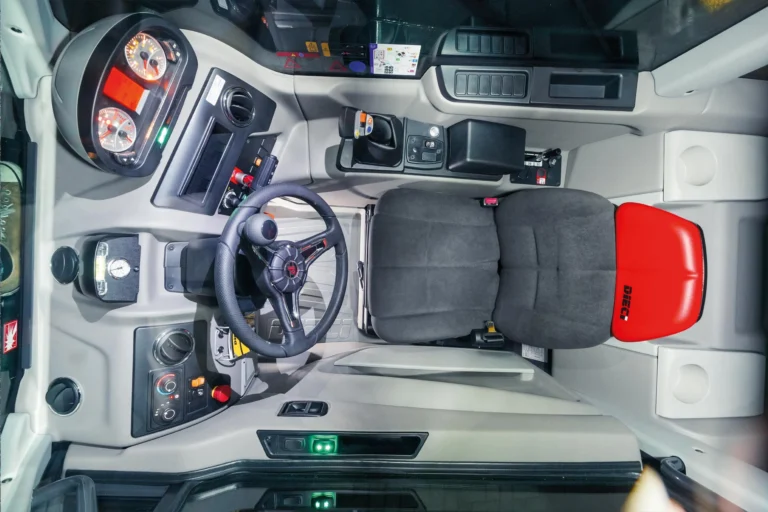
- Fully controlled from inside the cab
- Ideal for high-volume or time-sensitive tasks
Smart Couplers with Auto Recognition
- Automatically identifies attachment type
- Adjusts hydraulic settings and load limits
Best Use Cases for Quick-Hitch Systems
Construction Sites: Switch between forks, buckets, and jibs for material handling and cleanup
Farming and Agriculture: Bale forks, spreaders, and bins handled with one machine
Shutdowns or Industrial Work: Fast retooling for limited access or remote locations
Tips to Maximise Quick-Hitch Efficiency
Keep attachments stored close to site tasks
Train operators to recognise lock indicators and confirm security
Schedule attachment changes around workflow breaks
How Dieci Supports Quick-Hitch Productivity
Dieci Australia telehandlers come equipped or compatible with fast-attach systems, including:
- Hydraulic quick-hitches with cabin controls
- Compatible attachment sets for multi-use efficiency
- Operator training on tool changes and lockout verification
- Attachment kits for construction, mining, and agriculture
Final Thoughts: More Work, Less Waiting
What would change if your team could go from lifting pallets to clearing debris in 60 seconds, without calling in a second machine?
Quick-hitch systems turn every telehandler into a jobsite multitool. With less downtime and more versatility, they’re not just convenient—they’re a competitive edge.
Want to upgrade your telehandler with quick-hitch attachments? Talk to Dieci Australia for compatible systems, models, and full attachment packages.