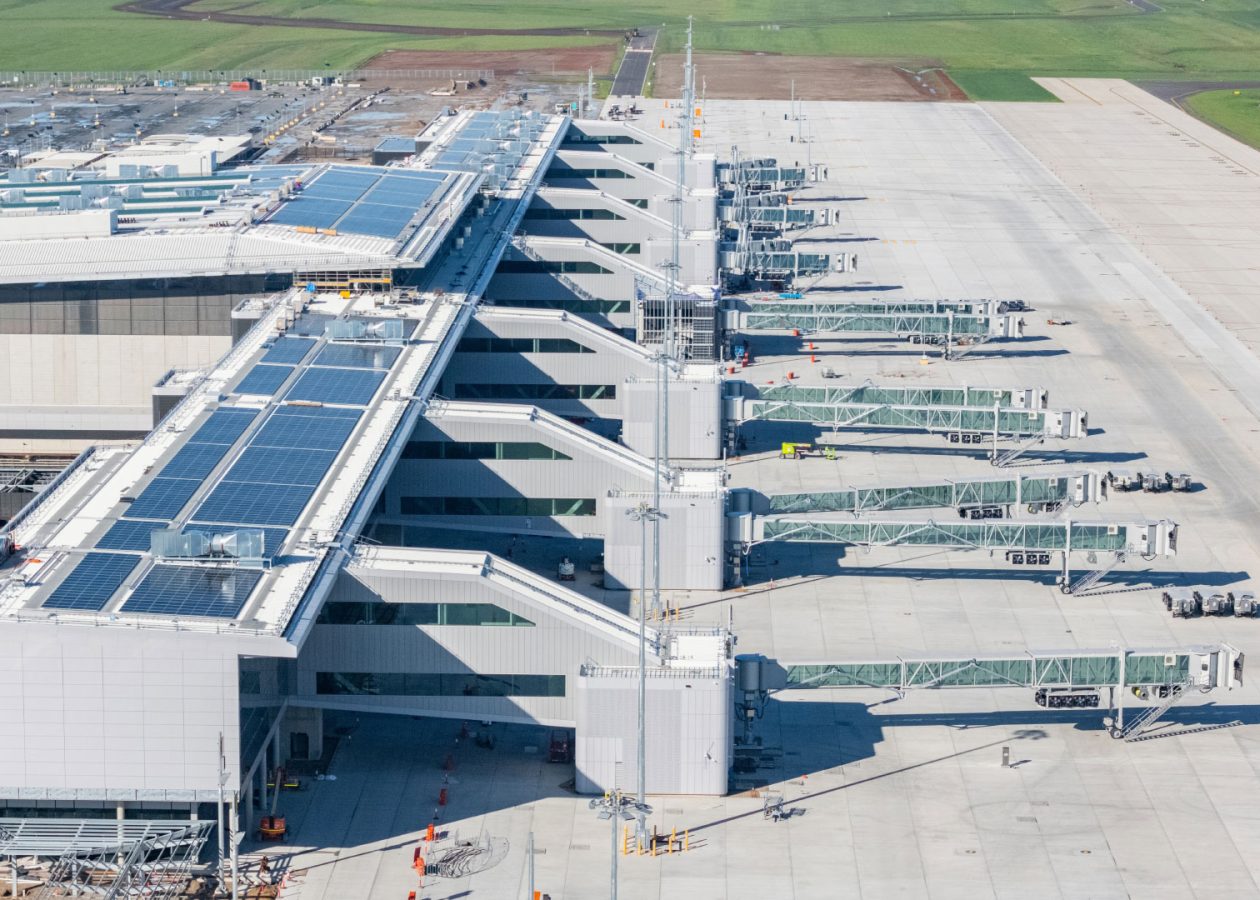
Construction sites in Australia’s biggest cities Sydney and Melbourne are busier, tighter, and more regulated than ever. With cranes, tradies, delivery trucks, and machinery all competing for limited space, site safety isn’t optional – it’s critical.
And with telehandlers taking on more roles on city projects, their safe use must be a top priority.
Have you ever worried about tipping loads near footpaths, navigating tight laneways, or coordinating lifts with multiple trades on-site?
This guide unpacks essential safety practices when operating telehandlers in urban zones, so you can avoid incidents, stay compliant, and keep your projects on track.
Why Urban Projects Require Extra Vigilance
Unlike wide-open rural or industrial sites, metro jobsites add unique risks:
- Tight access between buildings and footpaths
- Proximity to public areas and pedestrians
- Complex scheduling with cranes, concrete pours, and trades
- Strict Tier 1 safety and compliance protocols
How Can You Use Telehandlers Safely in the City?
In cities like Sydney and Melbourne, telehandler safety starts with trained operators, daily pre-checks, and smart load planning. Always factor in space limits, pedestrian zones, and shared access paths.
Key Safety Areas to Watch
✅ Site Access & Setup
- Check overhead obstructions and laneway width
- Use spotters when reversing or navigating blind corners
- Ensure ground conditions support the load weight
✅ Load Handling & Boom Control
- Never exceed the machine’s rated lift chart
- Avoid side loads or lifting over unstable surfaces
- Don’t lift over pedestrians or public spaces
✅ Operator Training & VOCs
- Ensure all operators are certified and VOC-verified
- Refresh training regularly for model-specific functions
- Use telematics to track usage and compliance metrics
✅ Attachments & Quick-Hitch Safety
- Confirm each attachment is locked and rated for the task
- Never improvise with modified or damaged tools
- Follow manufacturer load charts when using baskets or jibs
Site-Specific Practices for Sydney & Melbourne
| Safety Risk | Best Practice |
| Pedestrian proximity (CBD jobs) | Use exclusion zones, barriers, and spotters |
| Multi-level projects | Use man baskets with certified harness anchors |
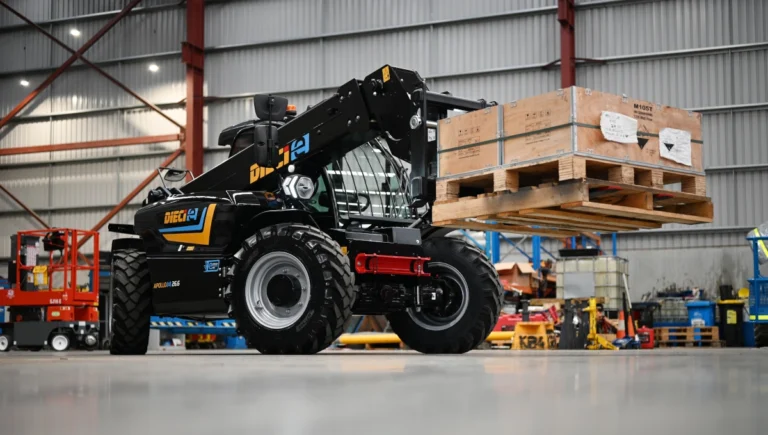
| Narrow access sites | Deploy compact telehandler models with tight turn radius |
| Public-facing works (footpaths, roads) | Coordinate with traffic control and local council permits |
Safety Features to Look For in Urban Telehandlers
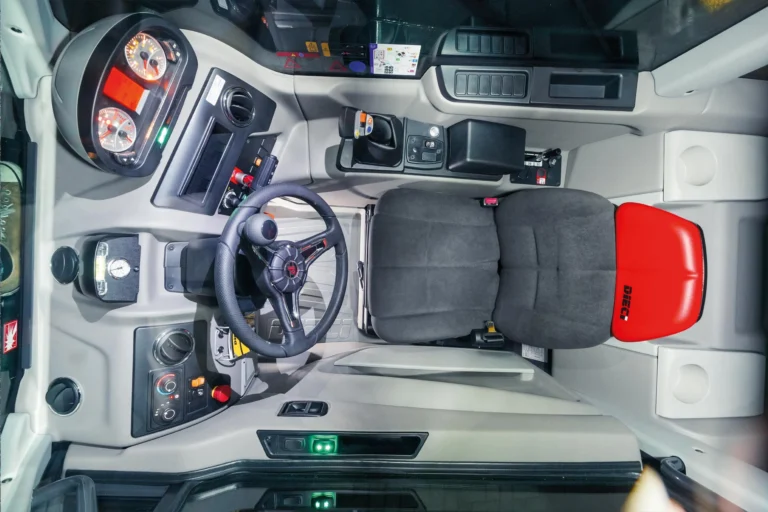
- Reversing cameras and proximity sensors
- Tier 1-compliant emergency stops and beacons
- Load moment indicators (LMI) and tilt alarms
- Fire suppression and auto shutdown in case of fault
Dieci’s models offer all of the above and full Tier 1 ready packages for Sydney and Melbourne compliance.
Hire or Buy with Safety in Mind
Hire:
- Ensure provider offers compliant units with logbooks and maintenance records
- Get the right size and spec for each site without overcommitting
Buy:
- Ideal if you manage multiple urban projects
- Allows for in-house safety training and attachments
Why Builders Trust Dieci in Metro Projects
Dieci Australia provides:
- Fully compliant machines for Tier 1 and Tier 2 sites
- Training and support for operator compliance
- Quick turnaround on parts and service in Sydney and Melbourne
Final Thoughts: Plan Smart, Lift Safe
What would change if your site ran smoother, with fewer delays, fewer risks, and less stress about safety checks?
Telehandlers improve productivity but only when safety comes first. With the right planning, support, and machine, your team can lift more and risk less.
Need a compliant telehandler for a Sydney or Melbourne build? Contact Dieci Australia for safety-certified machines and operator support.