Every supervisor knows that productivity means nothing without safety. And when it comes to materials handling, telehandlers bring more than just lifting power—they’re safety enablers when used correctly.
Have you ever had to shut down a job due to unstable lifting, poor access, or near misses with outdated machinery? Telehandlers, when properly specified and operated, can reduce those risks dramatically.
This guide is for site supervisors and project managers who want to leverage telehandlers to create safer, more compliant, and more efficient worksites.
The Safety Advantage of Telehandlers
Modern telehandlers offer built-in design features that reduce operator error and support a safer workflow:
- Telescopic booms allow for materials delivery at height without moving the machine into dangerous zones
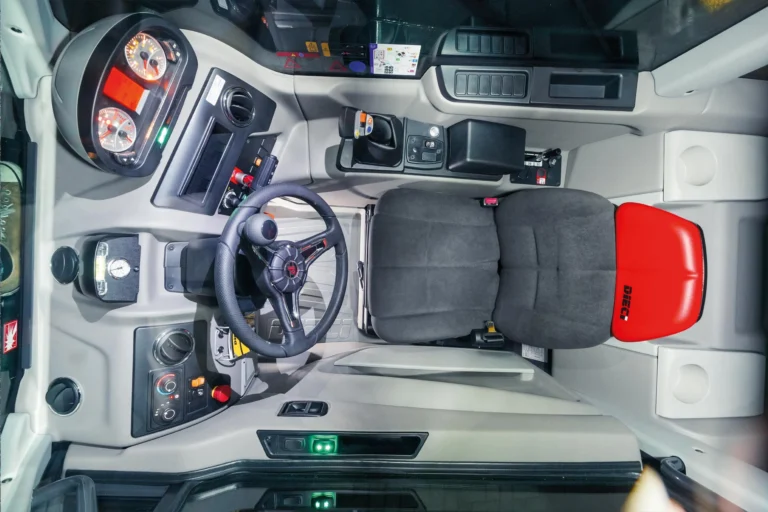
- 360° visibility cabins reduce blind spots
- Load sensors and limiters prevent overloading and tipping
- Quick-hitch systems allow fast, secure attachment changes
“How Do Telehandlers Improve Safety on Construction Sites?”
Telehandlers improve safety by:
- Reducing the need for manual handling
- Enabling stable lifts to high locations
- Offering visibility and control features
- Minimising the number of machines needed on site
They help lower risk and increase site efficiency.
Key Safety Benefits for Supervisors
✅ One Machine, Less Movement
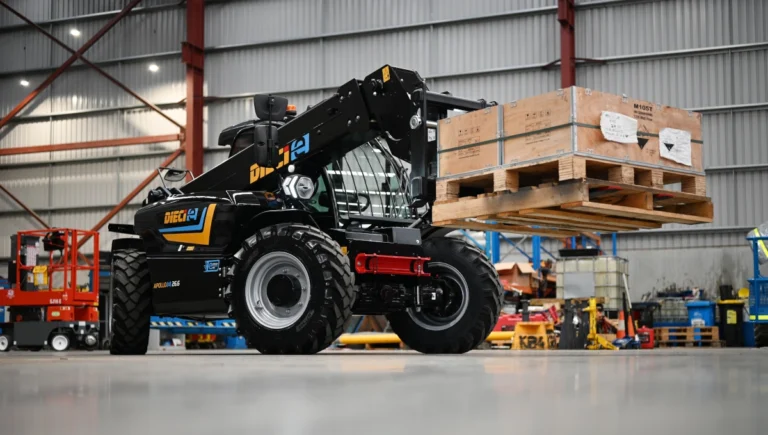
Telehandlers can replace multiple machines (crane, forklift, EWP), reducing traffic and congestion.
✅ Safer Lifting at Height
Boom extensions reduce the need to drive close to structures, lowering risk near trenches, pits, and other hazards.
✅ Controlled Load Management
Modern units come with onboard load charts, limiters, and boom interlocks to stop overextension.
✅ Reduced Operator Fatigue
Joystick control, ergonomic cabins, and smart stabilisers make long shifts safer.
✅ Faster Material Handling
More efficient lifts mean shorter exposure times to risk areas (such as working under loads).
Telehandler Attachments That Support Safer Work
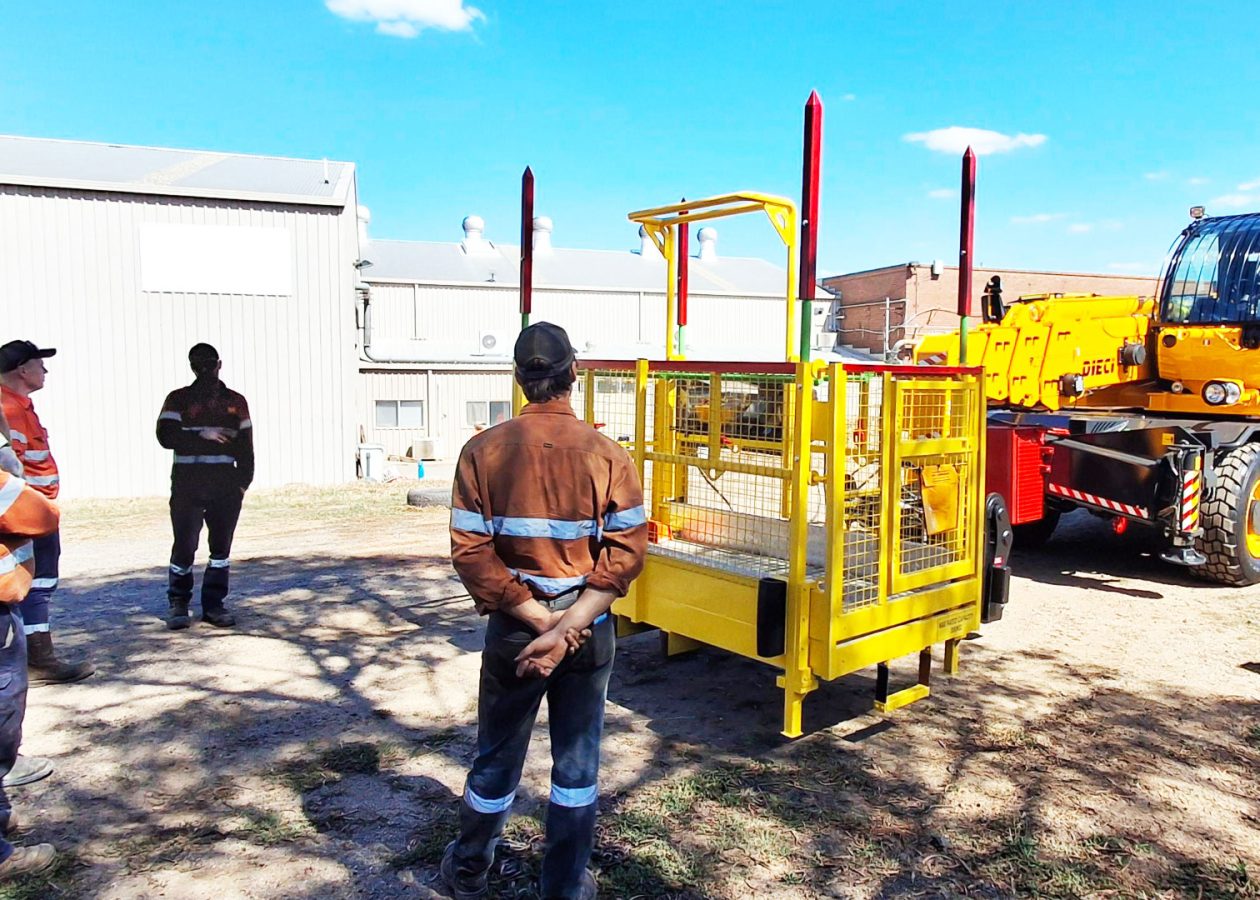
- Man baskets: Secure personnel lifting without needing a dedicated EWP
- Buckets: Clean-up and demolition support reduces manual shovelling
- Jibs with hooks: Controlled load lowering and pickup
- Bale grabs and forks: Ideal for agricultural or palletised loads
Attachments must be rated, compatible, and checked before every use.
Common Telehandler Safety Mistakes to Avoid
- Using non-compliant or damaged attachments
- Failing to review the machine’s load chart
- Overreaching or lifting on sloped terrain without stabilisers
- Letting unlicensed or untrained personnel operate the unit
- Skipping pre-start inspections and daily servicing
Site Safety Tips for Supervisors
- Ensure Proper Licensing and VOCs
- High Risk Work Licences (WP or CN) may be needed for certain attachments or loads
- Set Telehandler Work Zones
- Limit traffic near operation zones
- Use spotters in high-traffic areas
- Conduct Daily Inspections
- Ensure tyres, booms, hydraulics, and attachments are in safe condition
- Log Usage and Load Handling
- Track boom extensions and load weights for compliance audits
- Partner With a Reliable Supplier
- Ensure access to support, servicing, and operator familiarisation
How Dieci Supports Safer Sites
Dieci Australia provides:
- Telehandlers designed for Australian conditions
- Load-limiting systems and high-visibility cabs
- Mine and Tier 1-spec machines with built-in safety
- Training support and machine familiarisation
- Nationwide parts and servicing
With Dieci, you’re not just getting a machine – you’re getting a safety partner.
Final Thoughts: Safer Machines Mean Safer Sites
What would change if every material lift on your site was faster, safer, and fully controlled without putting your team at risk?
As a supervisor, the right telehandler isn’t just a tool. It’s a strategic investment in site safety, worker confidence, and operational uptime.
Looking for compliant, safety-enhanced telehandlers? Contact Dieci Australia to explore models, attachments, and support options tailored to your site needs.