How Weather and Terrain Impact Telehandler Performance in Australia
Australia’s diverse landscapes—from tropical coastlines and red deserts to icy alpine zones—present serious challenges for heavy equipment. Telehandlers, being one of the most relied-upon machines in materials handling and heavy lifting, need to perform under all these conditions.
Have you ever found a telehandler slipping on wet clay, struggling on a steep incline, or faltering in extreme heat? These are real-world problems that impact productivity, safety, and the longevity of your equipment.
Let’s explore how climate and terrain affect telehandler performance—and how to select the right machine for your environment.
Why Australian Conditions Demand Smart Equipment Choices
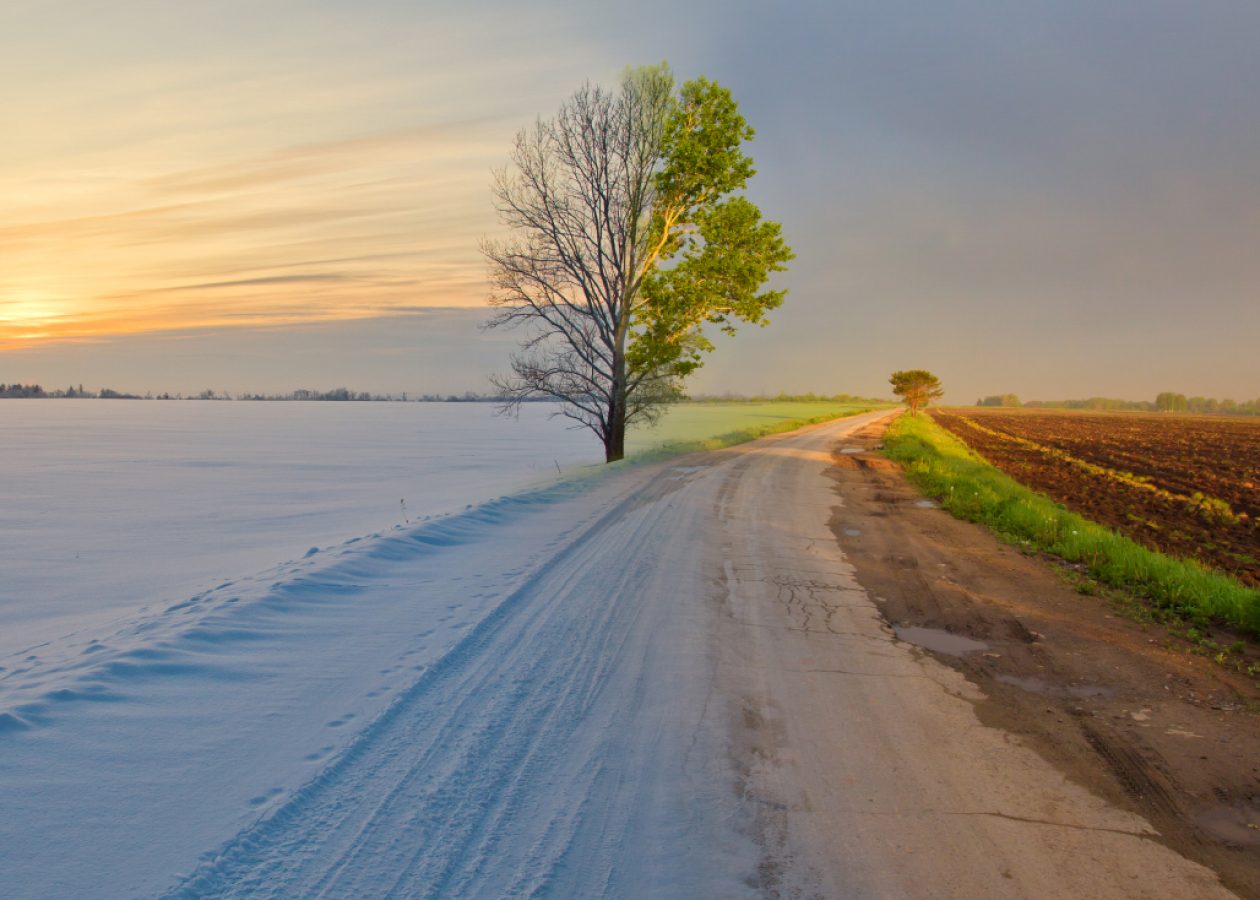
Australia isn’t just one climate or one type of soil—it’s a patchwork of extremes. In one state, you might face high humidity and heavy rains. In another, scorching sun and fine red dust.
Your telehandler isn’t just lifting loads—it’s contending with the ground beneath it, the air around it, and the weather overhead.
Popular search terms: heavy lifting equipment, telehandler hire Australia, materials handling
“Do Weather and Terrain Affect Telehandler Performance?”
Yes—weather and terrain have a major impact on telehandler performance. Mud, sand, heat, rain, and uneven ground affect traction, stability, engine cooling, and operator visibility. Choosing the right telehandler for your region’s conditions is key to safe, efficient operation.
Terrain Types and Telehandler Considerations
1. Soft or Muddy Ground
Common in coastal regions or after rainstorms in New South Wales, Victoria, and Tasmania.
- Issue: Sinking or loss of traction
- Solution: Use telehandlers with large, deep-tread tyres and oscillating axles. Outriggers or stabilisers also help.
- Tip: Avoid narrow tyres on muddy or loamy terrain.
2. Sandy or Loose Soil
Found in Western Australia’s mining zones and some farming regions.
- Issue: Wheels dig in and risk getting bogged
- Solution: Opt for wider, low-pressure tyres. Maintain momentum during turns. Keep loads low to improve stability.
3. Rocky and Uneven Ground
Prevalent in regional Queensland or rural South Australia.
- Issue: Machine imbalance, wear on suspension
- Solution: Four-wheel steering, all-terrain suspension, and reinforced booms reduce stress and increase maneuverability.
4. Steep or Sloped Areas
Found in alpine areas and elevated builds.
- Issue: Tipping risk, reduced lift reach
- Solution: Use telehandlers with low centres of gravity, tight turning radii, and advanced load management systems.
Climate Effects on Performance and Maintenance
🔥 High Heat (Northern Australia, Outback WA)
- Challenges: Engine overheating, fluid evaporation, operator fatigue
- Tips: Ensure the telehandler has a high-capacity radiator and shaded cab with air-con. Service more frequently in summer.
🌧️ Heavy Rain and Humidity (Tropical QLD, Northern NSW)
- Challenges: Electrical faults, rust, reduced traction
- Tips: Use sealed electronics, apply rust-proofing, and inspect for moisture ingress regularly.
❄️ Cold or Frosty Conditions (Alpine VIC/NSW)
- Challenges: Cold starts, brittle hoses, ice on tires
- Tips: Choose machines with cold-start engines and ensure regular inspections of rubber components.
Features to Look for in All-Terrain Telehandlers
Whether you’re hiring or buying a telehandler in Australia, look for the following to ensure performance across diverse sites:
- All-wheel drive with automatic torque distribution
- Boom suspension to reduce load shift on bumpy ground
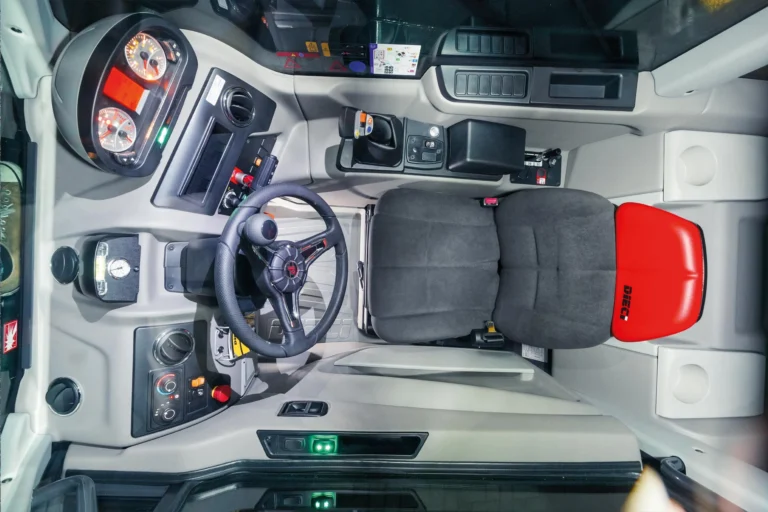
- Enclosed cabs with heating/cooling for operator comfort
- Joystick-controlled steering for precision in tight or slippery conditions
- Telematics to monitor fuel, usage, and fault codes in harsh conditions
The Role of Attachments in Harsh Conditions
Attachments also need to match the terrain:
- Buckets can become unstable on inclines or muddy slopes
- Forks may sink into soft ground if loads are too heavy
- Work platforms require stable footing—avoid use on uneven or wind-prone zones
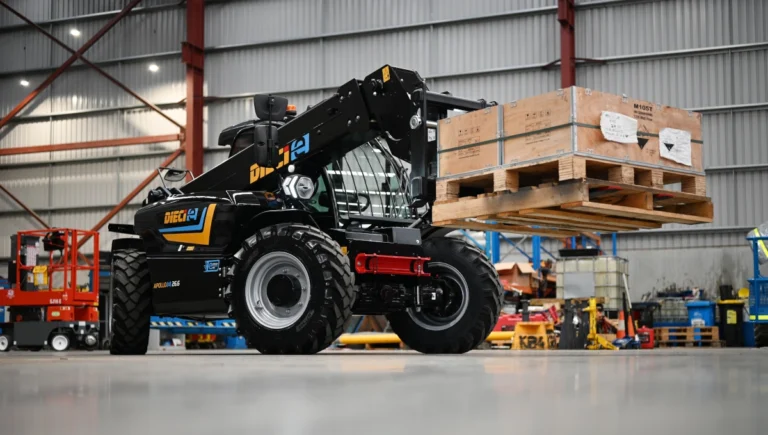
Tip: Always use OEM-approved attachments. Dieci telehandlers and attachments are designed as integrated systems to reduce wear and increase safety.
Maintenance Scheduling by Region
Different terrains require different servicing plans:
| Region | Key Maintenance Needs |
| Tropical QLD | Frequent electrical checks, rust inspections |
| Outback WA | Cooling system flushes, dust filters |
| Coastal NSW | Lubrication and undercarriage cleaning |
| Alpine VIC/NSW | Battery checks, rubber seal inspections |
| Mining Regions | Hydraulic pressure tests, boom inspections |
Working with a national service provider like Dieci Australia ensures your machine is ready for your region’s demands.
Real-World Example: A Dieci Telehandler in Rural Queensland
One rural contractor in Queensland recently shared how their Dieci telehandler stood up to summer storms and soft clay conditions.
“We used to bog down with every delivery, but our new model with wide tyres and four-wheel steer has changed everything. It stays level, even in sloppy terrain.”
This kind of region-specific performance is why local knowledge and equipment matching is crucial.
Final Word: Choose Equipment That Matches the Environment
What would change if your machine wasn’t fighting the terrain—but thriving in it?
By choosing a telehandler tailored to your site’s weather and ground conditions, you’ll avoid delays, reduce wear, and operate more efficiently.
Not sure which telehandler suits your region? Talk to Dieci Australia for expert advice on machines built for your terrain, climate, and workload—plus nationwide servicing and parts support.