Buying a Used Telehandler: What to Look For
Telehandlers are major investments—so if you’re considering buying used, the stakes are high. Done right, it’s a cost-effective way to boost your fleet. Done wrong, it’s a shortcut to costly repairs, compliance issues, or operational delays.
Have you ever bought used equipment that turned into a lemon? The truth is, not all telehandlers age equally. The key is knowing exactly what to check before you commit.
Let’s walk through a practical, no-fluff checklist to make sure your next used telehandler purchase is a smart one.
Why Consider a Used Telehandler?
Buying used makes sense when:
- You want to reduce upfront capital outlay
- The machine will see light-to-moderate usage
- You’re expanding into a new region or application
- You’re supporting a temporary or short-term contract
Just ensure you’re not trading savings for headaches. A cheaper machine upfront might cost more over time if it’s unreliable or out of spec.
“What Should I Check When Buying a Used Telehandler?”
Key things to inspect include:
- Service history and compliance records
- Boom wear and pin integrity
- Hydraulic performance and leaks
- Tyres, brakes, and steering components
- Hours of use versus machine condition
Buying from a trusted supplier with servicing support is also essential.
Your Pre-Purchase Inspection Checklist
1. Service and Compliance History
- Request full service records
- Ensure the machine complies with AS 2550.19
- Check VOC or operator training compatibility
2. Boom Wear and Structural Integrity
- Look for cracks, rust, or weld repairs
- Inspect wear on boom guides, rollers, and bushings
- Ensure telescoping action is smooth and controlled
3. Hydraulic System Health
- Check hoses for wear, leaks, or rubbing
- Confirm consistent pressure and no lag during operation
- Inspect cylinder seals and function of auxiliary hydraulics
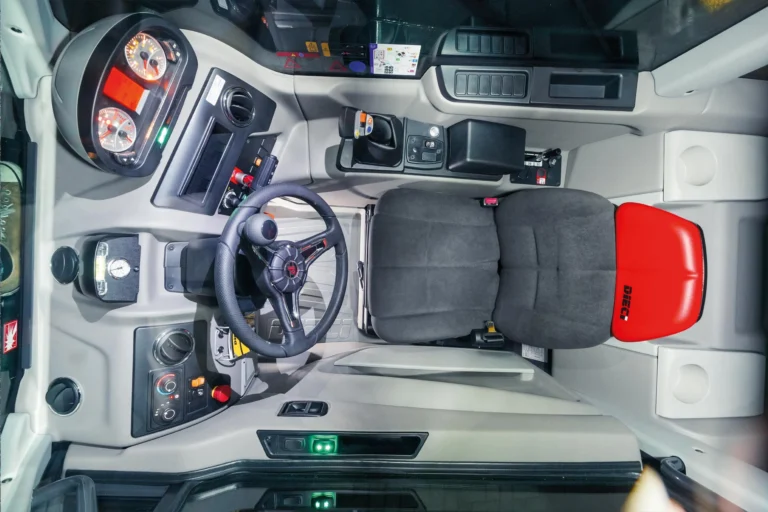
4. Cab and Controls
- Test joystick control response
- Check ROPS/FOPS certification plate
- Verify condition of display panels, warning lights, and horn
5. Tyres, Axles, and Suspension
- Uneven tyre wear may indicate axle alignment issues
- Look for cracks or separation in tyres
- Check articulation and steering pivot points for looseness
6. Engine and Transmission
- Look for smoke or unusual engine noise
- Review oil condition and coolant levels
- Test automatic vs manual transmission engagement
Key Buying Tips
✅ Ask About Parts Availability
Older models or overseas imports may be difficult to source telehandler parts and servicing for in Australia.
✅ Match the Machine to the Workload
Buying a 21m telehandler when you only need 7m reach wastes fuel, money, and storage space.
✅ Verify Safety Features
Emergency stops, alarms, backup cameras, and lighting must be functional to pass jobsite inspections.
✅ Consider Resale Value
Brands like Dieci with strong dealer networks hold value better and make resale simpler.
Why Buy Used from Dieci Australia?
Dieci offers professionally-inspected, fully-serviced used telehandlers that meet Australian standards. When you buy from a trusted brand:
- You get a verified compliance history
- The machine has been maintained to spec
- Support is available for parts, servicing, and training
They also offer trade-in options and machine walkarounds so you know exactly what you’re getting.
Final Thoughts: Confidence Comes From Inspection
What would change if you could buy a used telehandler with total confidence—knowing it’s compliant, reliable, and ready for work?
With the right checks, supplier, and strategy, a second-hand telehandler can become a high-performing asset in your fleet.
Need help choosing or inspecting a used telehandler? Speak to Dieci Australia for expert guidance, machine history reviews, and servicing support to make your investment count.