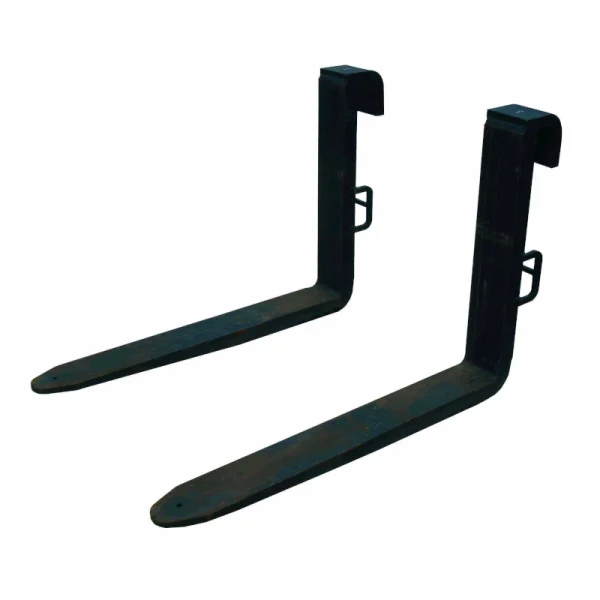
Fork Tines / Tynes for Telehandlers – Frequently Asked Questions
What are telehandler Fork Tines used for?
Telehandler fork tines are used to lift, transport and position palletised loads, building materials, equipment and other heavy items safely and efficiently. They are the most common telehandler attachment and are widely used across construction, mining, agriculture, logistics and industrial applications.
How do I choose the right Fork Tines for my telehandler?
The correct fork tines should be selected based on your telehandler’s rated lifting capacity, the weight of the loads being handled and the required tine length. Choosing the appropriate size and capacity ensures safe operation, improved load stability and compliance with the machine’s load chart.
Are telehandler Fork Tines available in different sizes?
Yes, telehandler fork tines are available in a range of lengths, widths and load capacities to suit different machines and applications. Whether you’re handling pallets, building materials or oversized loads, selecting the right fork tines helps maximise productivity while maintaining safe lifting performance.
What are the Australian standards for forklift Fork Tines, and how long should they be?
Fork tines should comply with the relevant Australian Standard, including AS 2359, and be suitable for the forklift’s rated capacity and intended application. As a general industry guideline, fork tines should support at least 75% of the load length to help maintain load stability and minimise the risk of load damage or tip-over. Using fork tines that are too short can reduce load support and compromise safe lifting. Always ensure the fork tines are correctly rated, regularly inspected, and appropriate for the load being handled