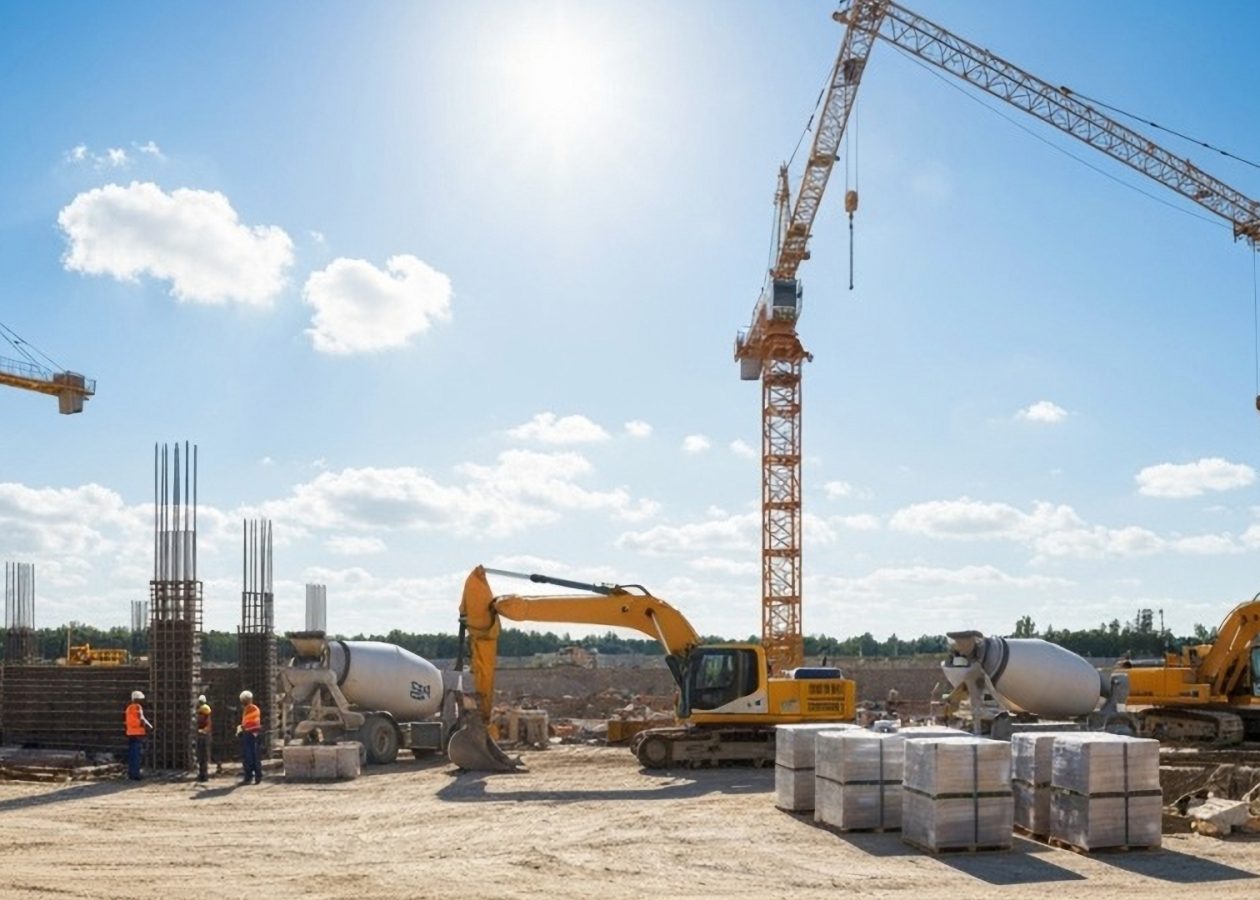
On busy construction sites, concrete work rarely happens in isolation. Footings, slabs, and structural elements are often poured alongside ongoing earthworks, services installation, and framing. When pours occur frequently, even small disruptions can ripple across multiple trades.
To manage this complexity, many contractors are separating material handling from concreting activities, using dedicated dumpers alongside site-based mixer trucks to keep workstreams moving independently.
Why High Frequency Pours Create Site Pressure
Frequent pours increase coordination demands. Timing windows tighten, access becomes contested, and delays affect more than just the concrete crew.
Common issues include:
- Material handling equipment blocking pour access
- Concrete placement delayed by shared machinery
- Trades waiting on cleared zones to resume work
Without clear equipment roles, high frequency pours can quickly disrupt overall site flow.
Keeping Earthworks and Preparation Moving
Even during active concreting phases, material movement does not stop. Spoil removal, backfilling, and aggregate supply must continue to support adjacent work areas.
The DP7000 Dumper is commonly assigned to:
- Continuous spoil and material movement during pour cycles
- Supplying aggregates and fill to preparation zones
- Operating independently of concrete placement activities
By dedicating a dumper to material handling, contractors prevent earthworks from competing with pour schedules.
Supporting Predictable Concrete Placement
Concrete placement demands control and reliability, especially when pours are frequent and closely sequenced.
The F7000 Mixer Truck supports high frequency pours by:
- Delivering a consistent 5 cubic metre concrete yield per batch
- Supporting site-based batching and controlled placement
- Operating without reliance on shared material handling equipment
Designed for site-focused use rather than transport, the F7000 integrates cleanly into active sites where multiple trades are working in parallel.
Reducing Trade Interference Through Role Separation
When dumpers and mixer trucks are assigned distinct tasks, sites benefit from:
- Clear access planning for pours
- Reduced waiting time for non-concrete trades
- Fewer interruptions caused by competing equipment movements
This separation helps maintain momentum across the site, even as pour frequency increases.
Built for Repeat Pour Environments
Both the DP7000 Dumper and F7000 Mixer Truck are designed for ownership-based operations. This supports contractors managing repeated pours by:
- Ensuring consistent availability
- Simplifying maintenance and operator training
- Reducing reliance on short-term or shared equipment solutions
As pour frequency rises, predictable equipment performance becomes increasingly valuable.
Final Thoughts
What would change if your concrete pours no longer disrupted the rest of your site?
For contractors managing high frequency pours, separating material handling and concreting with dedicated equipment has become a practical way to maintain site harmony, protect schedules, and keep multiple trades moving efficiently.