Buying the right machine is only half the story. Keeping it working for years to come? That’s where maintenance matters.
And in Australia’s tough, varied climate — from red-dust interiors to coastal humidity — generic service schedules won’t cut it.
This guide breaks down how to approach telehandler maintenance in real-world Australian conditions.
Why Standard Maintenance Schedules Don’t Always Apply
Most manufacturers publish service intervals based on ideal environments. But Australia presents a unique mix of extremes:
- Fine red dust that clogs filters and accelerates wear
- High humidity that corrodes electricals and fittings
- Extreme heat that impacts fluids and seals
- Remote job sites where servicing delays increase risk
If your manual says 500 hours, but you’re in harsh conditions? You might need 250-hour intervals instead.
Core Maintenance Intervals (And What to Adjust)
Here’s a general baseline, with room to adapt for your environment:
- Daily: Pre-start inspections, fluid checks, tyre pressure, visible wear
- Every 250 hours: Filter changes, lubrication, hydraulic inspections
- Every 500 hours: Engine oil and fuel system service, brake checks
- Annually: Full diagnostic scan, calibration, wear-part replacement
Harsh sites or continuous-use machines should cut these intervals in half.
Site-Specific Maintenance Considerations
Have you ever had a machine fail just when the job ramps up?
Often it’s because site-specific factors were ignored:
- Dusty sites: Replace air filters more frequently
- Wet or humid regions: Monitor for rust and electrical degradation
- Slope-heavy or uneven terrain: Pay attention to suspension and axle components
- Salt exposure (coastal or mining): Regular undercarriage washes and anti-corrosion treatment
It’s not just about hours—it’s about context.
Benefits of Preventative Maintenance
Too many operators wait for something to go wrong before calling service. But preventative maintenance delivers huge upside:
- Less downtime and fewer breakdowns
- Longer machine life
- Reduced cost per hour over time
- Improved resale value
- Better safety and compliance confidence
It’s the simplest way to protect your investment.
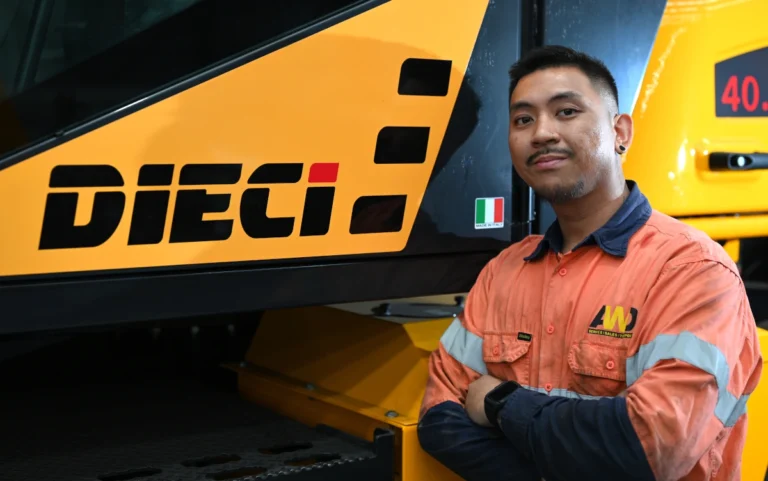
How Dieci Supports Maintenance in the Field
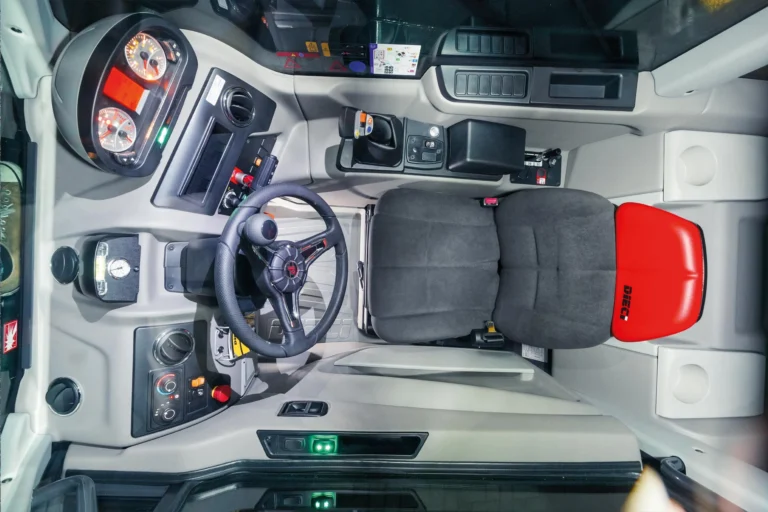
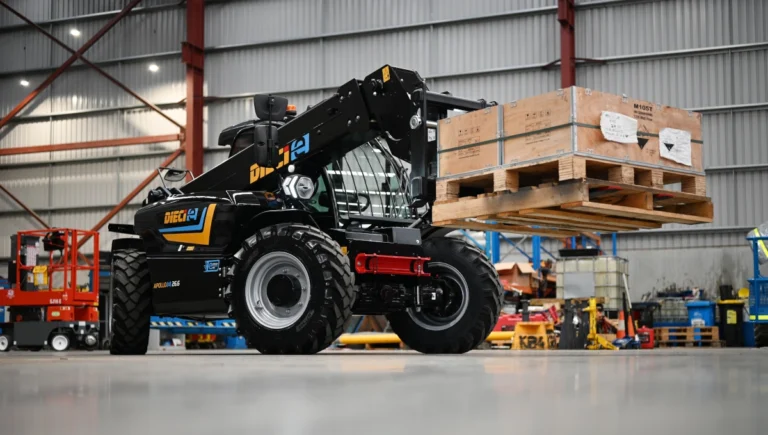
Dieci telehandlers are engineered for easier servicing and real-world Australian use:
- Easy-access filters and diagnostics
- Extended service interval capability
- National network of authorised service agents
- Parts and support stocked locally
Our team also helps owners customise maintenance plans based on their site and usage profile.
Need Help Planning Your Maintenance Strategy?
We can help you set up a realistic service schedule based on your working hours, climate, and job type.
- Talk to us about maintenance programs
- Find a local Dieci service partner
- Download the Telehandler Buyer’s Guide
Social caption:
Australia’s harsh conditions demand more than a generic maintenance schedule. Learn how to adapt your telehandler servicing to protect performance and uptime long-term.