When you invest in a telehandler, you’re not just choosing a machine — you’re accepting responsibility for its safe and lawful use. In Australia, that means navigating a complex set of WHS regulations, site requirements, and compliance standards.
But what does that actually mean for your operation?
Let’s break down the telehandler safety and compliance landscape in plain terms, so you can avoid costly missteps, keep your people safe, and meet your legal obligations from day one.
Why WHS Compliance Matters for Telehandler Owners
Have you ever wondered what happens if an incident occurs with a telehandler on your site? The answer goes well beyond damage or downtime.
In Australia, WHS regulations place clear duties on PCBU (Persons Conducting a Business or Undertaking) to ensure the safe use of plant and equipment. That includes:
- Ensuring the right machine is used for the task
- Training and licensing of operators
- Regular inspection and maintenance
- Clear access to load charts and risk assessments
Failure to comply doesn’t just expose you to prosecution. It can impact your site reputation, insurance premiums, and eligibility for future tenders.
Quick Guide to Telehandler Safety Compliance in Australia
Want a fast way to check if your telehandler setup meets WHS expectations? Here’s a practical checklist:
- Match machine specs to site conditions
- Ensure trained and licensed operators
- Provide visible load charts in the cab
- Maintain and inspect the machine regularly
- Keep records of servicing and compliance
These basics can dramatically reduce risk and show that you take site safety seriously.
Understanding Australian WHS Laws for Telehandlers
The core legislation covering telehandler use includes:
- Model WHS Act and Regulations (adopted by most states)
- Safe Work Australia Codes of Practice
- State-specific laws (e.g. WorkSafe Victoria, SafeWork NSW)
Key obligations include:
- Conducting risk assessments before use
- Providing and maintaining safe plant
- Ensuring operators are trained and competent
- Consulting with workers on safety issues
Unless you’ve spent time on both sides of a safety audit, it’s hard to appreciate just how thorough inspectors can be. From attachments and stability systems to access decals and reversing alarms, every detail counts.
Operator Responsibility vs Employer Responsibility
Most people don’t talk about this, but many safety issues arise from blurred lines between employer and operator responsibilities.
Here’s the simple split:
Employers / Site Managers must:
- Provide compliant equipment
- Ensure the operator is licensed for the machine class
- Maintain the machine in safe condition
- Provide site-specific inductions and instructions
Operators must:
- Hold the correct HRW or VOC certification
- Conduct daily pre-start checks
- Understand and follow the load chart
- Operate within manufacturer limits
If either side drops the ball, risk rises.
The Role of Load Charts and Stability Systems
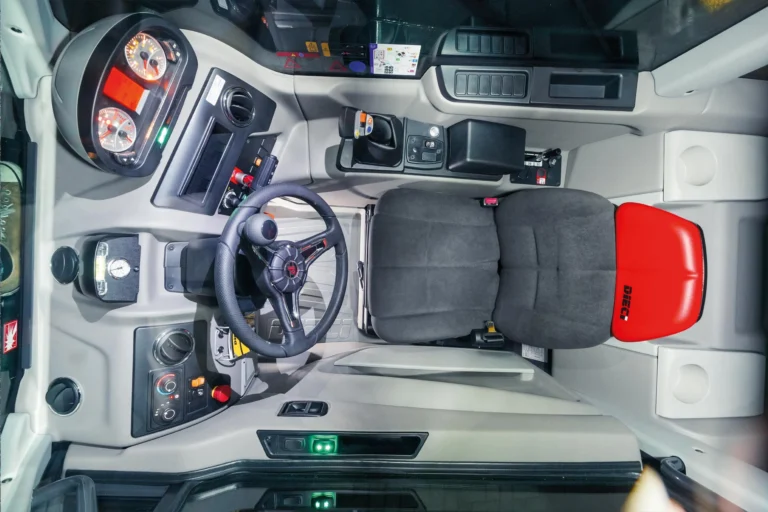
Every telehandler should have a legible, accurate load chart in the cab — matching its configuration and attachments. Using the wrong chart (or none at all) can directly lead to overloading and tip-overs.
Stability systems like boom interlocks, load sensors, and levelling mechanisms are essential tools, but they aren’t a substitute for training. As WHS regulators often remind us: safety systems are a backup, not a permission slip.
Common Compliance Pitfalls That Put Sites at Risk
From our experience working with sites across Australia, some of the most common WHS missteps include:
- Using attachments without considering derating
- Assuming all telehandlers are the same class
- Letting operator VOCs lapse
- Ignoring site terrain when selecting models
- Skipping scheduled servicing
These might seem minor until an incident occurs. Then it becomes a paper trail problem.
How to Choose a Telehandler That Supports WHS Compliance
Not all machines are created equal when it comes to safety. When evaluating telehandlers for compliance, look for:
- European engineering: Higher safety tolerances and component quality
- Australian market alignment: Machines designed for local WHS expectations
- Dealer support: Easy access to documentation, training, and service
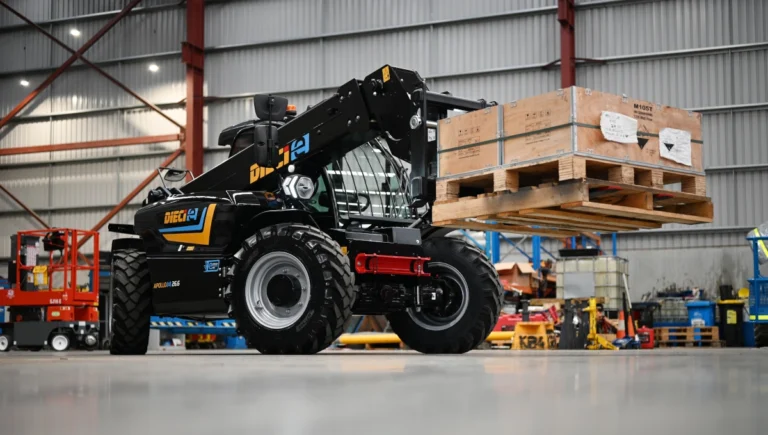
Dieci telehandlers are built with WHS in mind — from integrated load management systems to robust operator visibility. We support this with full documentation, training pathways, and service coverage across Australia.
Need Help With Compliance Planning?
Whether you’re scoping your first telehandler or reviewing your current fleet for WHS compliance, it helps to have expert guidance. Our team can walk you through your obligations, inspect your current equipment, and recommend models that reduce risk without compromising performance.
- Contact our team for a compliance consultation
- Find your nearest authorised service agent
- Download the full Telehandler Buyer’s Guide
Because when safety is non-negotiable, the right advice makes all the difference.