Why Electric Telehandlers Are a Smart Choice for Australian Work Sites
Australia’s construction, agriculture, and industrial sectors are evolving fast. With tighter environmental regulations, rising fuel costs, and increasing pressure to operate more efficiently, electric telehandlers are stepping into the spotlight. Once seen as niche equipment, they’re now becoming a practical, forward-thinking solution for many Australian worksites.
Here’s a closer look at why electric telehandlers are gaining traction, and why they might make sense for your operation.
1. Lower Operating Costs
Diesel prices in Australia have a habit of creeping up at the worst possible times. Electric telehandlers sidestep that problem almost entirely.
Charging costs are significantly lower than refuelling, especially if you’re running off-site power or integrating solar. On top of that, electric machines have fewer moving parts—no engine oil, fewer filters, and less wear overall—so maintenance costs drop as well.
Over time, this adds up to a noticeably lower total cost of ownership.
2. Zero Emissions On Site
Sustainability isn’t just a buzzword anymore, it’s becoming a requirement. Many Australian projects, particularly government and large-scale commercial builds, now demand lower emissions and greener practices.
Electric telehandlers produce zero exhaust emissions during operation. That means:
- Cleaner air for workers
- Compliance with stricter environmental standards
- Easier approval for eco-conscious projects
For indoor or enclosed environments, this is a massive advantage—no ventilation headaches, no fumes, no compromises.
3. Quiet Operation (Which Matters More Than You Think)
Noise is a bigger issue than most operators realise—until it becomes a problem.
Electric telehandlers run significantly quieter than diesel machines. This makes a real difference in:
- Residential construction zones
- Night or early-morning work
- Indoor environments like warehouses
Less noise improves working conditions and reduces complaints from nearby residents or businesses. It can even open up extended working hours on certain sites.
4. Strong Performance Without the Trade-Offs
There’s a lingering assumption that electric means “less powerful.” That’s outdated.
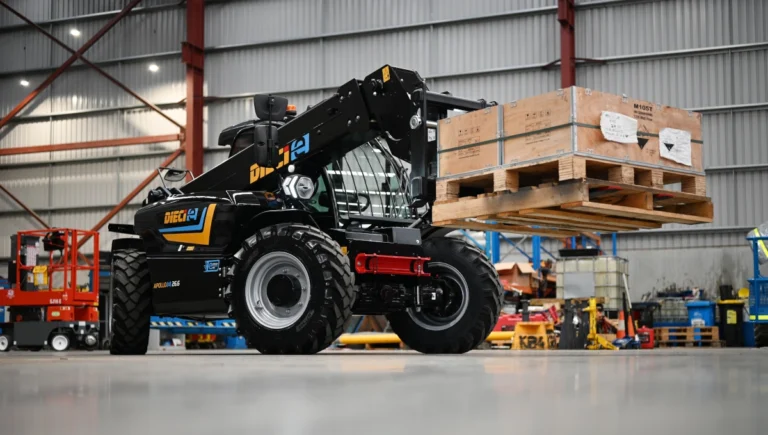
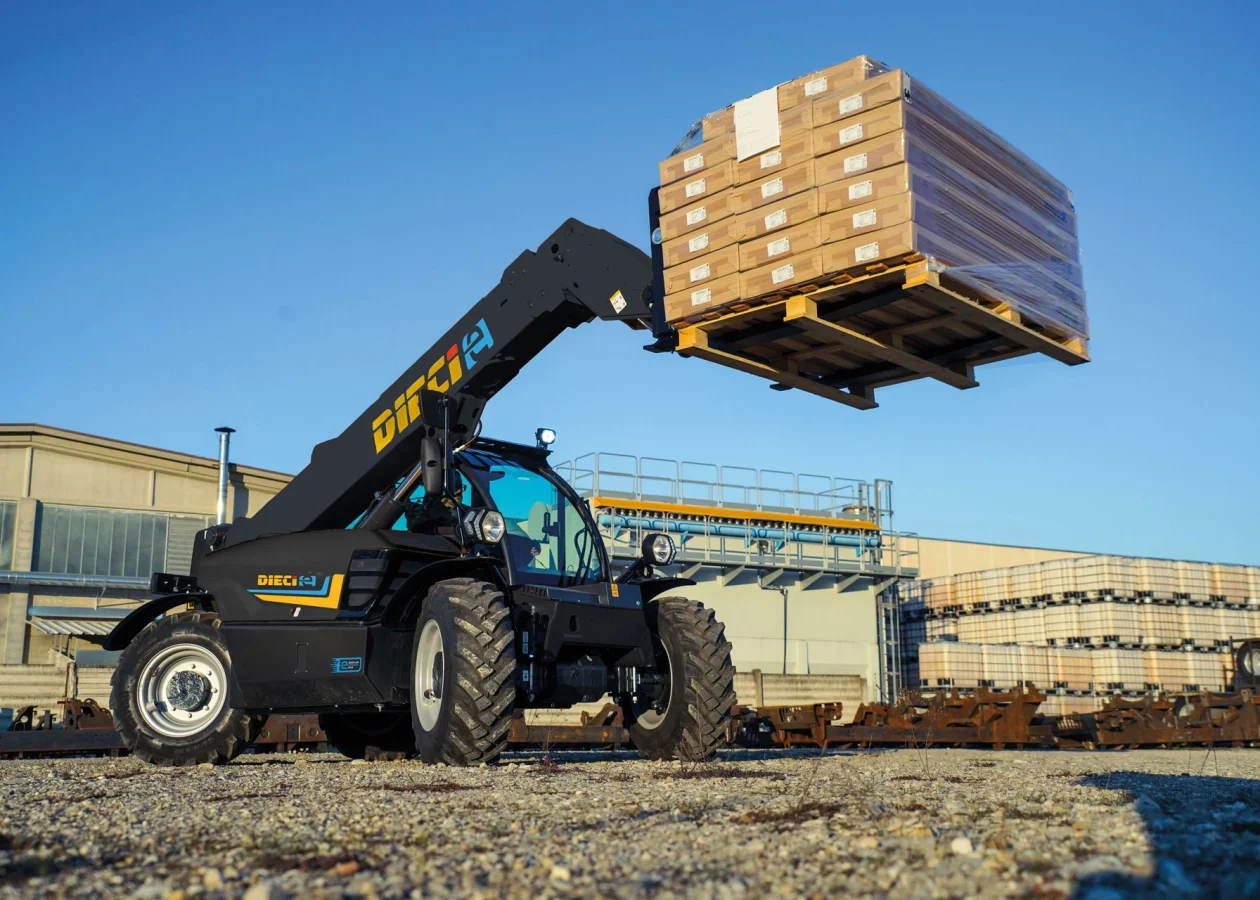
Modern electric telehandlers like the Apollo-e 2.6T telehandler deliver:
- Instant torque (great for lifting and maneuvering loads)
- Smooth, precise control
- Comparable lifting capacities to diesel equivalents
For most applications—especially in urban construction, warehousing, and agriculture – they perform just as well, if not better, than traditional machines.
5. Ideal for Indoor and Confined Spaces
Electric telehandlers excel in environments where diesel machines struggle.
Think:
- Warehouses
- Factories
- Tunnels
- Food processing facilities
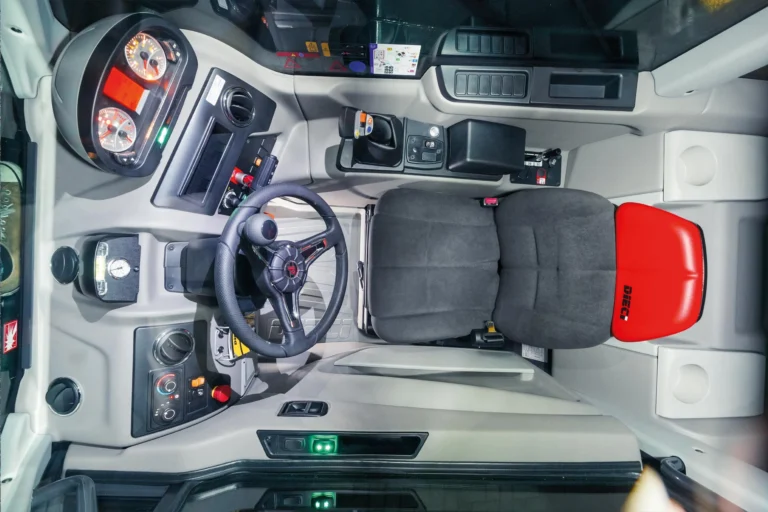
No fumes, less heat, and quieter operation make them safer and more comfortable for operators. Plus, their precise control helps reduce accidental damage in tight spaces.
6. Future-Proofing Your Fleet
The direction of the industry is clear: lower emissions, stricter regulations, and smarter equipment.
Investing in electric telehandlers now positions your business ahead of the curve. You’re not just solving today’s problems—you’re preparing for:
- Emissions regulations tightening further
- Clients demanding greener equipment
- Potential incentives or requirements for electric machinery
In other words, it’s not just an upgrade—it’s a strategic move.
7. Reduced Downtime and Simpler Maintenance
Diesel engines are complex. Electric systems? Much simpler.
With fewer components that can fail, electric telehandlers tend to offer:
- Less downtime
- Faster servicing
- Reduced maintenance scheduling
That means more uptime on site—and less time dealing with breakdowns.
8. Better Operator Experience
Operators notice the difference straight away.
Electric telehandlers provide:
- Smoother acceleration and handling
- Less vibration
- Lower noise fatigue
A more comfortable operator is usually a more productive (and safer) one.
Are Electric Telehandlers Right for Every Site?
Not always.
If you’re running remote projects with limited access to charging infrastructure, diesel may still be the practical choice – for now. But for urban, commercial, and indoor applications, electric machines like the Apollo-e 2.6T electric telehandler are quickly becoming the smarter option.
The Bottom Line
Electric telehandlers aren’t just a trend – they’re a shift in how Australian worksites operate.
They cut costs, reduce emissions, improve working conditions, and help future-proof your business. As battery technology continues to improve and infrastructure expands, their advantages will only become more compelling.
If you’re looking to modernise your fleet or stand out in a competitive market, electric telehandlers are well worth considering.