Choosing between a fixed or rotating telehandler isn’t just about machine features — it’s about how your team works, what your site demands, and where performance pays off.
So, how do you know which option is right for you?
This guide unpacks the key differences, pros and cons, and the real-world use cases that influence which model delivers the best value.
What’s the Difference Between Fixed and Rotating Telehandlers?
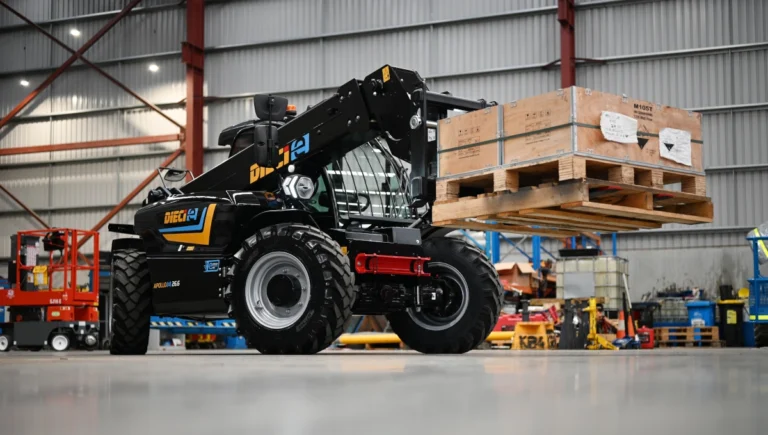
- Fixed Telehandlers have a non-rotating boom. They can lift, extend, and place loads, but the entire machine must reposition to change direction.
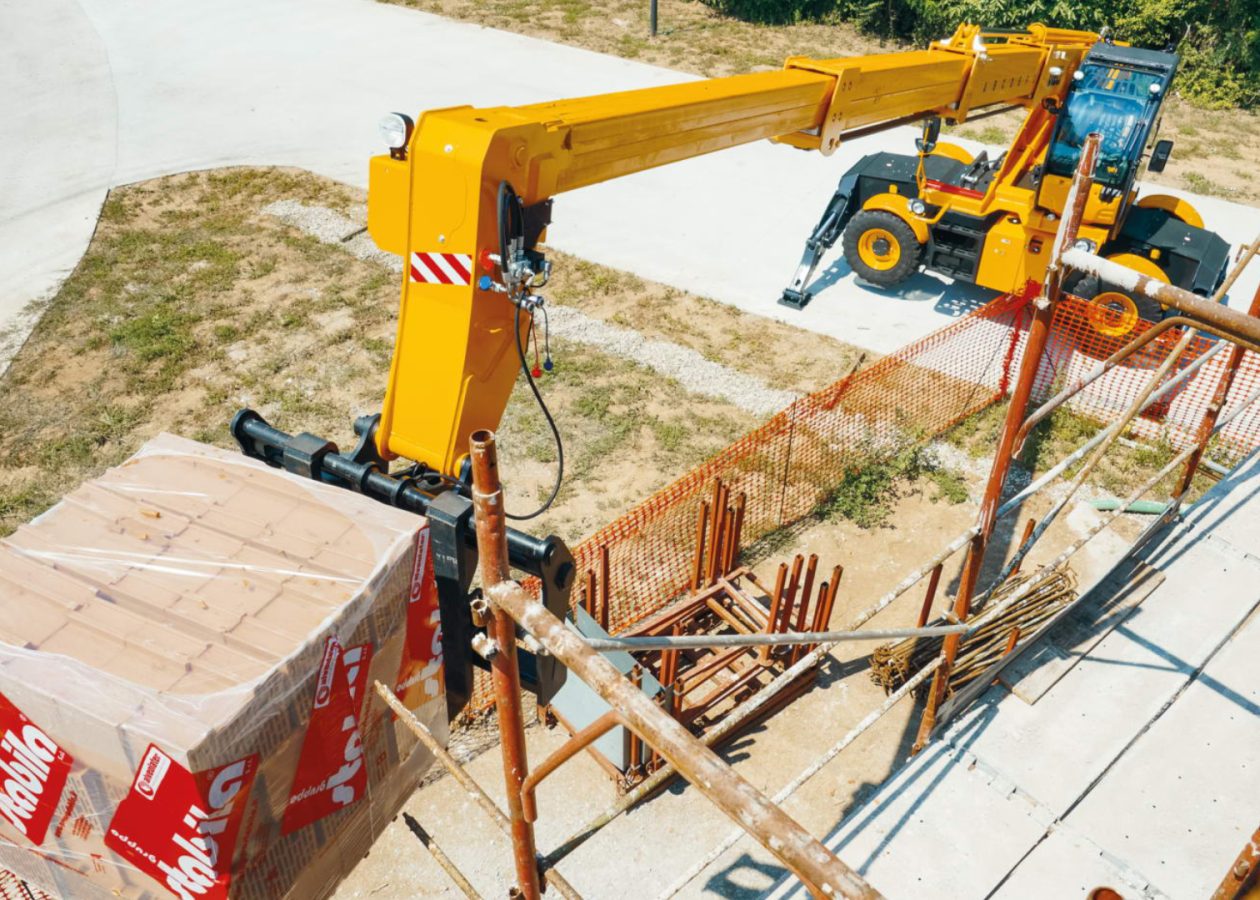
- Rotating Telehandlers (often called ‘Rotos’) have a turret-mounted boom that can rotate 360 degrees. This gives them crane-like versatility from a stationary base.
When a Fixed Telehandler Makes More Sense
Fixed telehandlers are ideal for straightforward pick-and-place tasks where you need reliability and simplicity.
- Perfect for agriculture, general construction, and material handling
- Lower capital cost and reduced complexity
- Easier to train operators
- Less maintenance than rotating models
If your work is repetitive, involves standard attachments, and doesn’t require dynamic placement angles, fixed is usually the smart choice.
When a Rotating Telehandler Adds Real Value
Rotating telehandlers shine in confined, high-value, or multi-directional work zones.
- Ideal for congested sites, vertical builds, or where space is tight
- Reduces machine repositioning (less ground disturbance)
- Acts as telehandler, crane and EWP in one unit
- Saves time on complex lift and place jobs
In civil, infrastructure, industrial maintenance, and even some agricultural setups, rotos can replace multiple machines with one versatile asset.
Side-by-Side Comparison
| Feature | Fixed Telehandler | Rotating Telehandler |
|---|---|---|
| Boom Movement | Lifts and extends only | 360° rotation + lift/extend |
| Cost | Lower upfront | Higher upfront investment |
| Footprint Efficiency | Requires repositioning | Can reach from one location |
| Operator Complexity | Easier to train | More controls to manage |
| Versatility | Forks, buckets, jibs | Forks, winches, man baskets |
| Best For | Ag & construction | Civil, industrial, tight sites |
Don’t Just Buy What You Know. Buy What You Need.
Most people default to what they’ve always used. But changing site conditions, project types, or regulations could mean a rotating model pays for itself.
Ask:
- Will rotating reduce repositioning time?
- Will it let you consolidate machines?
- Does your site restrict movement or space?
Sometimes the higher investment upfront is the cheaper option overall.
Why Dieci Offers Both Fixed and Rotating Models
Not every job needs a rotating telehandler. But when it does, nothing else compares.
That’s why Dieci offers a full range of both fixed and Roto machines — all built with European precision, backed by Australian service support.
- Wide range of sizes and specs
- Engineered for local terrain and safety standards
- Available with industry-specific attachments
Want to explore your options side-by-side?