Rotational Telehandlers: The Smarter Alternative to Crane Lifts on Construction Sites
On many Australian construction sites, mobile or truck-mounted cranes have traditionally been the go-to solution for lifting materials and components. While cranes remain essential for the heaviest and highest lifts, a growing number of contractors are finding that a rotational telehandler can handle a large proportion of everyday and mid-range crane work more efficiently, with greater flexibility and lower overall cost.
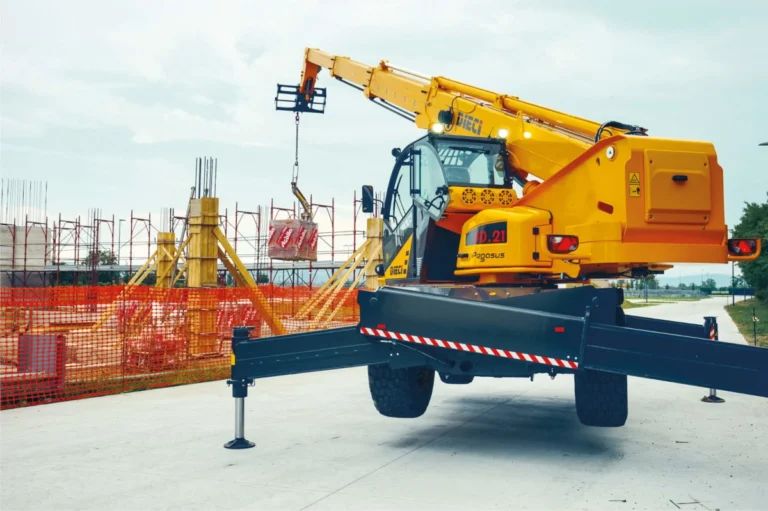
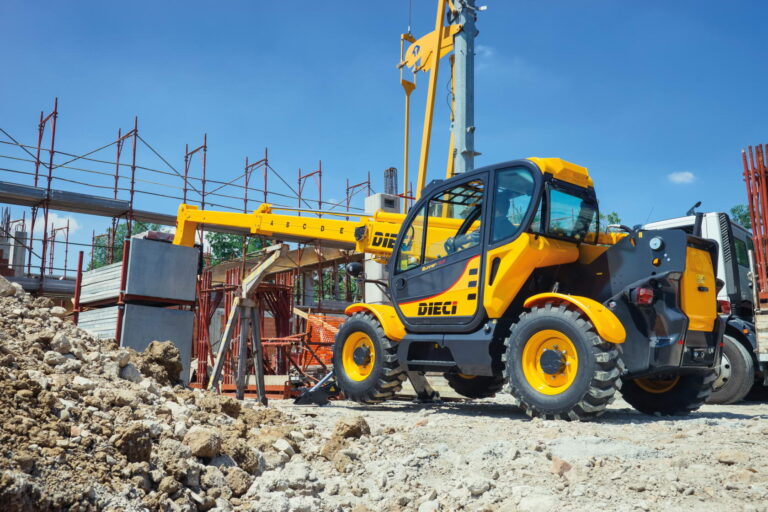
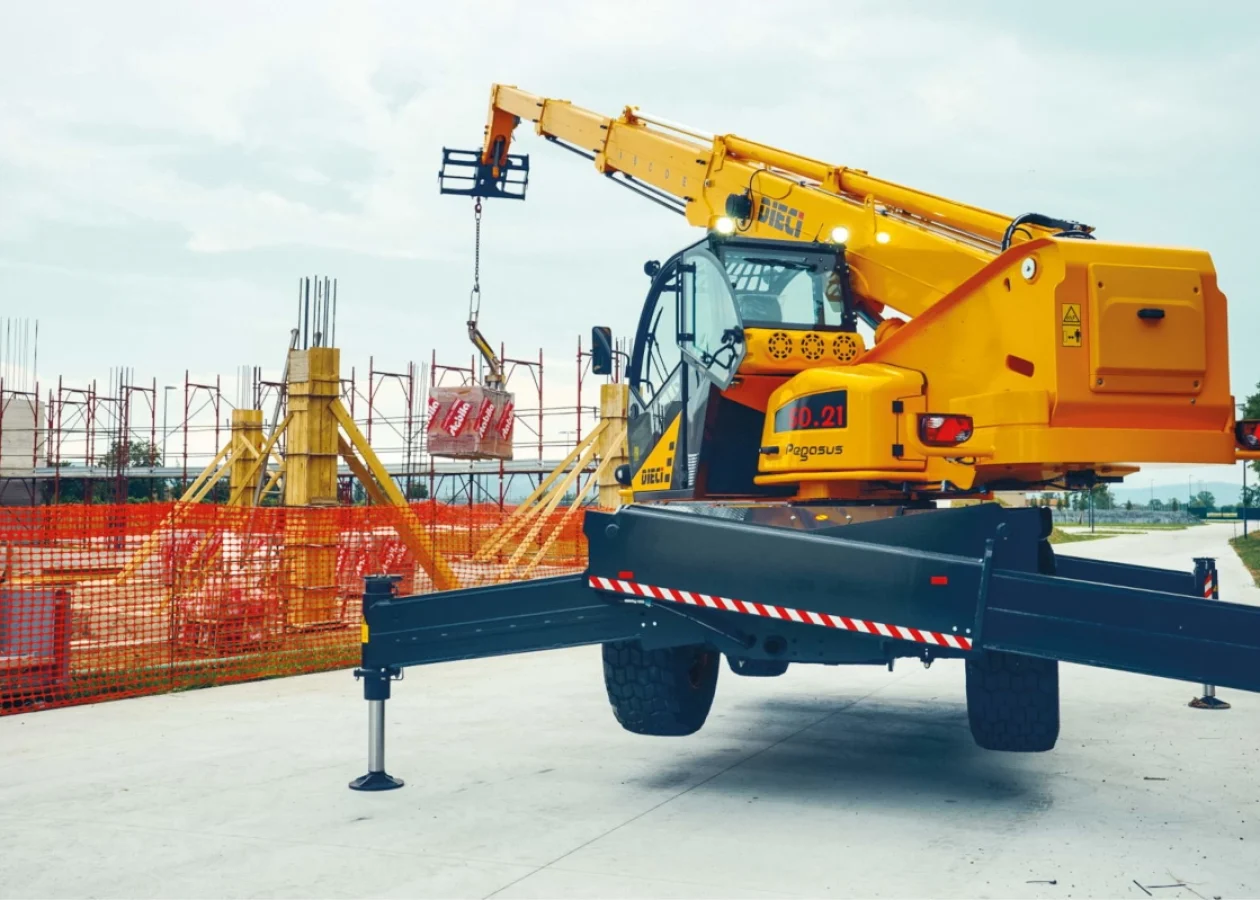
Dieci’s Pegasus range of 360° and 400° rotational telehandlers is specifically designed for this role. These machines combine the reach and lifting capability of a telehandler with the ability to rotate the upper structure, allowing them to perform many of the tasks previously reserved for cranes — while remaining highly mobile around the site.
Why Rotational Telehandlers Are Replacing Many Crane Lifts
Unlike fixed-boom telehandlers, rotational models can slew the boom through a full 360° or 400°. This gives them true crane-like functionality without the same setup time, exclusion zones or mobilisation costs.
Key advantages include:
1. Crane-style lifting with far greater mobility
A rotational telehandler can position loads accurately around the machine without constantly repositioning the chassis. This is especially valuable on congested or partially completed sites where space is limited.
2. Significant height and outreach capability
Dieci Pegasus models offer maximum lift heights of up to 25 metres and strong forward reach, covering a wide range of mid-rise residential, commercial and civil applications that would otherwise require a crane.
3. Dual functionality — crane and elevated work platform
Many rotational telehandlers can be configured with work platforms, allowing the same machine to perform both materials lifting and personnel access duties. This reduces the number of specialised machines needed on site.
4. Faster mobilisation and lower daily costs
A Pegasus telehandler can drive onto site, set up quickly and begin working. There is no need for extensive outrigger setups, road permits or specialist crane crews for many routine lifts. For intermittent or multi-location work, the cost difference is often substantial.
5. Precision control and operator efficiency
Hydrostatic transmissions, advanced hydraulic systems and excellent visibility allow operators to place loads accurately and safely. Continuous rotation further improves workflow compared with fixed-boom machines that must constantly reposition.
Ideal Applications on Australian Construction Sites
Dieci rotational telehandlers are regularly used to:
- Place palletised materials, precast panels and structural components at height
- Handle formwork, falsework and building materials on multi-storey projects
- Perform limited crane duties in tight urban or constrained sites
- Support civil and infrastructure works with both lifting and access capabilities
- Reduce the frequency of external crane call-outs for mid-range lifts
In practice, many contractors find that a rotational telehandler covers the majority of day-to-day lifting requirements, with a conventional crane only required for the most extreme capacities or heights.
Choosing the Right Dieci Rotational Model
Dieci’s Pegasus range includes several 360° and 400° models with capacities typically from around 3.8 t to 5 t and lift heights extending well into the mid-teen and higher metre ranges. Selection should be based on:
- Required maximum capacity and load chart at working height/outreach
- Maximum lift height needed
- Site constraints (space, ground conditions, access)
- Whether work platform capability is also required
Your Dieci Australia representative can match the most suitable Pegasus model to your typical lift profile.
Important Safety and Operational Notes
Rotational telehandlers are powerful and versatile, but they are not a universal replacement for every crane task. Extreme heavy lifts, very high reaches or complex multi-crane operations still require specialist crane equipment and operators. Always operate strictly within the machine’s load chart, use correctly rated attachments, and comply with Australian standards and site-specific safety procedures.
When specified and operated correctly, however, a Dieci rotational telehandler can significantly reduce crane dependency, improve site productivity and lower overall project costs.
Talk to Dieci Australia About Rotational Telehandlers
Dieci Australia supplies the full Pegasus range of 360° and 400° rotational telehandlers, engineered for Australian construction conditions and supported by branches in Sydney, Melbourne, Brisbane and Perth, plus a national parts and service network through AWD Australia.
To discuss which rotational model best suits your sites, or to arrange a demonstration, contact the team on 1300 888 479 or visit dieciaustralia.com.au.
Greater reach. Full rotation. Fewer crane bookings.
FAQs
Can a rotational telehandler completely replace a crane on every construction site?
No. Rotational telehandlers (such as Dieci’s Pegasus range) are highly effective for many mid-range lifts, material placement and some elevated access work. However, very heavy single loads, extreme heights or complex multi-crane operations still require specialist crane equipment and operators. The best results come from using a rotational telehandler for routine and mid-range lifts, reserving cranes for the tasks that genuinely need them.
What are the main advantages of a 360° or 400° rotational telehandler over a fixed-boom model when replacing crane lifts?
Warranty coverage can help protect your investment against certain faults during the covered period. Check the warranty duration, operating-hour limits, exclusions and claims process before purchasing, as coverage can vary between models.
How high and heavy can Dieci rotational telehandlers lift?
Dieci’s Pegasus range of 360° and 400° rotational telehandlers offers maximum lift heights of up to 25 metres and capacities typically in the 3.8 t to 5 t range (depending on the specific model and configuration). Exact performance depends on the load chart at the required height and outreach. Your Dieci Australia representative can match the right model to your typical lifts.
Are rotational telehandlers more cost-effective than hiring a crane for regular site work?
For the many lifts that fall within a rotational telehandler’s capacity and reach, yes — often significantly so. They mobilise faster, require less setup time and exclusion space, can move around the site under their own power, and avoid the higher daily rates and logistics of crane hire for intermittent or multi-location work. Cost savings are usually greatest on projects with frequent mid-range lifting needs.
What support does Dieci Australia provide for rotational telehandlers?
Dieci Australia supplies the full Pegasus range and backs it with branches in Sydney, Melbourne, Brisbane and Perth, plus a national parts and service network through AWD Australia. Genuine parts, trained technicians and strong after-sales support help keep machines productive and minimise downtime. Contact the team on 1300 888 479 or visit dieciaustralia.com.au to discuss models, demonstrations or support options.