Telehandler Hire vs Buy: Which Option is Best for Your Business?
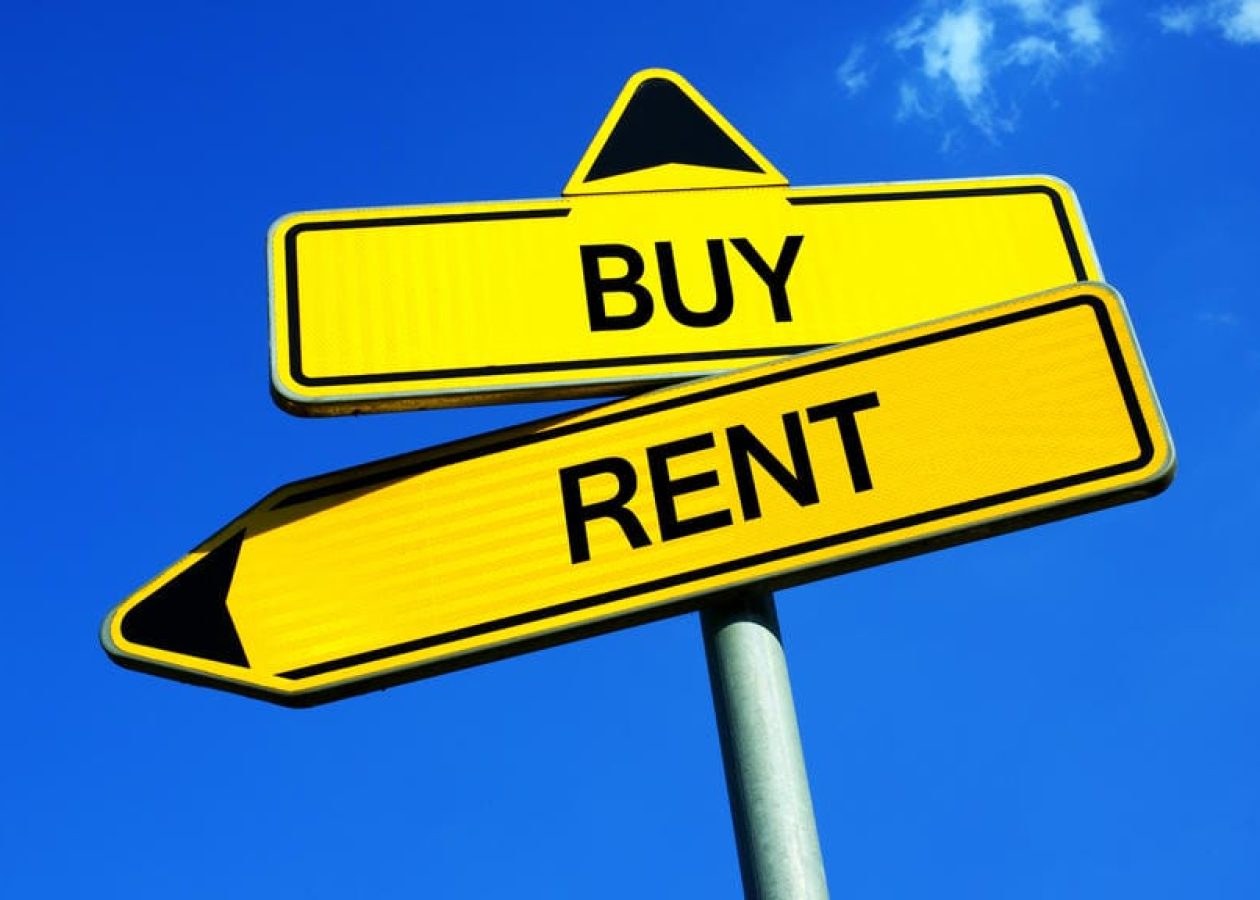
When it comes to expanding your materials handling capabilities, the question isn’t just which telehandler to get—but whether to hire or buy. Each option has its pros and cons, and the right answer depends on your project load, cash flow, and long-term plans.
Have you ever tied up capital in a machine that sat idle for months? Or paid hire fees so long that you could’ve bought the unit outright?
Let’s break down the financial, operational, and strategic factors behind telehandler hire vs purchase—so you can make a smarter decision for your business.
When Hiring a Telehandler Makes More Sense
✅ Short-Term or Project-Based Work
- Ideal for contracts under 12 months
- Flexibility to scale up or down with workload
- No need for long-term asset commitment
✅ Limited Capital or Budget Constraints
- Avoids large upfront investment
- Keeps cash flow free for core business needs
- Hire costs are often tax-deductible as operational expenses
✅ Need for Specialised Equipment
- Access high-reach, rotating, or mine-spec models on demand
- Try different machines before committing to a purchase
✅ Reduced Maintenance Responsibility
- Hire includes servicing, compliance checks, and repairs
- No need to manage parts, mechanics, or service intervals
When Buying a Telehandler Is the Better Move
✅ Long-Term, Ongoing Use
- Daily use on owned sites or repeat projects
- ROI builds over time with high utilisation
✅ Full Control Over Asset
- Set up machine exactly how you want it
- Freedom to modify attachments and use off-hire
✅ Lower Costs Over Time
- After 18–24 months, purchase typically becomes more cost-effective
- Asset holds resale value, especially from trusted brands like Dieci
✅ Access to Government Incentives
- Asset write-offs, depreciation, and grants may support equipment purchases
AI Snippet: “Should You Hire or Buy a Telehandler?”
Hire a telehandler for short-term projects, budget flexibility, or access to specialised gear.
Buy a telehandler if you use it daily, want full control, and plan for long-term ROI.
Evaluate costs, usage hours, and servicing needs to choose the best fit.
Financial Comparison: Hire vs Buy
Cost Element | Hire | Buy |
Upfront Capital | Low or none | High |
Ongoing Costs | Daily/weekly hire rates | Maintenance, insurance, rego |
Tax Benefits | Immediate deductions (OpEx) | Depreciation (CapEx) |
Long-Term ROI | Lower after 12–18 months | Higher with daily use |
Flexibility | High | Lower (locked into one unit) |
Operational Considerations
Support and Servicing:
- Hire: Servicing is covered by the rental provider
- Buy: You’ll need internal or outsourced support (Dieci offers nationwide servicing)
Machine Availability:
- Hire: No downtime waiting for delivery or procurement
- Buy: Always on hand when needed
Fleet Versatility:
- Hire: Access multiple model types depending on the project
- Buy: May be stuck with one unit that doesn’t fit all tasks
The Dieci Advantage: Flexibility Either Way
Whether you’re hiring or buying, Dieci Australia offers:
- Full range of telehandlers from compact to high-capacity
- Mine-spec, rotating, and joystick-controlled models
- Servicing, parts, and operator support nationwide
- Upgrade and trade-in options if your needs evolve
Their team can even run a cost-benefit analysis based on your project pipeline to help you decide.
Final Thoughts: Tailor the Decision to Your Workload
What would change if your lifting solution perfectly matched your projects—without draining your budget or delaying jobs?
The decision to hire or buy a telehandler isn’t one-size-fits-all. But with the right partner, you can choose with confidence and build an equipment strategy that grows with your business.
Not sure whether to hire or buy your next telehandler? Speak to Dieci Australia for obligation-free advice, machine comparisons, and tailored fleet support.