Telehandlers have come a long way from basic lifting machines. With smart tech, hybrid engines, and real-time diagnostics entering the field, the future of materials handling is intelligent, efficient, and safer than ever.
Have you ever wondered what telehandlers might look like in five years? Or what innovations could save your business time, fuel, and compliance headaches?
Here’s a look at the next wave of telehandler technology—and how it’s reshaping construction, mining, agriculture, and more.
The Evolution of the Modern Telehandler
Telehandlers have evolved from simple telescopic handlers into multi-role, digitally enabled workhorses. Today’s machines feature:
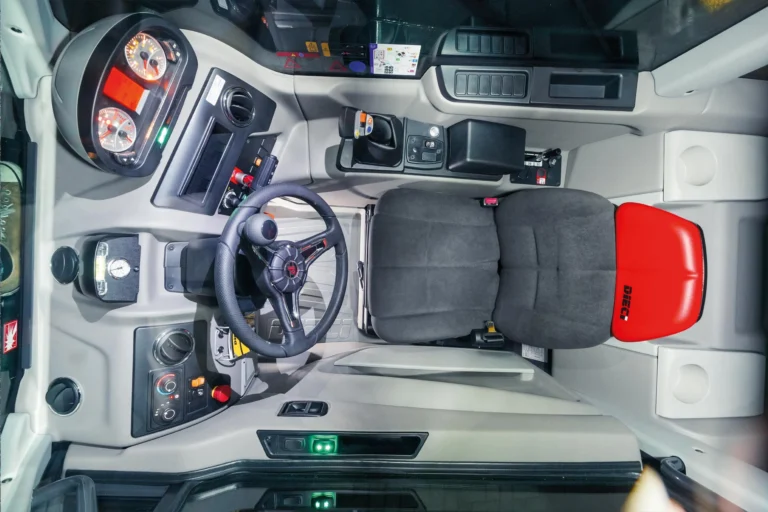
- Joystick precision controls
- Quick-hitch attachment swaps
- Tier 4/Stage V compliant engines
- Integrated load sensors and stability controls
But that’s just the beginning. Let’s look at what’s coming next.
“What’s the Future of Telehandler Technology?”
Expect smarter, cleaner, and more connected machines.
Future telehandlers will feature:
- Telematics for real-time performance tracking
- Hybrid or electric powertrains
- AI-assisted load stability systems
- Enhanced safety automation and remote diagnostics
1. Telematics and Smart Monitoring
Advanced telematics will allow operators and fleet managers to:
- Track fuel usage and maintenance intervals
- Receive alerts for faults or unsafe operating conditions
- Monitor usage by attachment type and terrain
- Integrate with fleet management platforms for planning
Why it matters: Less downtime, predictive maintenance, and stronger ROI.
2. Electrification and Hybrid Engines
With increasing pressure to cut emissions on worksites, telehandler OEMs are developing:
- Full-electric models for indoor or low-emission zones
- Hybrid diesel-electric systems for power and efficiency
- Swappable battery packs to minimise refuelling downtime
Why it matters: Reduced carbon footprint, quieter operation, and compliance with tightening environmental standards.
3. Operator Assist and Semi-Autonomous Features
Emerging technologies include:
- AI-based stability correction in real time
- Boom guidance based on load weight and wind sensors
- 360° cameras and LiDAR for obstacle detection
- Anti-tip systems with auto shut-off
Why it matters: Fewer operator errors and enhanced safety for complex tasks.
4. Attachment Recognition and Load Adjustment
Future machines will be able to:
- Auto-recognise attachments as they are connected
- Adjust hydraulic flow and load limits accordingly
- Prevent unsafe operation with mismatched tools
Why it matters: Reduces human error and makes operators more efficient.
5. Integrated Site Management Tools
Some manufacturers are working on systems that integrate telehandlers into broader site operations:
- Geofencing for safety zones
- On-screen delivery scheduling
- Machine allocation to teams or zones
Why it matters: Greater visibility and coordination on large-scale projects.
What This Means for Australian Operators
As these technologies evolve, expect:
- Tighter compliance with mining and Tier 1 construction standards
- More emphasis on VOC training and digital interfaces
- Opportunities to reduce servicing costs through predictive tech
- Competitive advantage for companies that adopt early
How Dieci is Preparing for the Future
Dieci Australia is investing in:
- Advanced telematics partnerships
- Electric and hybrid-ready models
- Enhanced joystick control and operator safety systems
- Machine-to-site connectivity tools
They’re also working with OEMs and RTOs to ensure training keeps pace with tech.
Final Thoughts: Get Ahead of the Curve
What would change if your next telehandler could diagnose faults before they happen, adjust itself to each task, and use less fuel—without losing power?
The next generation of telehandlers isn’t just about lifting higher. It’s about working smarter. And those who adopt the right tech early will lead the field.
Want to future-proof your fleet? Talk to Dieci Australia about next-gen telehandlers, technology upgrades, and smart site solutions.