Every telehandler is a workhorse but even the toughest machines can be brought down by a missed service interval or unchecked component wear. If your machine is down, your job is too.
Have you ever had to stop a project because a telehandler lost hydraulics, overheated, or threw a warning code, only to find it was avoidable?
This guide walks you through how to schedule telehandler maintenance effectively so you reduce downtime, extend machine life, and stay compliant.
Why Preventive Maintenance Matters
Preventive maintenance isn’t just about fixing what breaks, it’s about stopping problems before they start:
- Keeps your machine compliant with WHS and site safety
- Prevents costly breakdowns and replacements
- Reduces emergency repair costs
- Ensures consistent performance on-site
“How Often Should You Service a Telehandler?”
Service intervals vary, but as a general rule:
- Daily: Pre-start checks
- Every 250 hours: Basic service (filters, fluids, inspections)
- Every 500–1,000 hours: Deep servicing (brakes, hydraulics, electronics)
Always follow the OEM’s manual and log all maintenance.
Daily & Weekly Checks for Operators
Before every shift, operators should:
- Check fluid levels (engine oil, coolant, hydraulics)
- Inspect tyres for damage and correct pressure
- Test brakes, steering, and horn
- Inspect forks, attachments, and boom locks
- Review the last service log
Weekly checks may include:
- Battery terminals and electrolyte levels
- Boom wear pads and pivot points
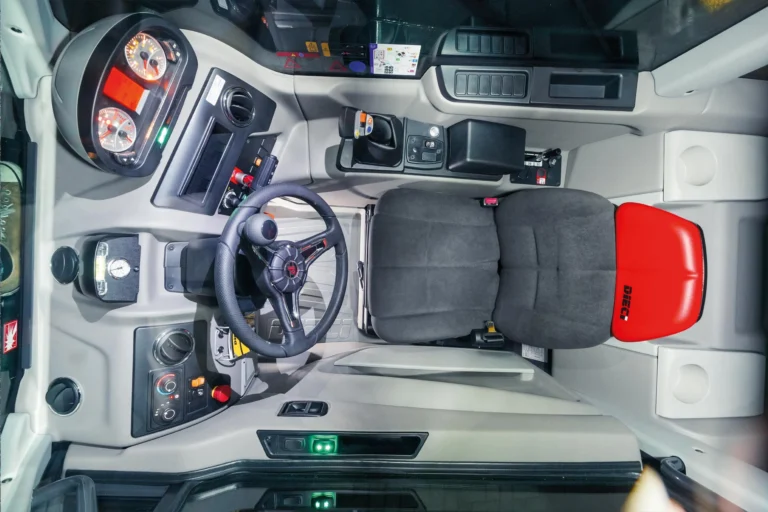
- Cabin controls, displays, and alert lights
OEM-Recommended Service Intervals
Every 250 Hours:
- Oil and filter change
- Hydraulic filter inspection
- Lubricate pivot points and lift cylinders
Every 500 Hours:
- Fuel filter replacement
- Cooling system flush (if required)
- Check all electrical connectors
Every 1,000+ Hours:
- Brake wear and hydraulic system diagnostics
- Boom component inspection and re-torque
- Calibration of load sensors and angle sensors
Create a Maintenance Calendar
Use your telehandler’s usage logs to:
- Track hours between services
- Set automated reminders or alerts
- Align servicing with site rosters or downtime windows
For fleets: Use telematics software to monitor machine status in real time.
Signs You’re Overdue for Maintenance
- Jerky or slow boom operation
- Unusual hydraulic noise
- Warning lights ignored or silenced
- Oil leaks or overheating after short use
- Attachment drift or poor response
These are signs of wear or neglect – don’t delay servicing once they appear.
How Dieci Australia Supports Reliable Maintenance
Dieci Australia provides:
- OEM service schedules tailored to your model
- Access to genuine parts and filters
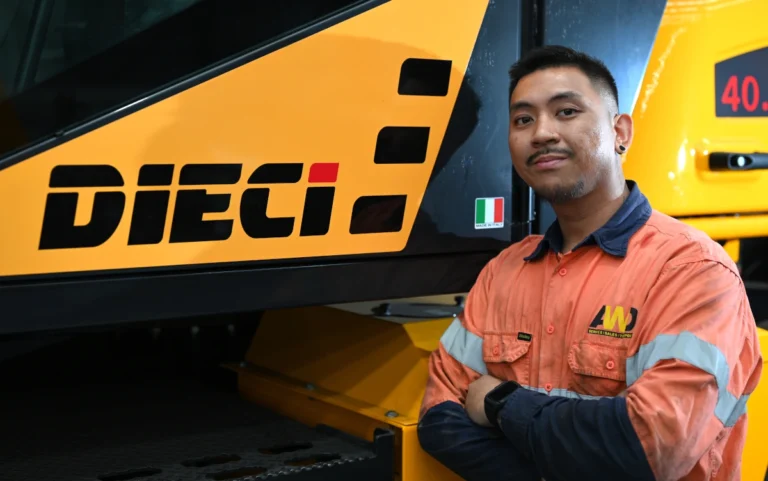
- National network of trained service technicians
- On-site servicing for remote or high-use locations
They also help you set up pre-start checklists and compliance-friendly service logs.
Final Thoughts: Maintain to Operate, Don’t Wait to Repair
What would change if your telehandler never broke down mid-job again? Or if you could plan servicing instead of reacting to failures?
That’s the power of preventive care. With the right schedule and support from a partner like Dieci you can keep your machines moving, your sites safe, and your deadlines on track.
Need a maintenance plan for your fleet or site? Contact Dieci Australia for tailored service schedules, OEM support, and fast-response field technicians.