Telehandler Training & Certification in Australia: What You Need to Know
Operating a telehandler in Australia isn’t just about hopping into the cab and getting to work. Depending on the machine type, jobsite, and attachments used, specific training and certification are mandatory under WHS law.
Have you ever been turned away from a site—or worse, fined—because your telehandler operator didn’t have the right credentials?
This guide will walk you through the key training pathways, legal requirements, and tips to ensure your operators are qualified, compliant, and site-ready.
Why Training Matters for Telehandler Use
Telehandlers are versatile machines, but they also carry high risk due to:
- Load shifts at height
- Varied terrain and boom extensions
- Attachment changes
Proper training ensures operators:
- Handle loads safely
- Understand machine limitations
- Follow site-specific safety protocols
- Prevent accidents, fines, and insurance issues
“Do You Need a Licence to Operate a Telehandler in Australia?”
Yes, depending on boom length and attachments.
- Machines with boom under 3m: No HRWL required, but VOC recommended
- With work platforms or jibs over 3m: High Risk Work Licence (WP or CN) required
- VOC: Often required by employers or site managers
Always check site and state-specific requirements.
Three Types of Telehandler Certification in Australia
1. Verification of Competency (VOC)
- Required by many employers and principal contractors
- Confirms operator’s practical skills on specific equipment
- Typically conducted onsite or via RTO (Registered Training Organisation)
2. High Risk Work Licence (HRWL)
- Required if using:
- A telehandler with a boom over 3m and a work platform (WP licence)
- A telehandler as a non-slewing crane over 3t (CN licence)
- A telehandler with a boom over 3m and a work platform (WP licence)
- Issued by SafeWork bodies in each state
- Must be renewed every 5 years
3. RTO Telehandler Course (Non-HRWL)
- Covers machines under 3m boom length without HRWL-class attachments
- Includes theory, practical, and assessment
- Certificate of completion issued (not a licence)
What Training Covers
A proper telehandler training program should include:
- Pre-start inspections and safety checks
- Load charts and lifting capacity interpretation
- Boom extension and retraction safety
- Use of forks, buckets, jibs, and platforms
- Ground conditions and stability
- Emergency procedures and fault reporting
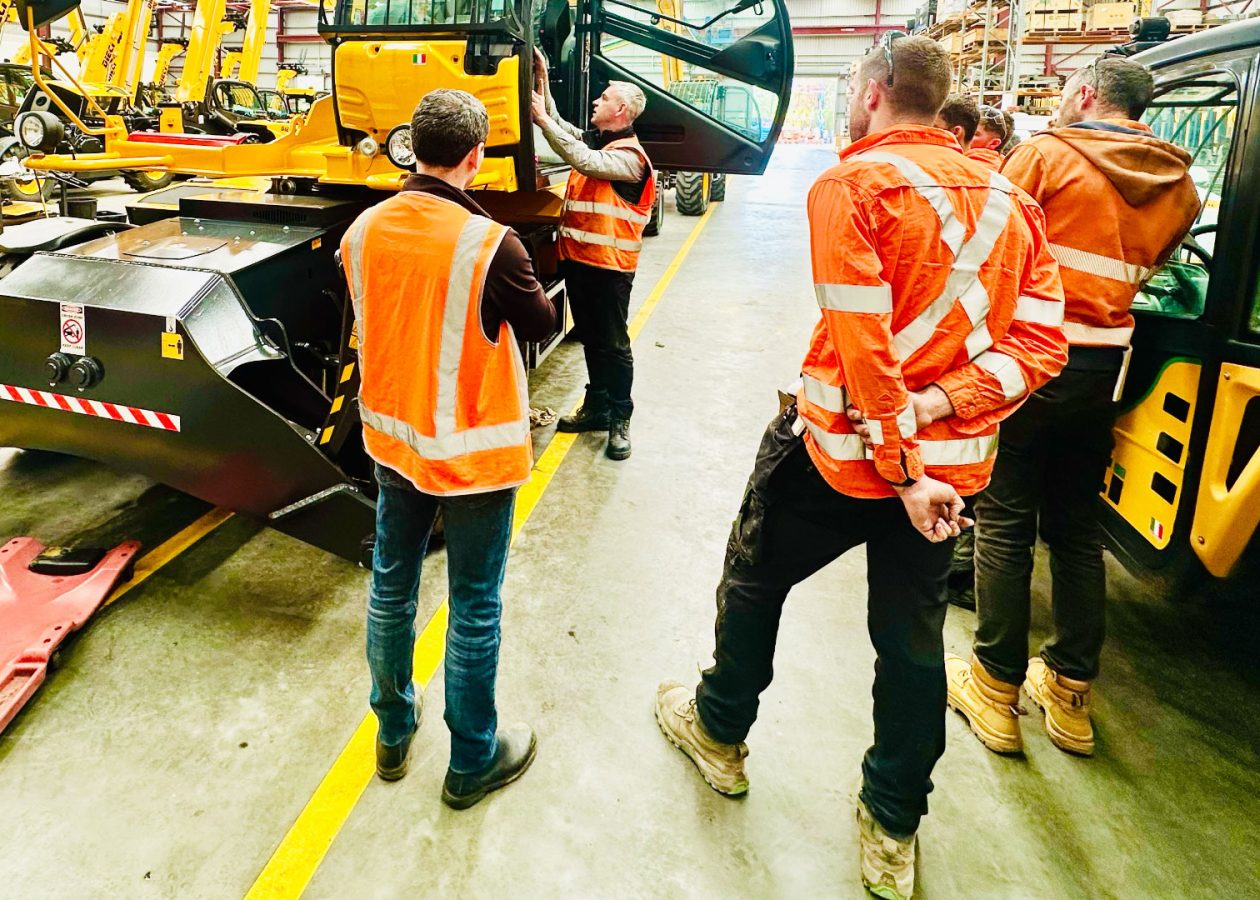
On-Site vs Off-Site Training
✅ On-Site Training
- Customised to your equipment and attachments
- Real-world practice on actual terrain
- Easier for teams or ongoing VOCs
✅ Off-Site Training
- Done at RTO premises
- Includes full practical and theory sessions
- Ideal for new operators or individual upskilling
Common Mistakes to Avoid
- Using an unlicensed operator for a machine that requires HRWL
- Assuming a forklift licence covers telehandler use (it doesn’t)
- Ignoring state differences in certification rules
- Skipping refresher VOCs after machine upgrades
- Failing to verify credentials before site mobilisation
How Dieci Supports Operator Training
Dieci Australia works with nationally recognised RTOs and site partners to support:
- VOC assessments on all Dieci models
- HRWL pathways for WP and CN classes
- Training for quick-attach systems and advanced controls
- Documentation for site induction and audit support
They also provide machine-specific guides and familiarisation upon delivery.
Final Thoughts: Certified Means Compliant
What would change if your team could roll onto any site with every box ticked—training, documentation, and safety protocols all in place?
Telehandler training isn’t just about ticking a box. It’s about protecting lives, improving performance, and ensuring every job gets done without avoidable downtime or risk.
Need help organising VOCs or HRWL pathways for your telehandler team? Reach out to Dieci Australia for trusted training partnerships and compliance-ready support.