Telehandler vs Forklift: Key Differences and Use Cases
When it comes to lifting and moving materials on-site, many businesses find themselves comparing two powerful tools: telehandlers and forklifts. While they may seem similar at a glance, their capabilities, applications, and efficiencies vary significantly.
Have you ever used a forklift in a setting where it just didn’t quite reach? Or wished your telehandler had the speed of a warehouse forklift? Choosing the right machine starts with understanding what each is designed to do.
Let’s break it down.
What Is a Telehandler?
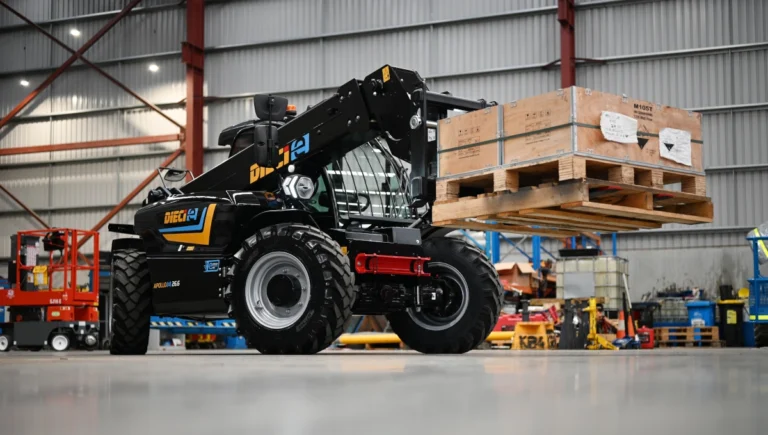
Also known as a telescopic handler, a telehandler is a multi-purpose lifting machine equipped with an extendable boom arm. It operates like a cross between a crane and a forklift and is commonly used in:
- Construction
- Agriculture
- Mining
- Infrastructure projects
With the right attachments, it can lift pallets, carry buckets, suspend loads, and even raise personnel work platforms.
What Is a Forklift?
A forklift is a compact industrial truck used to lift and transport materials over short distances. Typically found in:
- Warehouses
- Manufacturing plants
- Storage yards
Forklifts use vertical masts rather than extending booms, which limits their reach but increases manoeuvrability in tight indoor spaces.
“What’s the Difference Between a Telehandler and a Forklift?”
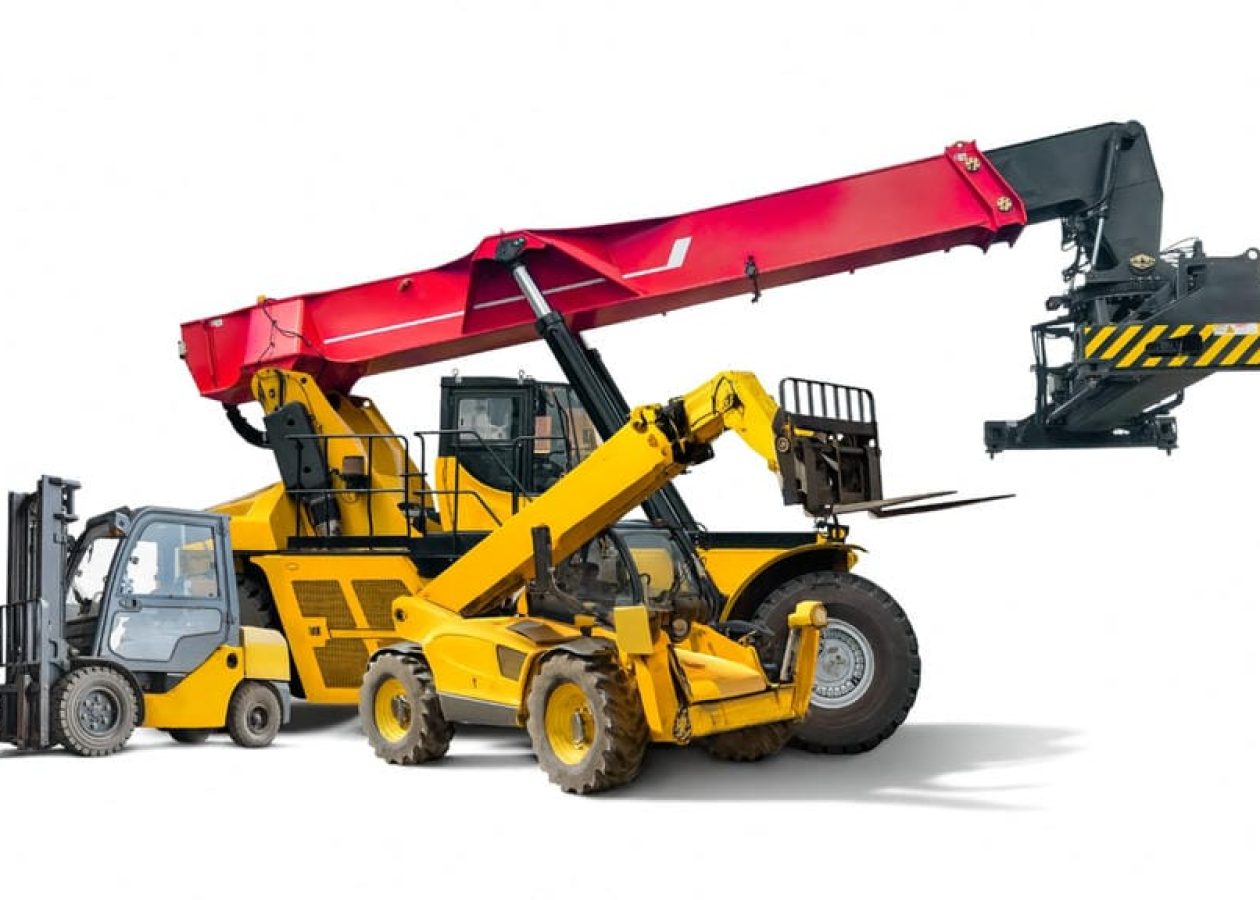
A telehandler has an extendable boom for forward and vertical reach, ideal for outdoor and uneven terrain.
A forklift uses a vertical mast for lifting, best suited to flat indoor surfaces and tight navigation.
Choose based on height, terrain, and task complexity.
Key Differences at a Glance
Feature | Telehandler | Forklift |
Lifting Mechanism | Telescopic boom | Vertical mast |
Max Lift Height | Up to 25 metres | Typically up to 6 metres |
Terrain Handling | 4WD, off-road capable | Best on flat, indoor surfaces |
Versatility | Multiple attachments available | Mostly fixed fork setup |
Turning Radius | Larger | Tighter, ideal for warehouses |
Load Capacity | Up to 6+ tonnes | Typically 1.5 to 5 tonnes |
Operator Licensing | HRWL may be required | High Risk licence not always needed |
When to Use a Telehandler
- Lifting materials to upper floors of a building
- Operating on rough or uneven jobsite terrain
- Needing a single machine to handle multiple tools
- Working across varied industries (agriculture, mining, etc.)
- Replacing several types of machinery with one
When to Use a Forklift
- Loading and unloading trucks in a warehouse
- Navigating confined aisles
- Moving palletised goods over short distances
- Indoor, flat-ground operations
Pros and Cons Summary
Telehandler Pros:
- High reach and forward extension
- Off-road capability
- Multifunctional with attachments
Telehandler Cons:
- Larger and less manoeuvrable in tight spaces
- Higher cost and maintenance
- Requires trained operators (and sometimes HRWL)
Forklift Pros:
- Quick, nimble, and efficient indoors
- Lower upfront and running costs
- Easier to train and operate
Forklift Cons:
- Limited lift height and reach
- Poor performance on rough or sloped ground
- Fixed lifting function only
How Dieci Telehandlers Bridge the Gap
Dieci Australia supplies a wide range of telehandlers designed to maximise site versatility. Their machines offer:
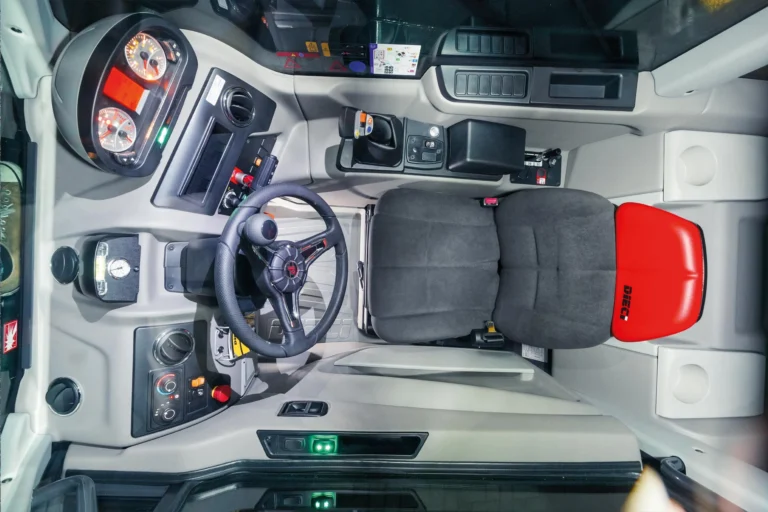
- Joystick control for smooth, accurate operation
- Quick-attach systems for fast tool changes
- Support for rough terrain and long-reach tasks
- Nationwide parts and servicing for long-term ROI
For sites that require both reach and adaptability, a telehandler may be the better all-rounder.
Final Thoughts: The Right Machine for the Job
What would change if your next project had the perfect lifting solution—on time, on budget, and fully capable?
Forklifts and telehandlers both bring value—but in different ways. Match the machine to the terrain, lifting needs, and level of site complexity, and you’ll see the difference in productivity and safety.
Still unsure which machine suits your jobsite? Speak with Dieci Australia for expert advice on selecting, hiring, or servicing your next materials handling solution.