Telehandler vs Crane: When Each Makes Sense on a Construction Site
When you need to lift, move, or position heavy materials on a jobsite, you’re likely choosing between a telehandler or a crane. Both are powerful, purpose-built machines—but they serve very different roles. So how do you know which one is right for your project?
Have you ever hired a crane only to realise a smaller, more versatile telehandler could have done the job faster and cheaper? Or found your telehandler struggling with a task that clearly needed more vertical lift?
Let’s break it down.
Understanding the Core Differences
Cranes are purpose-built for vertical lifting—raising heavy objects high and positioning them precisely. They’re ideal for towering structures, heavy steelwork, or lifting loads several stories up.
Telehandlers, on the other hand, are designed for versatility. They offer good lifting height and load capacity but shine in their ability to navigate terrain, change attachments, and perform multiple materials handling tasks.
“Should I Use a Crane or Telehandler?”
Use a crane for heavy, high lifts where precision and vertical reach are essential.
Use a telehandler for lower lifts, terrain work, or when you need one machine to do multiple jobs like lifting, moving, and loading materials. Telehandlers are often more cost-effective for mid-level lifting needs.
When to Use a Telehandler
Best for:
- Multi-tasking with attachments (forks, buckets, jibs)
- Loading/unloading materials from trucks
- Moving supplies across uneven ground
- Moderate height lifting (6–17 metres typical)
- Confined or low-access job sites
Advantages:
- Lower cost to hire or purchase
- Faster to mobilise and reposition
- Compatible with dozens of attachments
- Ideal for daily materials handling
Ideal industries:
- Construction
- Agriculture
- Infrastructure maintenance
- Warehousing & logistics
When to Use a Crane
Best for:
- Extremely heavy loads (5–100+ tonnes)
- Lifting to greater heights (20m+ to 100m+)
- Steel erection or precast panel installation
- Tower builds and vertical assembly
Advantages:
- Extreme vertical and horizontal reach
- Precision in tight lift parameters
- Rated and certified for specific heavy lifts
Ideal industries:
- High-rise construction
- Oil & gas
- Infrastructure development
- Maritime and port operations
Considerations:
- Requires certified operators and riggers
- Higher cost to hire and transport
- Often limited by access and setup space
Jobsite Scenarios: Which Machine Wins?
Scenario 1: Loading Steel Beams on a 3-Storey Build
- Use a telehandler with a jib or lifting hook. It can navigate site terrain and deliver the beams to each floor as needed.
Scenario 2: Installing Roof Trusses on a 6-Storey Apartment Block
- Use a crane for height and reach precision.
Scenario 3: Delivering Pallets of Bricks Across Uneven Terrain
- Telehandler is the clear winner—faster, safer, and more cost-effective.
Scenario 4: Lifting HVAC Units to the Roof of a Commercial Building
- Depending on the height, either could work. If the lift is under 15m and less than 4 tonnes, a high-reach telehandler may do the job.
Cost Comparison: Crane vs Telehandler Hire
| Factor | Crane | Telehandler |
| Hire Cost (per day) | $2,000–$5,000+ | $500–$1,200 |
| Operator Requirements | Certified crane operator, rigger | General telehandler ticket |
| Setup Time | Hours (stabilisation, permits) | Minutes |
| Flexibility | Low | High (can lift, move, load) |
| Transport/Access Needs | High | Low to moderate |
Note: Telehandlers are often preferred for short-term jobs or when one machine must serve multiple roles.
Why Dieci Telehandlers Are a Strong Alternative
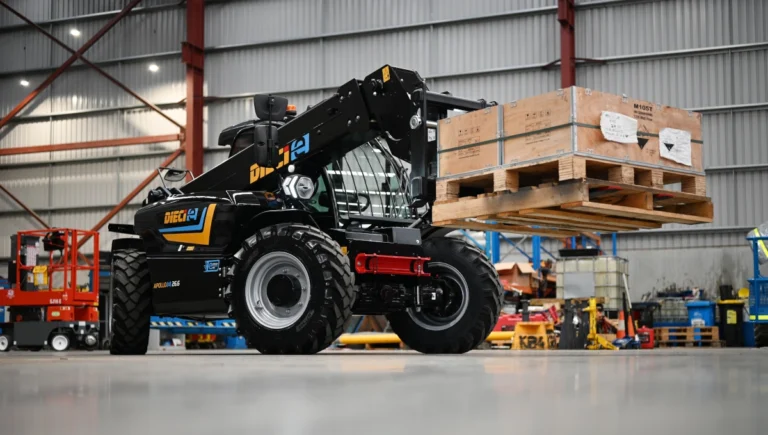
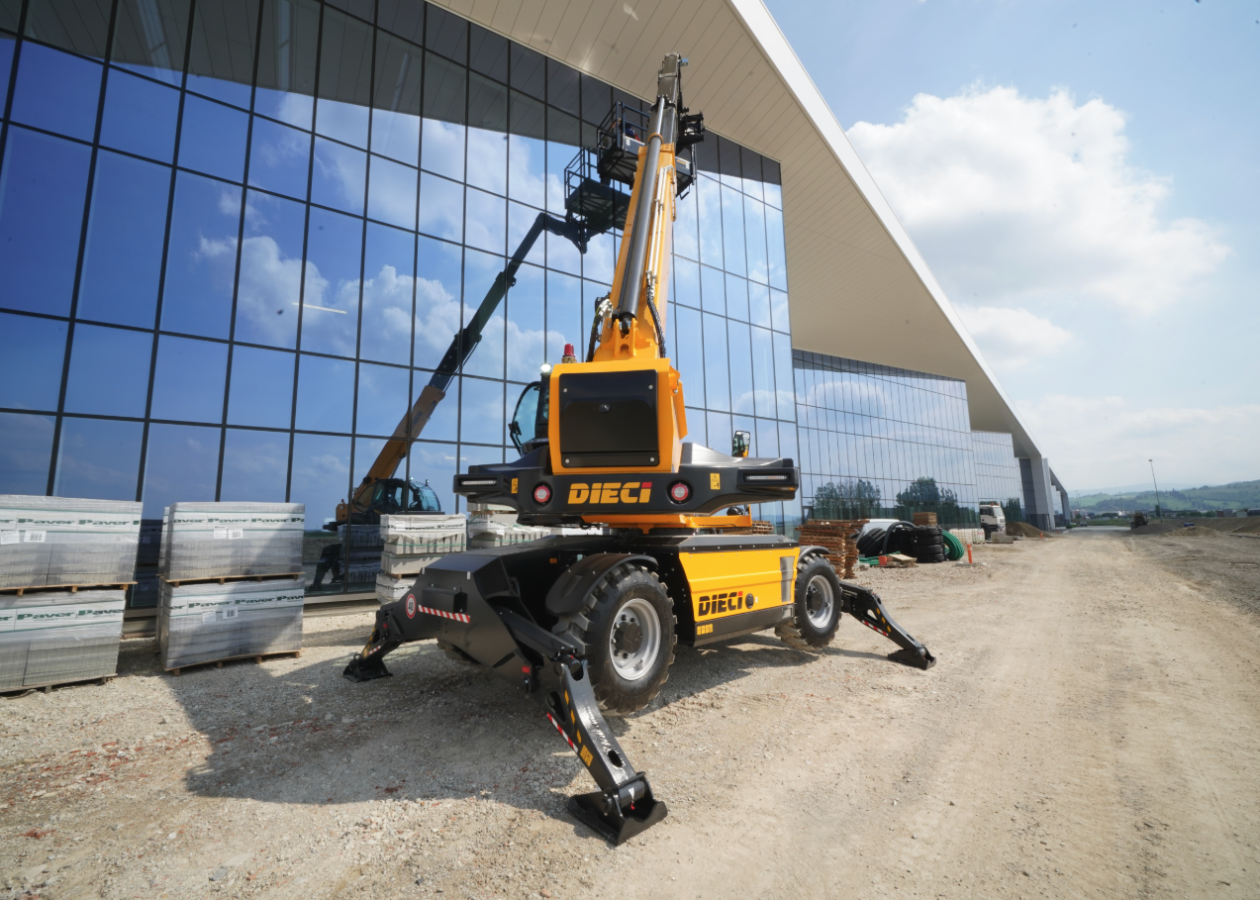
Dieci Australia provides a range of telehandlers—from compact urban models to high-capacity machines that rival cranes for mid-height lifts.
Why they’re trusted:
- High lifting capacities up to 21m with the Pegasus and Icarus series
- Joystick-controlled precision for safer handling
- Compatible with jibs, hooks, buckets, platforms
- Strong performance in rugged or remote terrain
Support available:
- Nationwide telehandler hire Australia
- Access to telehandler parts and servicing
- Expert guidance on lift planning and attachments
Final Thoughts: Choose Based on Function, Not Assumption
What would change if you picked your lifting equipment based on real job needs—not just habit?
Choosing between a crane and telehandler isn’t about which is “better”—it’s about which is best for the task, site access, load requirements, and project budget.
Need help deciding between a telehandler or crane for your next project? Speak with Dieci Australia to explore high-performance telehandlers, available for hire or purchase across the country with full technical and servicing support.