Telehandler Fleet Management: Scheduling, Downtime & Efficiency
Managing a fleet of telehandlers isn’t just about having the machines on hand—it’s about making sure they’re working when you need them most, operating at peak efficiency, and not costing you time or money through unplanned downtime.
Have you ever had a project stall because a critical piece of equipment was offline? That moment of frustration is exactly why effective telehandler fleet management is so essential.
Why Telehandler Fleet Management Matters
Whether you run a construction firm, a mining operation, or manage agricultural properties, telehandlers are often central to your daily operations. Without a smart approach to scheduling, maintenance, and utilisation tracking, your equipment can quickly go from asset to liability.
Managing a telehandler fleet well means:
- Maximising uptime
- Reducing unnecessary hires or purchases
- Improving operator productivity
- Lowering servicing costs over time
It’s not just about logistics—it’s about improving the bottom line.
“What Is Telehandler Fleet Management?”
Telehandler fleet management involves the coordination of scheduling, servicing, tracking, and deployment of telehandlers across one or more job sites. Done right, it ensures equipment is used efficiently, downtime is minimised, and costs are controlled.
Key areas include preventive maintenance, utilisation tracking, jobsite rotation, and operator training.
Scheduling Your Fleet for Peak Performance
Smart scheduling is the cornerstone of effective fleet management. That means understanding when and where each telehandler is needed—and ensuring it’s ready to go when that time comes.
1. Use a Central Scheduling System
Digital fleet platforms help project managers allocate equipment to jobsites and track usage in real-time. This prevents double-booking and ensures optimal use across multiple sites.
2. Consider Project Type and Attachment Needs
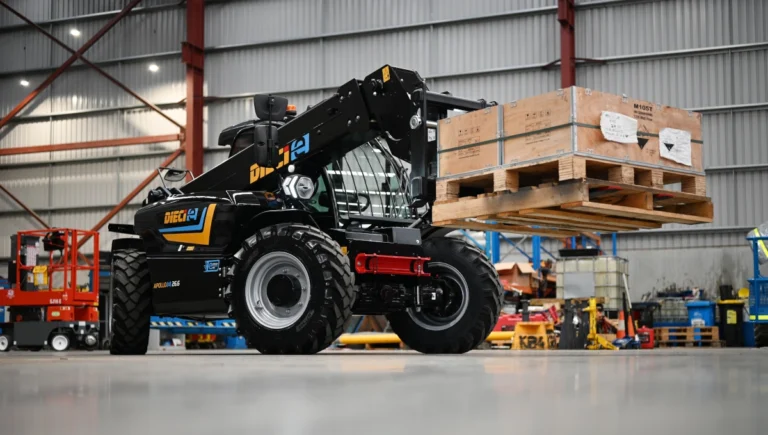
A site needing pallet forks and jibs may require a different model than one lifting bulk loads with buckets. Matching attachments to site needs in the planning stage prevents inefficient deployment.
3. Allow for Flex Days
Factor in buffer days for transport, maintenance, or unexpected delays. Keeping a small window between bookings avoids rushed jobs and costly transport errors.
4. Keep a Roster of Preferred Operators
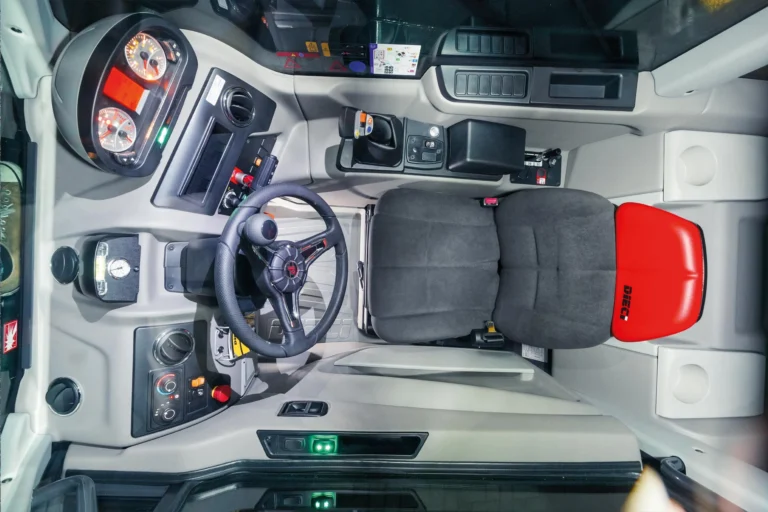
Scheduling isn’t just about the machine—it’s about who’s using it. Ensure you’re pairing the right telehandler with qualified operators who are familiar with its controls, especially joystick-controlled telehandlers.
Managing Downtime: Prevention Over Cure
Downtime is the hidden killer of productivity. One idle machine can delay entire phases of a build, cost thousands in lost time, and frustrate crews on-site.
Common Causes of Telehandler Downtime:
- Missed maintenance intervals
- Delayed access to telehandler parts and servicing
- Operator error or misuse
- Environmental wear from poor storage
Best Practices to Reduce Downtime:
- Scheduled Servicing: Create a preventive maintenance calendar synced with usage hours, not just dates.
- Real-Time Diagnostics: Use telematics to receive alerts for fault codes or performance drops.
- On-Site Inspection Checklists: Ensure daily visual checks for tires, fluid leaks, hoses, and attachment pins.
- Service Partnerships: Work with a provider like Dieci Australia, who offers national support and quick parts delivery.
Measuring Utilisation for Smarter Decisions
What if you could predict when to expand your fleet—or downsize—based on real usage? Utilisation data helps you do just that.
Key Metrics to Track:
- Hours used per week
- Idle vs active time
- Attachment swaps
- Downtime frequency
This data tells you if a telehandler is being underused (and could be hired out or sold) or overworked (and might need a backup unit).
Telehandler hire in Australia is flexible, so underused units can be swapped out with rental models during slower seasons.
Operator Impact on Fleet Health
A well-trained operator can extend the life of a telehandler by years. A poorly trained one can cause damage within days.
Training tips:
- Provide ongoing education on machine limits, safe handling, and attachment changes
- Encourage use of joystick-controlled telehandlers for better precision
- Reward operators for zero-incident operation and reporting issues early
Integrating Attachments and Maintenance
Telehandler attachments—whether it’s buckets, forks, or platforms—require their own maintenance schedules. Integrating this into your fleet plan ensures nothing gets overlooked.
- Tag each attachment in your asset tracking system
- Schedule wear inspections for forks, buckets, and hydraulic connectors
- Rotate high-use attachments to spread wear evenly
The Dieci Difference in Fleet Support
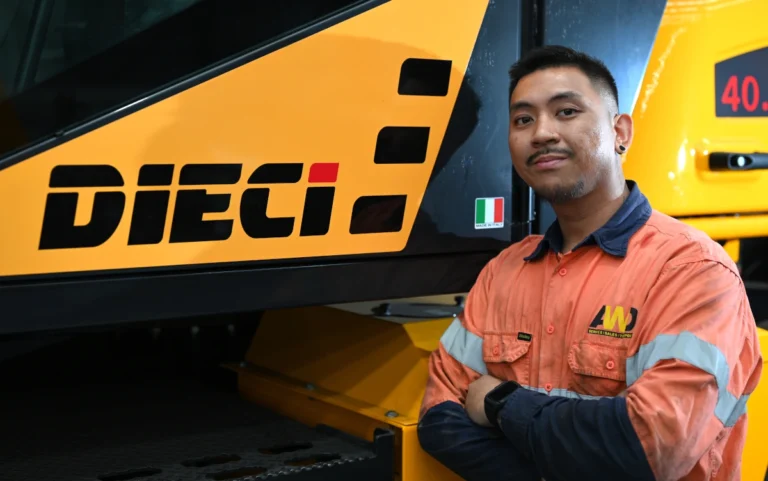
Dieci Australia isn’t just a supplier—they’re a partner in productivity. Their fleet-ready telehandlers are designed for reliability, and their support services cover:
- Rapid telehandler parts delivery across Australia
- Scheduled servicing packages
- Expert guidance on attachment management
- On-call servicing and diagnostics
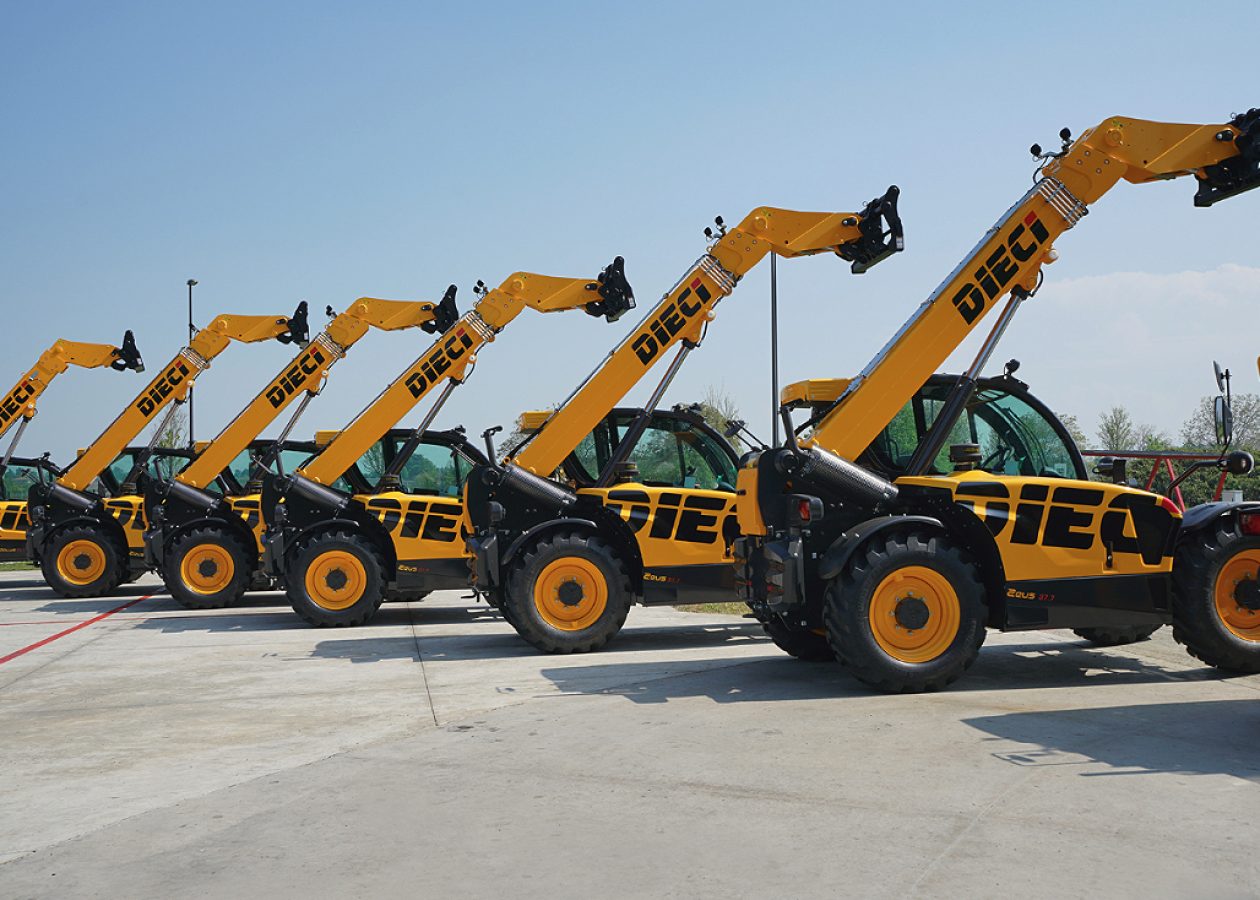
Whether your fleet includes 3 units or 30, Dieci’s national presence ensures you have the support needed to reduce downtime and maximise efficiency.
Final Thoughts: Is Your Fleet Working for You—or Against You?
Imagine if your telehandlers ran on a schedule that kept downtime near zero, attachments perfectly matched to tasks, and operators trained for peak performance.
What would that mean for your project timelines, client trust, and profitability?
That’s what smart fleet management delivers.
Need help optimising your telehandler fleet? Contact Dieci Australia for fleet planning support, parts access, and national servicing options tailored to your business.