Telehandler Technology: Telematics, Remote Monitoring & Maintenance Alerts
Telehandlers are no longer just brute-force machines—they’re becoming smarter, more connected, and far easier to manage across multiple job sites. Thanks to telematics and remote monitoring, equipment owners and operators now have real-time access to data that can reduce downtime, extend machine life, and boost productivity.
Have you ever been blindsided by unexpected equipment failure? Or struggled to track machine use across different projects? That’s exactly where telematics makes the biggest impact.
What Is Telematics and Why Does It Matter?
Telematics is the fusion of telecommunications and informatics. In simpler terms, it’s the system that allows your telehandler to “talk” to you—or your fleet manager—via real-time data transmission.
It tracks:
- Engine hours and usage
- GPS location and movement
- Fuel consumption
- Load cycles
- Diagnostic alerts
- Maintenance schedules
For large-scale projects or businesses with multiple machines across regions, telematics can be the difference between a well-oiled operation and costly chaos.
“What Does Telematics Do on a Telehandler?”
Telematics systems on telehandlers allow real-time monitoring of equipment location, usage, performance, and service needs.
They help reduce downtime, track fuel efficiency, alert operators to faults, and ensure preventive maintenance is done on time—all from a smartphone or desktop dashboard.
Benefits of Telematics in Telehandler Operations
1. Reduced Downtime and Faster Repairs
Telematics alerts operators and service teams to engine errors or performance issues as soon as they arise. Instead of waiting for a breakdown, problems can be diagnosed and repaired proactively.
Example: A sensor detects low hydraulic pressure and sends an alert—your service provider can schedule a repair before major damage occurs.
2. Smarter Maintenance Scheduling
No more guessing when it’s time to service your machine. Telematics tracks engine hours and usage patterns, triggering maintenance reminders automatically.
Keywords to support: telehandler parts and servicing, heavy lifting equipment
3. Fuel Efficiency and Cost Tracking
Monitoring fuel usage by the hour or per load cycle helps identify inefficiencies. You can train operators to work more economically—or detect issues like fuel leaks early.
4. Improved Safety
Some systems detect operator behaviours like over-speeding or abrupt braking. Alerts can be used to retrain staff or enforce safety policies.
Telehandlers with load monitoring sensors also ensure lifts remain within safe limits, especially useful in mining or infrastructure work.
5. Fleet Visibility Across Multiple Sites
For companies operating in Victoria, Queensland, or New South Wales, telematics means you can see all equipment activity from one dashboard—regardless of geography.
Key Features to Look For in a Telematics System
If you’re investing in a modern telehandler or upgrading your fleet, here’s what you want from your telematics system:
- GPS tracking with geofencing capabilities
- Real-time diagnostics and error code reporting
- Remote shut-off or lockdown options (for security)
- Operator login tracking (to monitor usage per person)
- Maintenance calendar integration
- Mobile and desktop compatibility
Some systems integrate with broader fleet management tools, allowing you to track cranes, trucks, and telehandlers in one place.
How Joystick-Controlled Telehandlers Work with Telematics
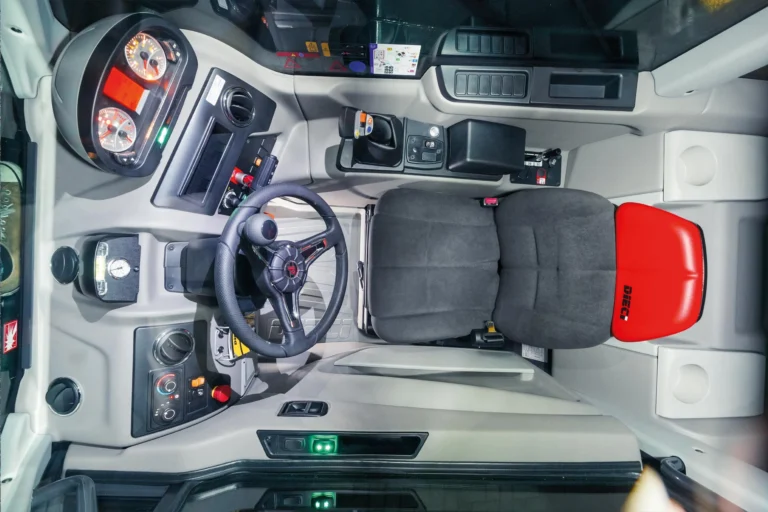
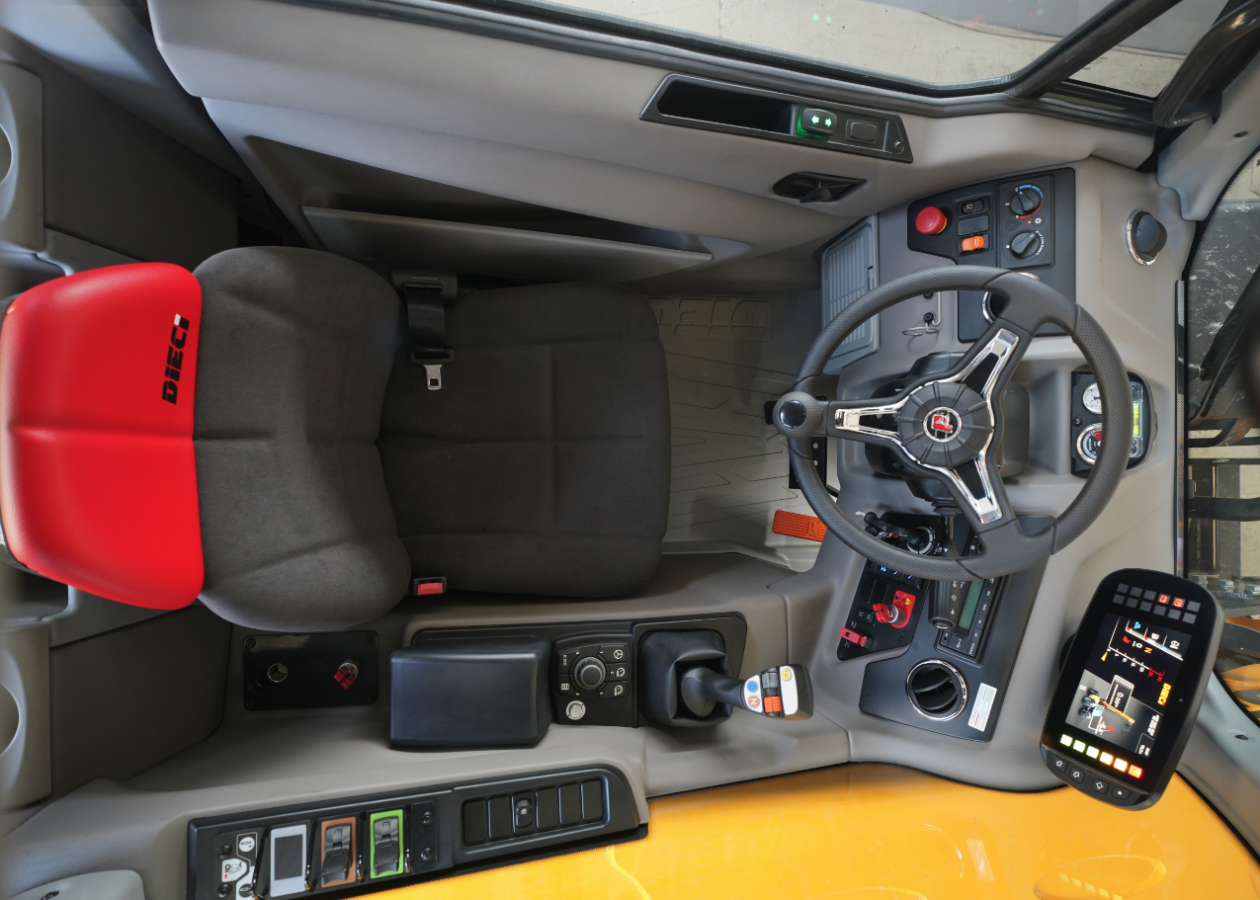
Modern joystick-controlled telehandlers offer seamless control—but they also sync well with digital systems. Controls are often linked to sensors that provide more precise usage data:
- Boom extension and retraction cycles
- Attachment use (e.g. forks, buckets, platforms)
- Terrain load adjustments
This makes your telehandler more than just a machine—it becomes a data source for smarter project decisions.
The Role of Telematics in Materials Handling Efficiency
With the rise of multi-story construction and logistics-heavy jobs, knowing how your telehandlers are used hour-by-hour is crucial.
Telematics provides answers to:
- How many loads were moved today?
- Is the machine being idled too long between cycles?
- Are attachments being swapped frequently, indicating poor site planning?
All of this helps reduce waste, improve operator efficiency, and improve materials handling workflows.
Dieci’s Approach to Smart Equipment
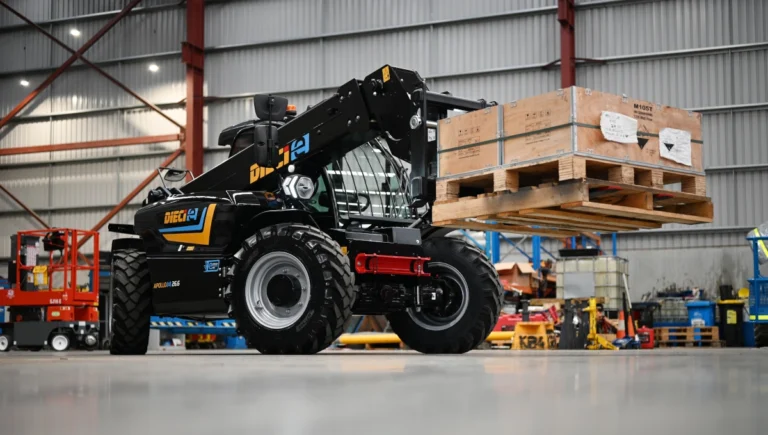
Dieci Australia’s latest telehandlers come ready for telematics integration, including GPS and diagnostic reporting. Whether you’re managing a compact unit in Melbourne or a heavy lifting telehandler on a mine site in WA, you can monitor it remotely with ease.
Dieci’s support includes:
- Assistance setting up and customising telematics platforms
- Scheduled telehandler parts and servicing across Australia
- Remote diagnostics to reduce service callouts
Final Thoughts: Don’t Just Operate—Optimise
How would it feel to know exactly what your telehandler is doing—even when you’re not on-site?
With telematics and remote monitoring, you can anticipate maintenance, track fuel use, coach better operators, and extend equipment life. It’s not just about convenience—it’s about control.
Want to explore telehandlers with advanced telematics systems? Get in touch with Dieci Australia to discover smarter equipment that helps you work safer, faster, and more efficiently across every jobsite.